Learning Center

Whether you’re looking for solutions to specific challenges or wanting to deepen your overall knowledge of secondary packaging, our Learning Center is designed to give you the resources to make confident decisions about your secondary packaging systems.
Hide/Show Filters
Filter by Category
Filter by Topic
Filter by Type

A business person going over a service agreement document

Secondary Packaging 101

Packaging Equipment Service Agreements: What to Look For

Packaging equipment service agreements are more than contracts: they’re commitments to trusted partners. We’ll outline what to look for and help you know if you’ve found a provider you can trust.

Read more »

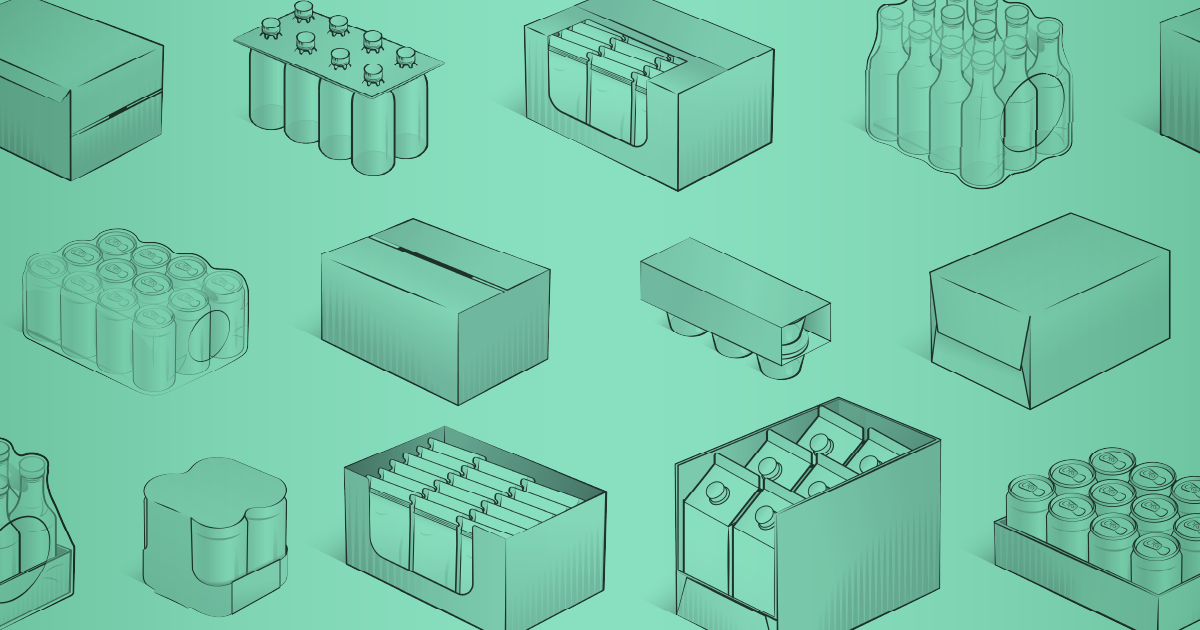
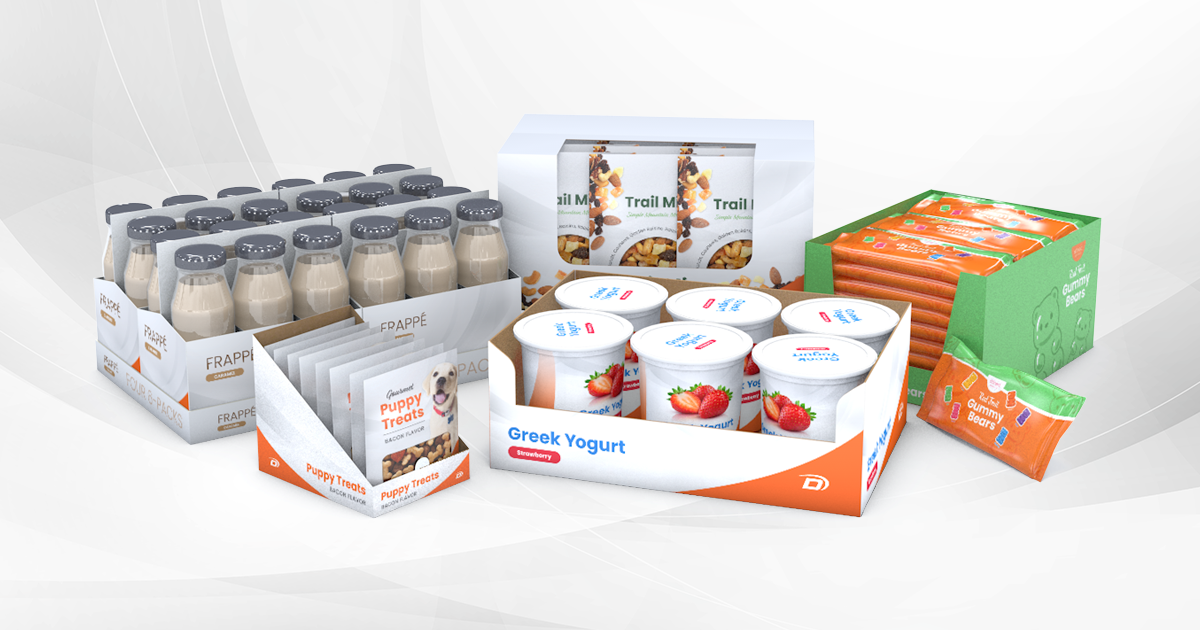
Illustration of various secondary packaging formats, including bags in display trays, shrink wrapped bottles, and beverage cans in paperboard sleeves

How-To

How to Choose the Right Secondary Packaging Format for My Product?

Before exploring automated secondary packaging options, you need to select a packaging format: case, tray, carton, shrink film, multipack or variety pack. We’ll explain these formats, as well as the four factors that make your decision.

Read more »

Beverage bottles, snack pouches, yogurt tubs, and candy bags in retail-ready packaging

Secondary Packaging 101

Retail-Ready Packaging: What It Is and What It Means for You

Retail-ready packaging (RRP) means that a single case must protect the product, and present and sell to retailers and customers. We’ll explain RRP and “The Five Easies,” and what they mean for your line.

Read more »

Puzzle pieces linking together the words filler, accumulation, case packer, sealer, and palletizer

Secondary Packaging 101

Packaging Line Integration: What Determines Success?

Packaging line integration is not only machine performance, but also handoffs and effectiveness as a single system. We’ll explain the three factors of a well-integrated line and address the question of performance accountability.
Read more »

Icons indicating the three sustainability drivers: right-sizing, material reduction, and recyclable and fiber formats

Problems / Challenges

Sustainable Secondary Packaging: Strategies to Reduce Waste and Improve Efficiency

Sustainable secondary packaging is done through three drivers: right-sizing, reducing, and choosing more recyclable materials. We’ll explain how these factors impact your line, and how sustainability tends to cut both cost and footprint.
Read more »

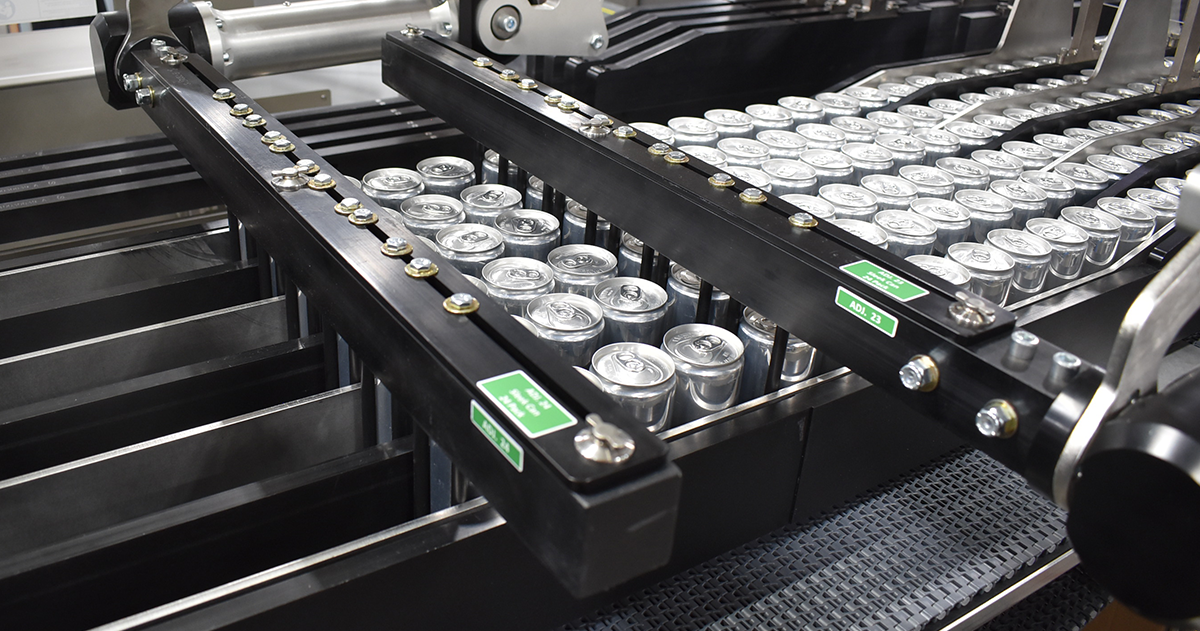
Close-up of change parts on a beverage packing machine

Secondary Packaging 101

What Are Change Parts in Packaging Equipment? A Complete Guide

The physical components swapped off-of and onto machines during changeovers are change parts. We’ll help you understand how these tools quietly drive changeover time, cost, and flexibility; as well as how machine type alters their impact.
Read more »

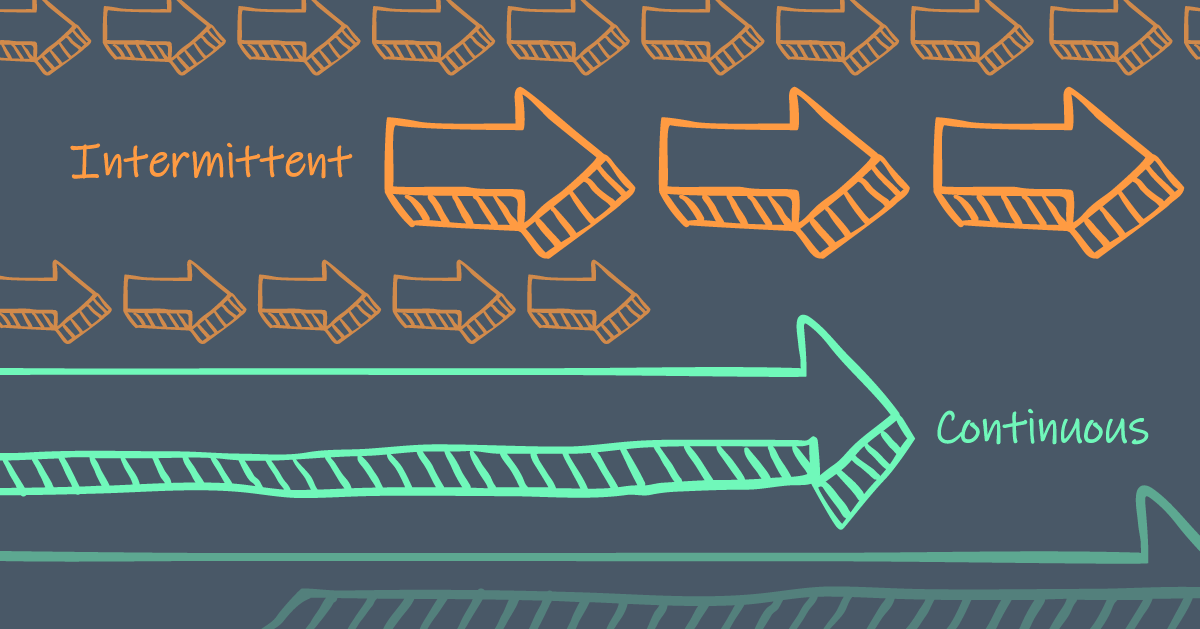
Illustration of dashed arrows indicating intermittent motion and one long arrow indicating continuous motion

Comparisons

Intermittent vs Continuous Motion Packaging Machines: What’s the Difference?

Packaging machines move either intermittently or continuously. We’ll help you understand both types of motion and how they impact things like cost, speed, product handling, and changeovers.

Read more »

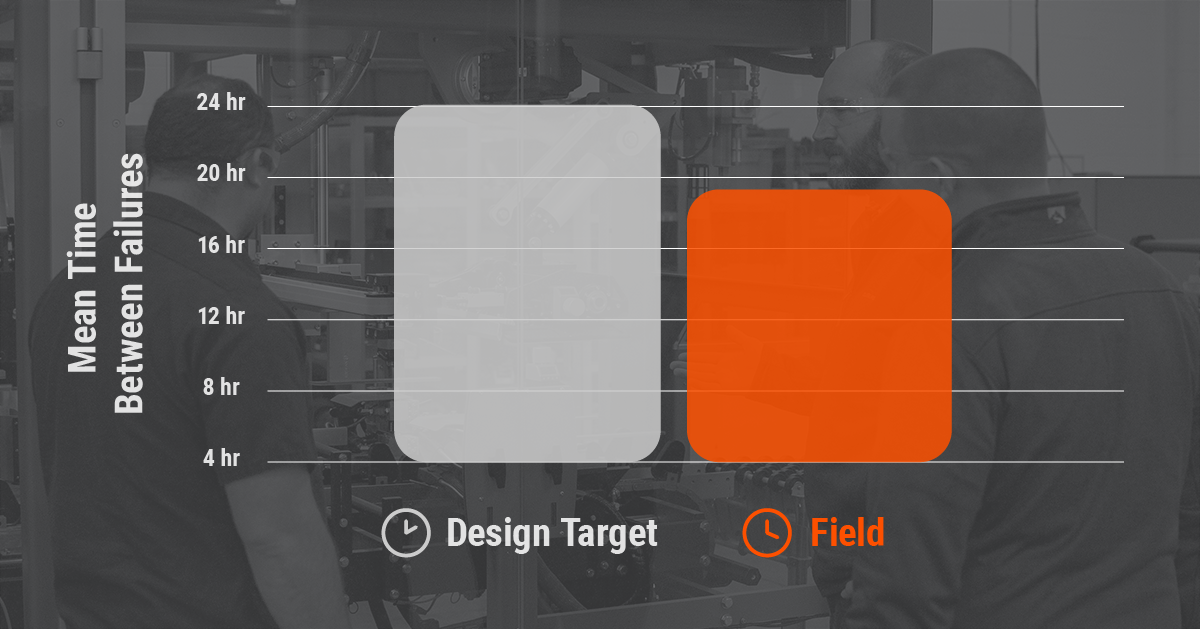
Graph showing mean time between failures with design-target mean time at 24 hours and field-tested mean time at 19 hours

Secondary Packaging 101

What is MTBF (Mean Time Between Failures)?

MTBF is a common spec sheet number, and one that many buyers don’t understand. We’ll outline what MTBF is, how to calculate it, and what it means for your line.

Read more »

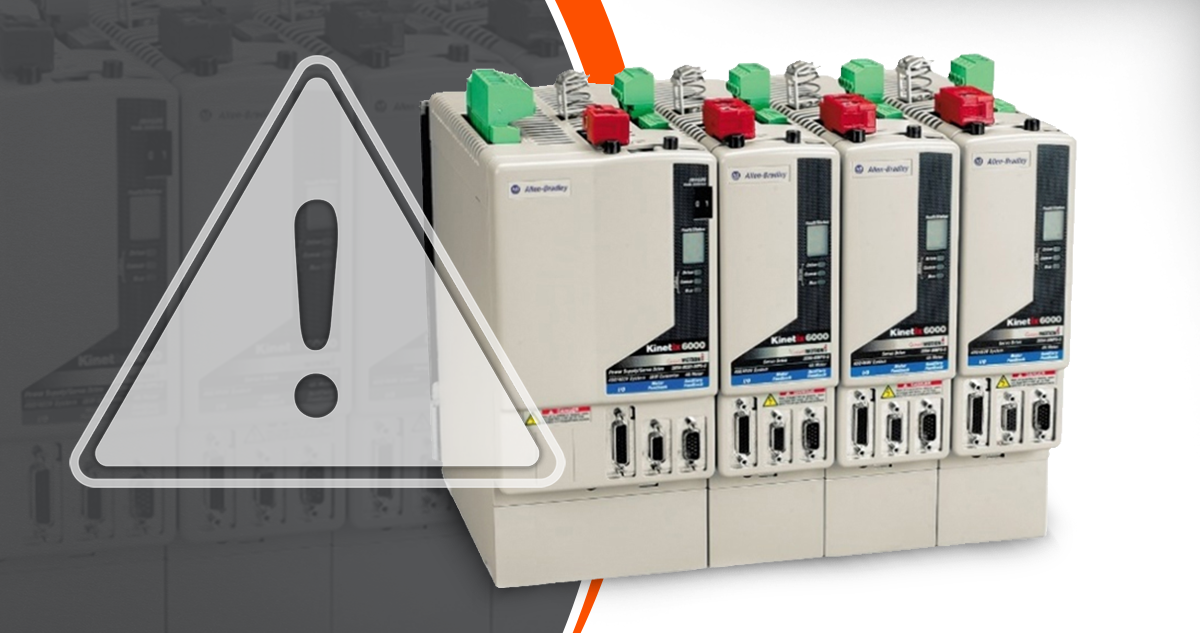
Kinetix 6000 drive

How-To

How to Read and Respond to Common K6000 Faults

Kinetix 6000 (K6000) fault codes can often be remedied with the right know-how. We’ll help you understand how to read power-ups, status lights, and fault codes, to get to the root cause of drive issues.

Read more »

« »
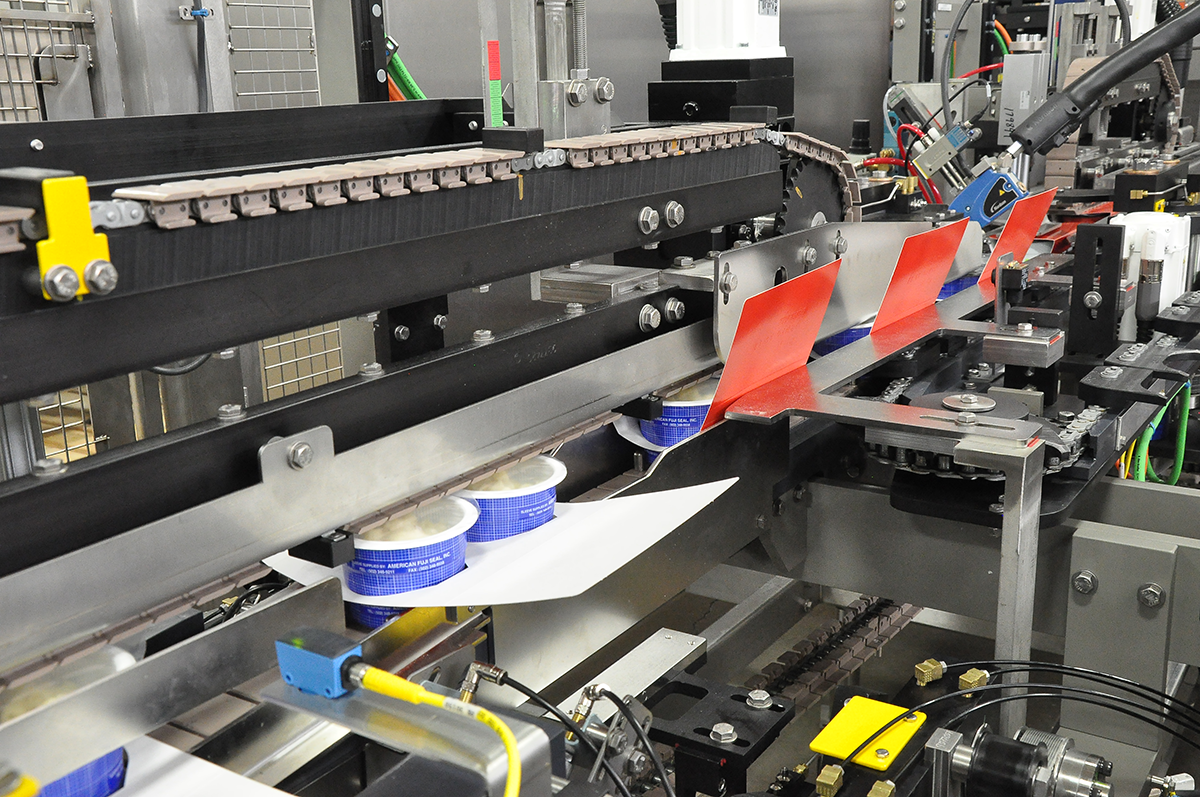
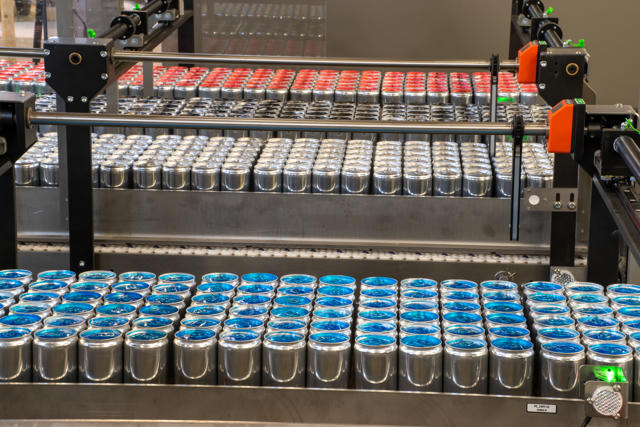
Overwrapper equipment packaging food cups in a drop-through paperboard sleeve

Cost & Price

How Much Does an Overwrapper Cost? Budgetary Ranges and Cost Drivers

Paperboard overwrappers are usually pretty custom pieces of equipment, and they can range from $350k to $2M, depending on how elaborate the system. We’ll highlight budgetary estimates and walk you through what drives prices up.
Read more »

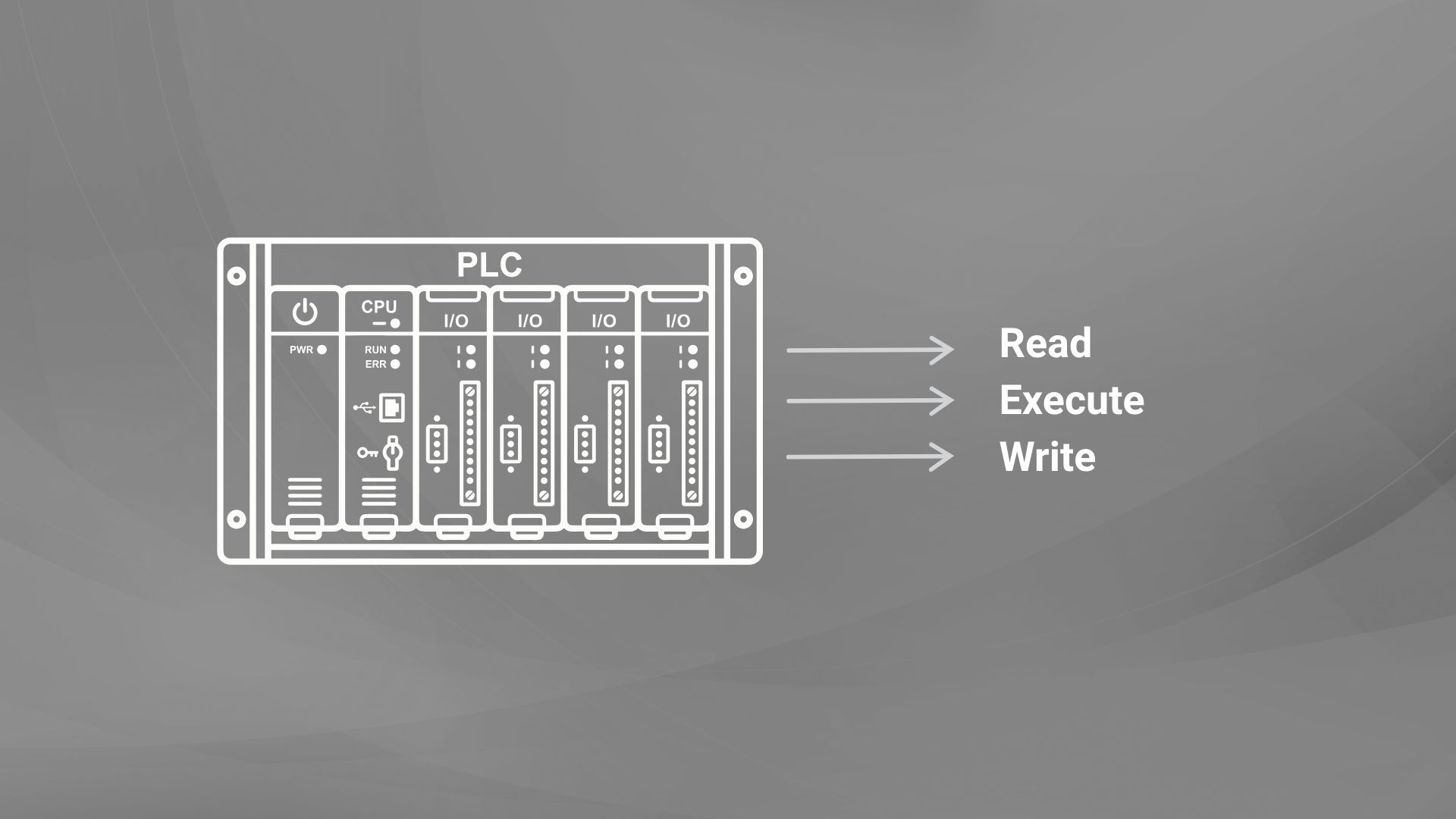
PLC (Programmable Logic Controller)

Secondary Packaging 101

What is a PLC? Understanding the Logic Controller Behind Your Packaging System

Programmable logic controllers (PLCs) are key players in almost all packaging equipment. Learn what they are, how they work, and how they affect your packaging line.

Read more »

Variety of Flavors of Beverages on a Variety Pack conveyor line

Cost & Price

How Much Does a Variety Pack System Cost?

Budgeting for a variety pack system is much harder than you might assume. We’ll walk you through what makes it tricky, how it’s priced, which factors to decide, and what to do next.

Read more »

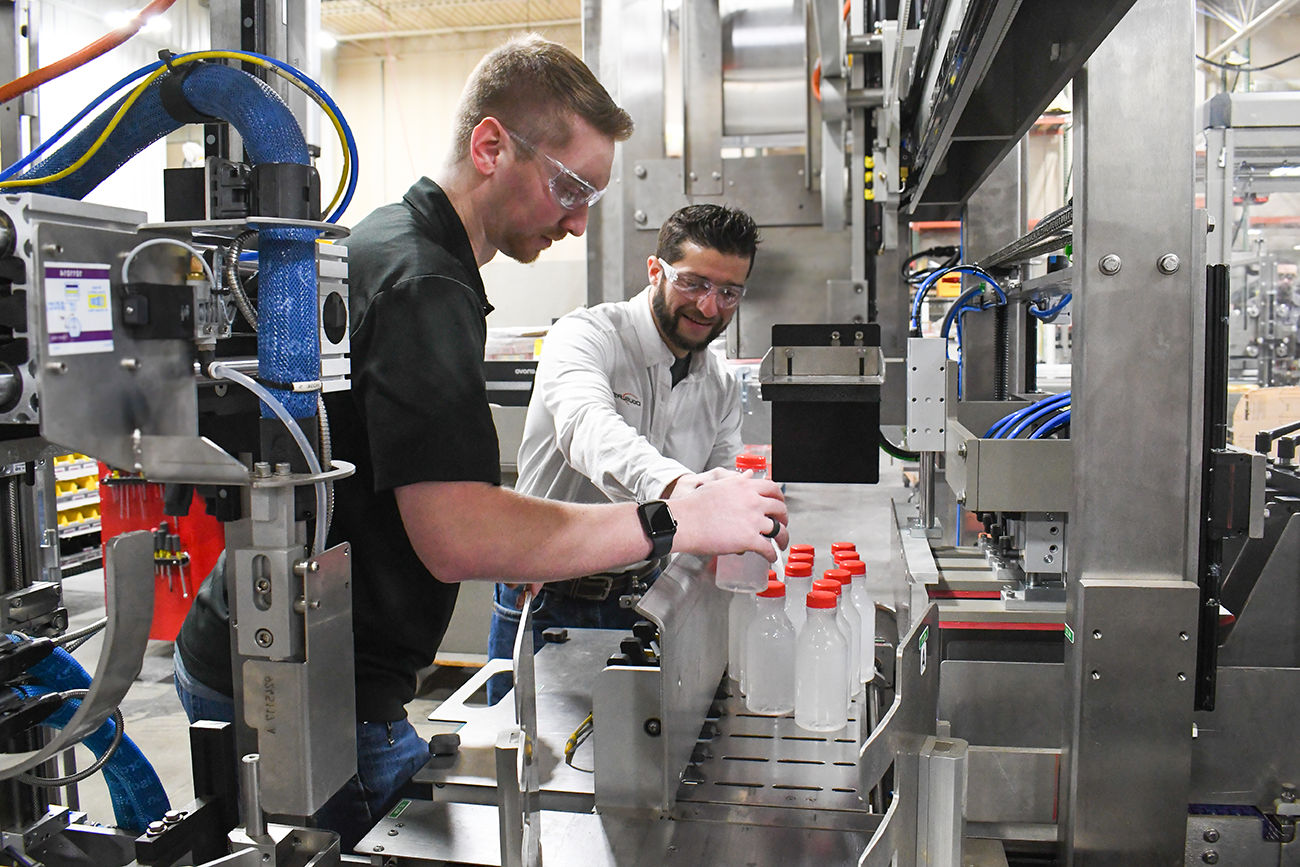
two operators lining up plastic bottles to test run in a machine

Secondary Packaging 101

What Does Douglas Make? An All-in-One Look at Our Secondary Packaging Line-up

We’re known for case packing and shrink wrapping – we do both, but that’s only a quarter of our line. Take a look at what we design and build, our markets, our sister company, and what we don’t make.
Read more »

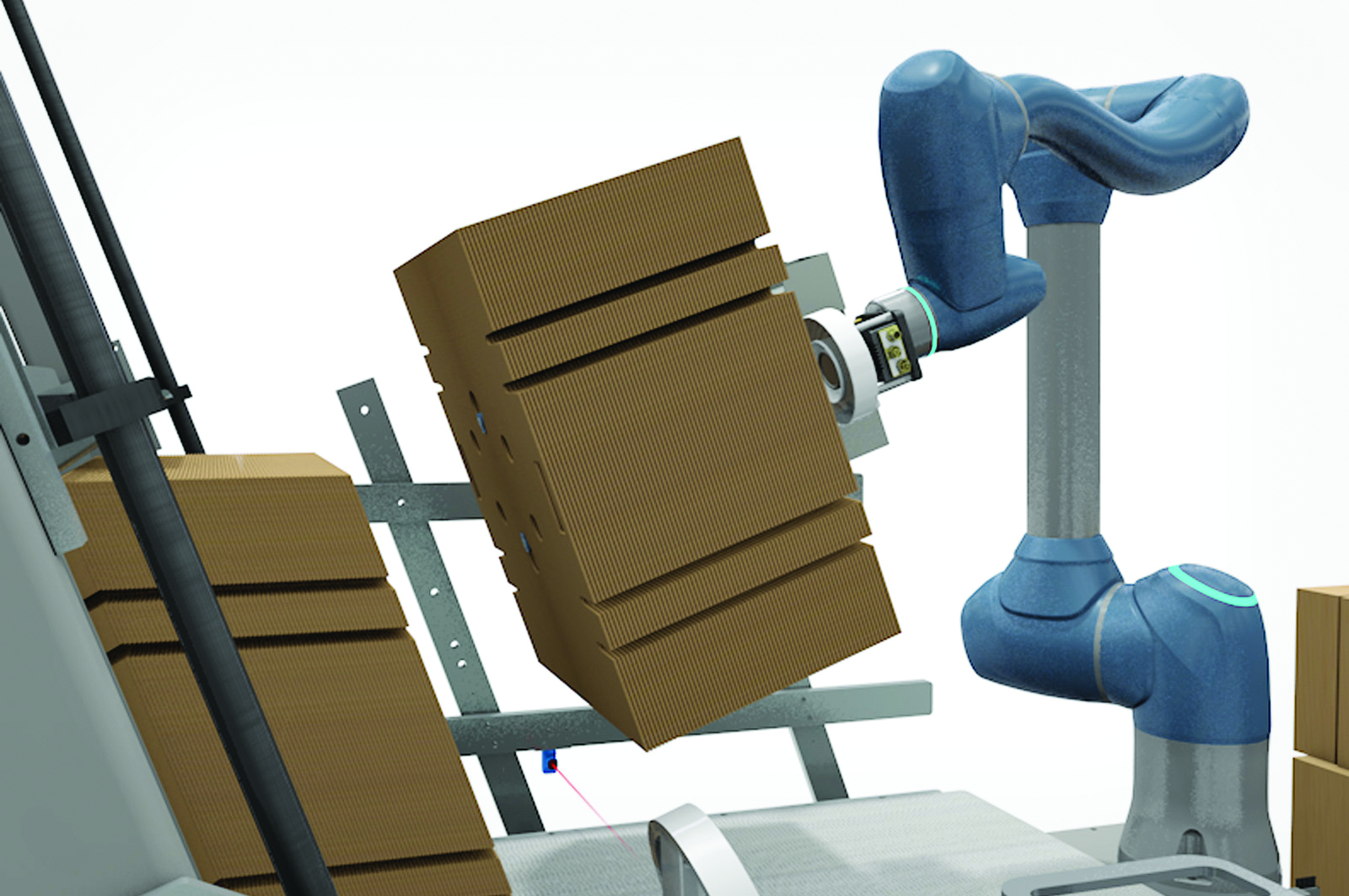
LoadX robotic arm holding a stack of collapsed cases and moving them to magazine

Secondary Packaging 101

What Should I Look for in a Robotic Magazine Loader?

Learn what features define the work of good vs. bad robotic magazine loaders, how to find them, and the vendor that will deliver them – for the long-term development of your line. 

Read more »

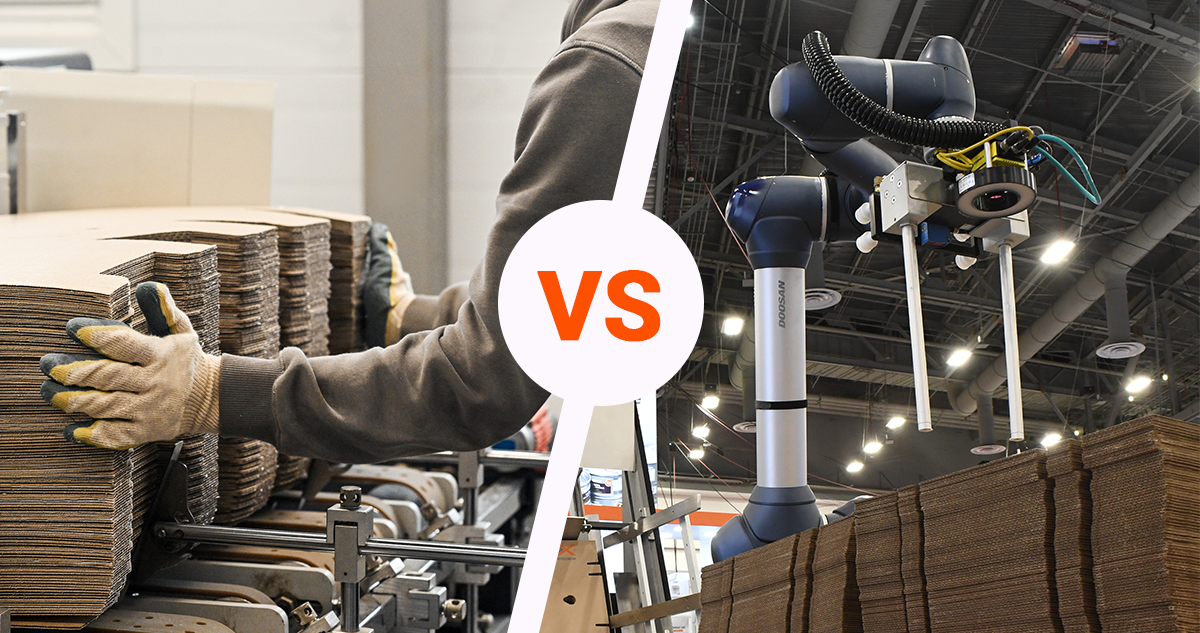
A side-by-side visual of hands loading corrugate into a magazine versus a robot near a corrugate stack

Comparisons

Manual vs. Robotic Magazine Loading: Which is Better?

Understand the difference between manual and robotic magazine loading, their strengths and weaknesses, and what operations they’re suited for. We’ll also help you align your expectations with market realities.

Read more »

»