Introduction
At a Glance
What are change parts? They are the components swapped onto the machine to fit different SKUs. And they take time and money throughout the life of the machine through:
- Part and part-set costs
- Storage and management
- Swapping, adjusting, and verification downtime
The way your machine handles change parts – hard-tooled or toolless – can have great impacts on the speed and complexity of your changeovers. The right balance between cost and capability is largely dependent on your SKU-mix and changeover frequency.
“Changeover time” gets a lot of buzz, and in some cases, it’s rightfully so. But changeovers don’t happen by themselves. This article is dedicated to one of the main factors of changeover: change parts. They are the pieces that get swapped onto the machine to meet the specifics of a unique SKU.
For however many SKUs your line has, the machine needs to be able to handle their different sizes, counts, or formats. Change parts and adjustment points make this possible. Once you understand the place of change parts, you gain the know-how to begin working toward changeover improvements – so your line can increase throughput and meet more orders.
In this article, we’ll cover:
- What change parts actually are
- How they become costly and time-consuming
- Hard-tooled vs toolless machine frameworks
- When the price for toolless changeover is worth it (and when it isn’t)
What Are Change Parts?
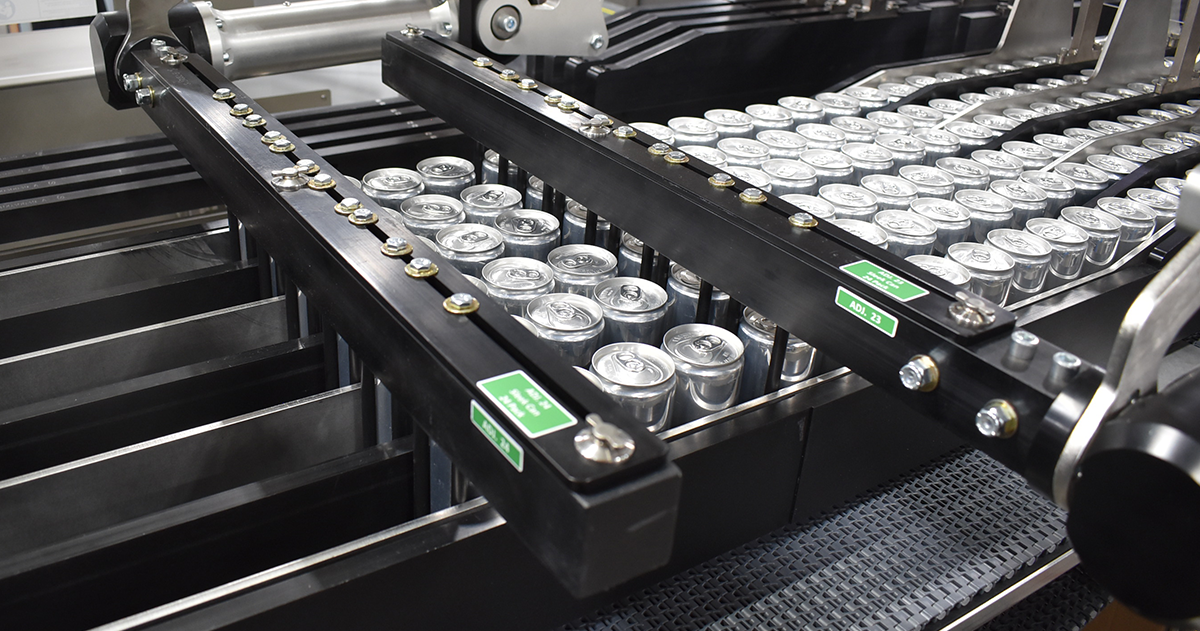
Change parts are the components swapped onto a machine so that it can meet the needs of a different SKU. Each machine has its own needs for change parts – product buckets, lane guides, star wheels, change formers, mandrels, fences, fixtures – or nothing at all! It just depends on the machine.
While change parts are a part of the changeover process, they are not the whole event. Take landscaping, for example – plants are brought in from the store so that they can transform the yard by being designed and planted in. However, there are still steps within landscaping like mowing the lawn, pulling weeds, and spreading mulch that are necessary to the completed picture.
Likewise, change parts are brought in and swapped onto the machine so that it’s ready for the next SKU. But you will still need to make additional adjustments, load new cases, etc. before the whole changeover picture is complete.
Why Are Change Parts Costly and Time-Consuming?
Change parts gain a reputation for adding cost, complexity, and time to the changeover process. Why? Because of these key factors:
- The Parts Themselves
Each format (or geometry) may need its own size-specific set of parts. A new set of change parts for some lower cost machines runs around $10,000. And that number only increases with more complex machines and with a greater number of SKUs. - Storage and Management
Every set of parts has to be stored, tracked, and maintained. Lost, worn, or mixed-up change parts lead to additional downtime. As an operator scrambles to find lost parts, the count of orders that could have been processed goes up. - The Swap Itself
Swapping the parts onto the machine takes time – the more parts, the more time. And change parts are only one aspect of changeover downtime. Beyond part removal and installation, there is additional machine adjustment and time until the first good product is verified. - Operator Skill
Manual change-part swaps and fine adjustments require operator experience. Complex swaps done with untrained hands are often time-consuming and error prone.
These factors surface during every changeover. If a line changes over many times in one shift, the costs will end up dominating the whole changeover conversation. In order to limit cost – in time and money – examine your change parts first.
How Does Machine Type Impact Change Parts?
Something we haven’t mentioned so far is machine type. Machine type drastically alters how change parts impact changeover complexity. There are two main frameworks:
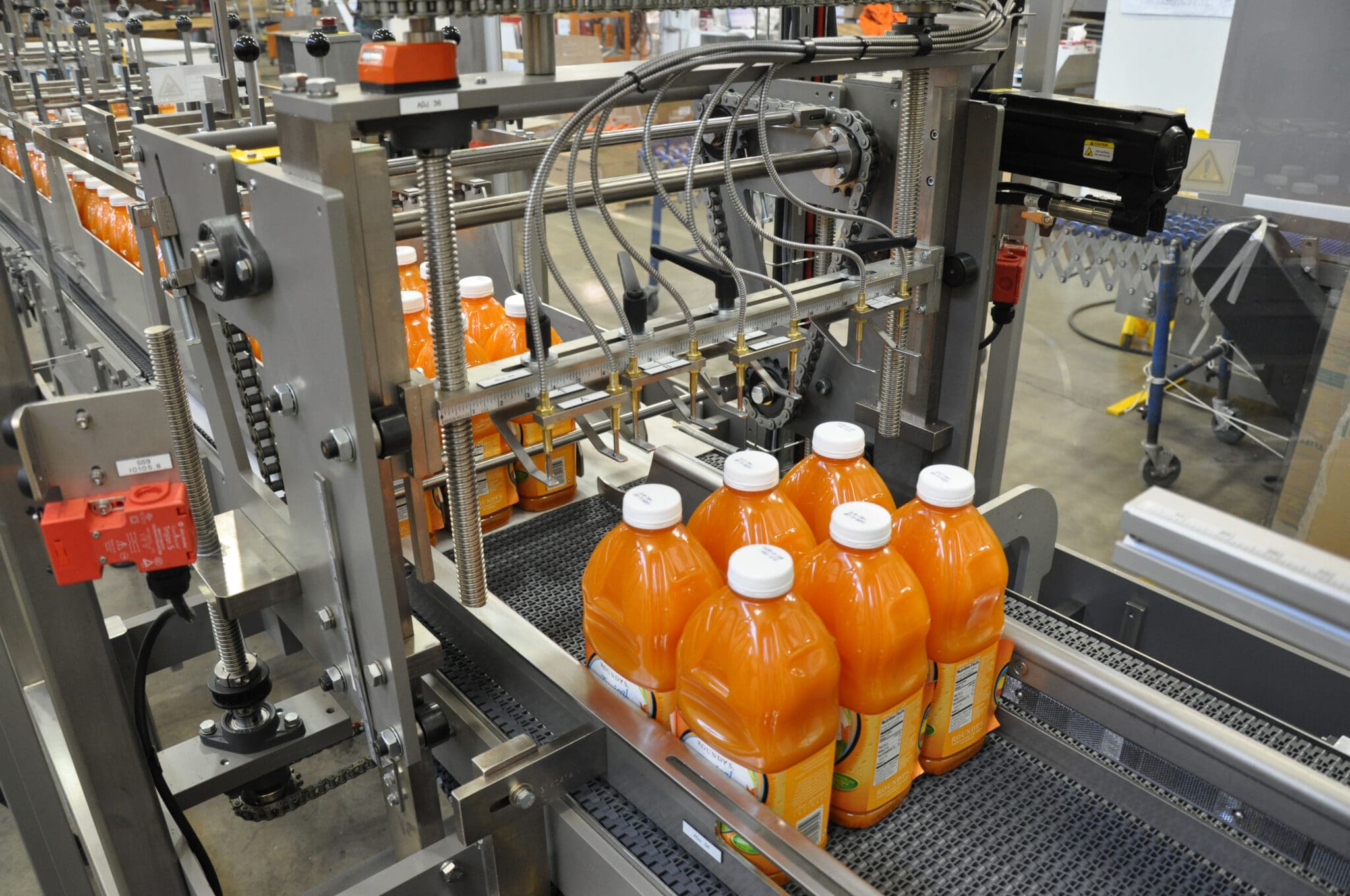
- Hard-Tooled – These machines use fixed, manually-swapped tooling, which require hand tools to remove and replace change parts. They cost less upfront and suit lines that carry out few changeovers, because every changeover becomes a time-consuming, swap-and-adjust process.
- Tool-less – These machines are recipe-driven and built to change format fast and repeatably. This is done through a variety of factors like:
- Saved recipes
- Quick-release tooling
- Fewer loose parts
- Servo-driven adjustments
Because of these factors, tool-less machines don’t use separate hand tools in the change parts process. Instead, any tools needed are built onto or along with the machine. They have a greater upfront cost, but reduce some of the later costs like storage, downtime, and skill requirement.
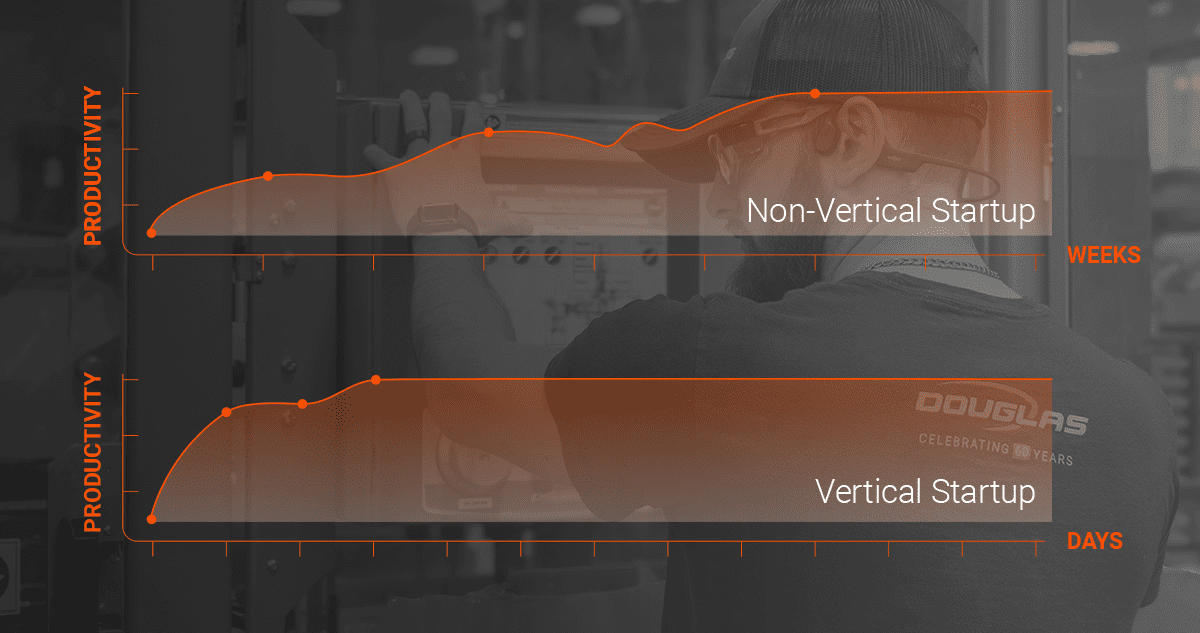
For high-mix lines, there’s a trend toward tool-less machines because they turn a difficult, manual task into a repeatable one. Machine availability increases – and with it, Overall Equipment Effectiveness (OEE) – but worth is dependent on how often changeovers occur.
Do I Need Tool-less or Hard-Tooled?
The benefits of tool-less changeover are not a secret. Given its high performance, a lot of vendors may specify tool-less for lines that don’t need it. If you only run one SKU, or a very small set that changes rarely, tool-less may be excess that’s not worth the penny.
A hard-tooled machine is certainly more appealing from purchase price. The occasional slow changeover will end up being less costly than the tool-less machine’s upfront difference. Of course, this only remains true if your changeovers are simple and infrequent.
The real test is your changeover frequency. Low frequency? Hard-tooled wins. High frequency? Tool-less pays for itself.
Go Beyond Changeover: Look at the Change Parts
If changeover is a factor for your line, don’t stop at changeover time on the quote. Look at the change parts behind it. Ask:
- How many sets does each format need?
- What does a set cost?
- How are change parts stored and managed?
- How much of the swap is manual vs. recipe-driven?
- How does it map with my actual SKU count and changeover frequency?
The answers to these questions will tell you the real cost of change parts. And they’ll highlight whether you’re truly buying the right amount of changeover speed for your line.
Curious to learn more about changeover? Take a look at our other articles. They cover changeover basics, cost, time, and how to drive changeover results:
Interested in Tool-less Changeovers?
Schedule a discovery call. Douglas specialists can walk you through equipment solutions designed for fast, simple changeovers and minimal downtime.