Learning Center

Whether you’re looking for solutions to specific challenges or wanting to deepen your overall knowledge of secondary packaging, our Learning Center is designed to give you the resources to make confident decisions about your secondary packaging systems.
Filter by Category
Filter by Topic
Filter by Type
Packaging Machine with Damaged Boxes

Problems / Challenges, Secondary Packaging 101

What Causes Packaging Machine Jams? And Which Ones Are Avoidable?

See a practical breakdown of the most common jam causes and understand the best ways to approach them.

Read more »

Cartons of tea in packaging machine

Secondary Packaging 101

What is Machine Index and How Does It Relate to Pitch?

Understand machine index and pitch so you can read specs more accurately and ask better questions during the evaluation process.

Read more »

Top Load vs. Horizontal Load Case Packing

Comparisons, Secondary Packaging 101

Top Load vs. Horizontal Load Case Packing: Which Should I Use?

Understand the differences between top load and horizontal load and which configuration is best suited for your operation.

Read more »

Servo on a machine

Secondary Packaging 101

What Does Servo-Driven Mean and Why Do OEMs Use Them?

Learn the definition of a servo-driven machine and understand the pros and cons of using one in your operation.

Read more »

Machine adjustment point with indicator displaying numbers

Secondary Packaging 101

What Is a Changeover? And What Makes One Fast or Slow?

Learn what impacts changeover speed and why “changeover time” makes a difference to your line’s efficiency and productivity.

Read more »

Plastic bottles on conveyor at fast speed

Secondary Packaging 101

What Does ‘Line Speed’ Actually Mean? And Why Is It So Often Misquoted?

Understand important speed metrics and learn which questions will tell you the most about machine performance and productivity.

Read more »

Worker wearing hardhat and holding clipboard observing machine conveyor lines

Secondary Packaging 101

What Is a Factory Acceptance Test (FAT) and Why Does It Matter?

Understand what a good FAT looks like so you can help protect your investment.

Read more »

Pouches on conveyor

Secondary Packaging 101

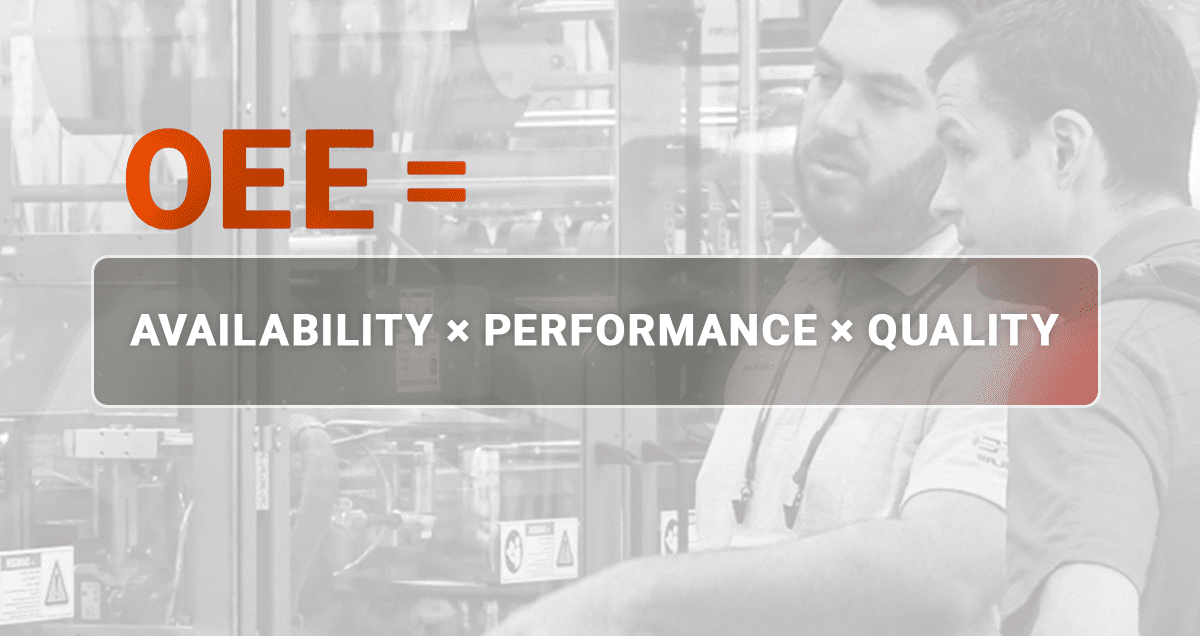
What Is ‘Machine Efficiency’ and How Is It Calculated?

Learn the details of this commonly misunderstood metric so you can set realistic efficiency benchmarks for your application.

Read more »

Secondary Packaging 101

What is ‘Sanitary Design’ in Packaging Equipment — and Does It Matter for Your Application?

Learn the principles of sanitary packaging design and whether your application requires sanitary equipment.

Read more »

« »

How-To, Secondary Packaging 101

A Buyer’s Guide to Automating Frozen Pizza Packaging Lines

Walk through the most important factors to consider when automating frozen pizza packaging—so you can make a confident, future-proof decision.

Read more »

How-To, Secondary Packaging 101

How to Automate Variety Pack Production Without Overbuilding or Overpaying

Learn which type of automation is right for your production scale, space, and SKU needs—whether you’re packing beverages or assembling snack assortments.

Read more »

People talking in front of top load case packer

Cost & Price

How Much Does a Top Load Case Packer Cost? Budgetary Pricing & Key Factors That Impact Price

Learn the budgetary price ranges you can expect, along with the specific factors that drive those prices.

Read more »

Douglas Service Technician working on machine

Problems / Challenges

How Quickly Can I Get a Service Technician to My Site?

Get realistic timelines for emergency and planned service, plus practical steps that can reduce delays by days.

Read more »

Comparisons

Managing Replacement Parts for OEM Equipment: Choosing the Right Partner Model

Break down the real-world pros, cons, and risks of sourcing parts from OEMs, distributors, or directly from component manufacturers.

Read more »

Comparisons

U.S.-Made vs. Imported OEM Packaging Equipment: Which Is Actually Better in the Long Run?

Get a side-by-side breakdown of what makes one operation more cost-effective than the other—in terms that refelct the realities of manufacturing operations.

Read more »

« »