Learning Center

Whether you’re looking for solutions to specific challenges or wanting to deepen your overall knowledge of secondary packaging, our Learning Center is designed to give you the resources to make confident decisions about your secondary packaging systems.
Hide/Show Filters
Filter by Category
Filter by Topic
Filter by Type
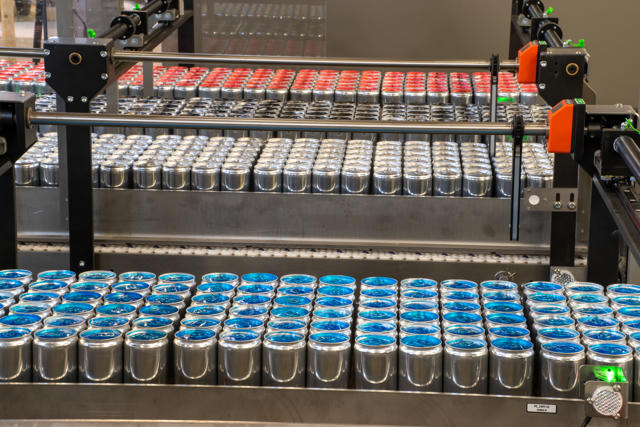
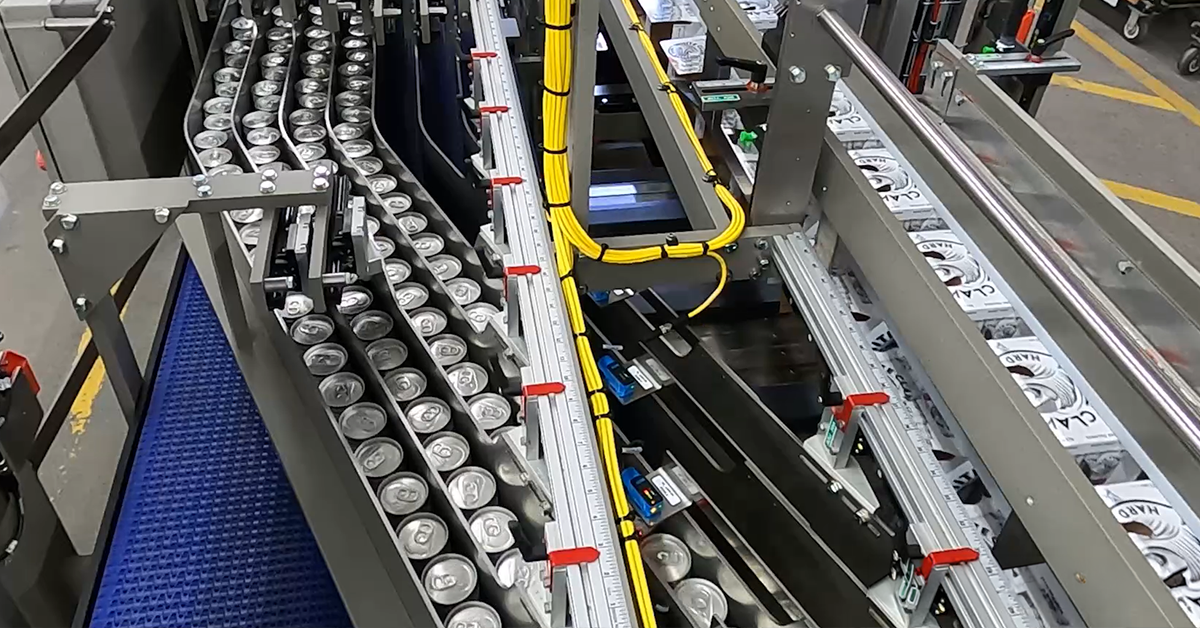
Beverage cans and paperboard cartons running through lanes on a multipacker machine

Cost & Price

Beverage Multipacker Cost: Pricing, Specifications, and Buying Considerations

Beverage multipackers have their own unique set of budgetary conditions. Learn how to scope pricing tiers, account for your SKUs, and prepare for vendor conversations.

Read more »

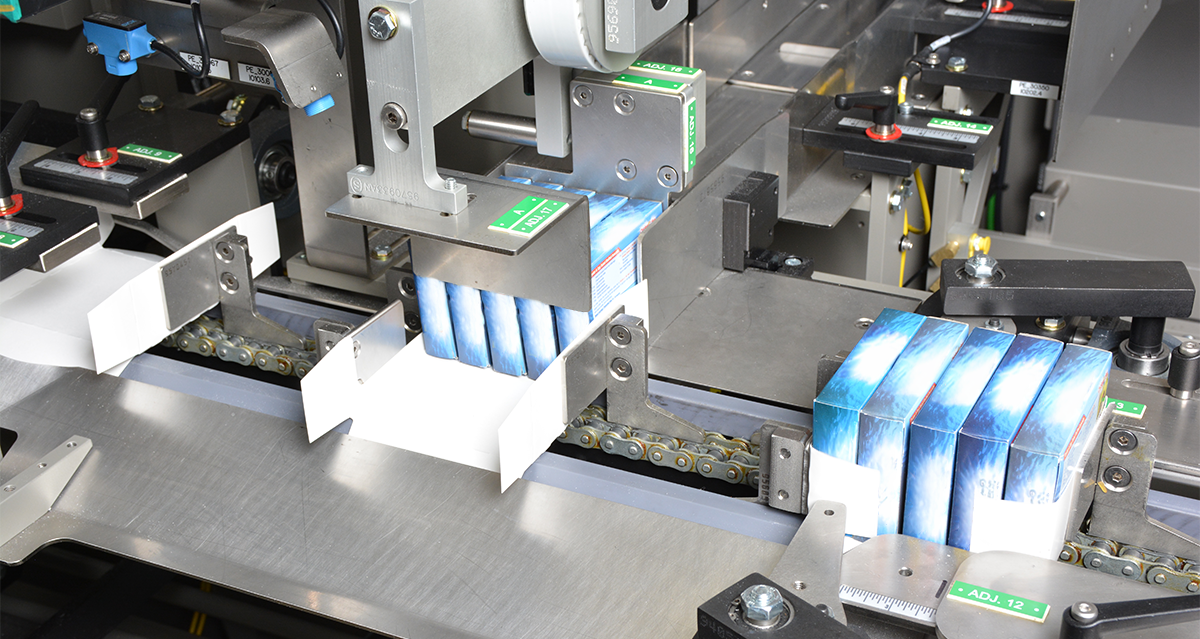
Boxed food products packed into cartons with automated equipment

Cost & Price

How Much Does a Cartoner Cost?

Cartoner price is based on many factors including type, product, and customization. Learn about the main cost tiers of cartoners, as well as what affects their price and lead-time.

Read more »

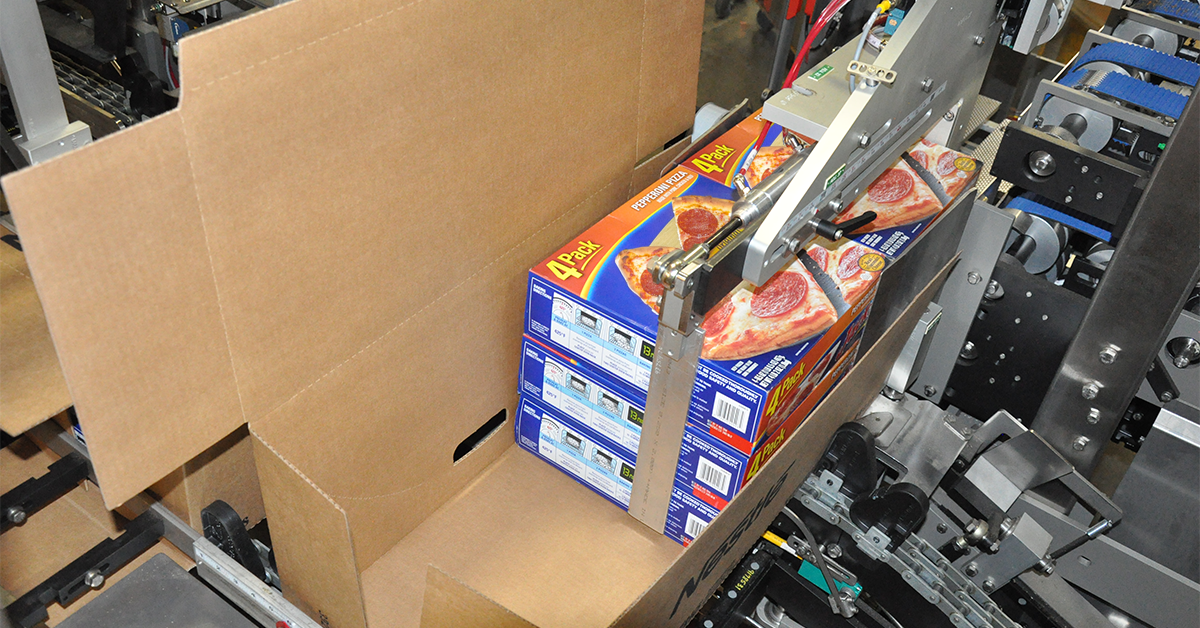
Side load case packer packing cartons of pizza into corrugate case

Cost & Price

How Much Does a Side Load Case Packer Cost?

Budgeting for a side load case packer all depends on what you want and how much you’re willing to pay for it. Learn about pricing tiers, cost drivers, add-ons, and value-adders, so you can take control of your buying process.

Read more »

A business person going over a service agreement document

Secondary Packaging 101

Packaging Equipment Service Agreements: What to Look For

Packaging equipment service agreements are more than contracts: they’re commitments to trusted partners. We’ll outline what to look for and help you know if you’ve found a provider you can trust.

Read more »

Illustration of various secondary packaging formats, including bags in display trays, shrink wrapped bottles, and beverage cans in paperboard sleeves

How-To

How to Choose the Right Secondary Packaging Format for My Product?

Before exploring automated secondary packaging options, you need to select a packaging format: case, tray, carton, shrink film, multipack or variety pack. We’ll explain these formats, as well as the four factors that make your decision.

Read more »

Beverage bottles, snack pouches, yogurt tubs, and candy bags in retail-ready packaging

Secondary Packaging 101

Retail-Ready Packaging: What It Is and What It Means for You

Retail-ready packaging (RRP) means that a single case must protect the product, and present and sell to retailers and customers. We’ll explain RRP and “The Five Easies,” and what they mean for your line.

Read more »

Puzzle pieces linking together the words filler, accumulation, case packer, sealer, and palletizer

Secondary Packaging 101

Packaging Line Integration: What Determines Success?

Packaging line integration is not only machine performance, but also handoffs and effectiveness as a single system. We’ll explain the three factors of a well-integrated line and address the question of performance accountability.

Read more »

Icons indicating the three sustainability drivers: right-sizing, material reduction, and recyclable and fiber formats

Problems / Challenges

Sustainable Secondary Packaging: Strategies to Reduce Waste and Improve Efficiency

Sustainable secondary packaging is done through three drivers: right-sizing, reducing, and choosing more recyclable materials. We’ll explain how these factors impact your line, and how sustainability tends to cut both cost and footprint.

Read more »

Close-up of change parts on a beverage packing machine

Secondary Packaging 101

What Are Change Parts in Packaging Equipment? A Complete Guide

The physical components swapped off-of and onto machines during changeovers are change parts. We’ll help you understand how these tools quietly drive changeover time, cost, and flexibility; as well as how machine type alters their impact.

Read more »

»
Spray bottles upright on conveyor and spray bottles upright inside case

Secondary Packaging 101

What Is Product Orientation in Secondary Packaging and Why Does It Matter?

Understand what product orientation is, how it impacts your equipment, and what decisions need to be considered when choosing your packaging equipment.

Read more »

Bags of croutons on conveyor, arrow pointing down conveyor labeled DOT and arrow pointing across conveyor labeled AM

Secondary Packaging 101

What Is DOT and AM (Direction of Travel and Across Machine) and Why Do They Matter?

Learn the definitions of DOT and AM, how they affect your product and equipment, and what questions to ask before you spec a new machine.

Read more »

Cartons Being Loaded Into a Case

Secondary Packaging 101

What Is an SAT in Packaging Equipment?

Learn how Site Acceptance Testing differs from FAT, what SAT is meant to verify onsite, and why real production conditions can change the outcome.

Read more »

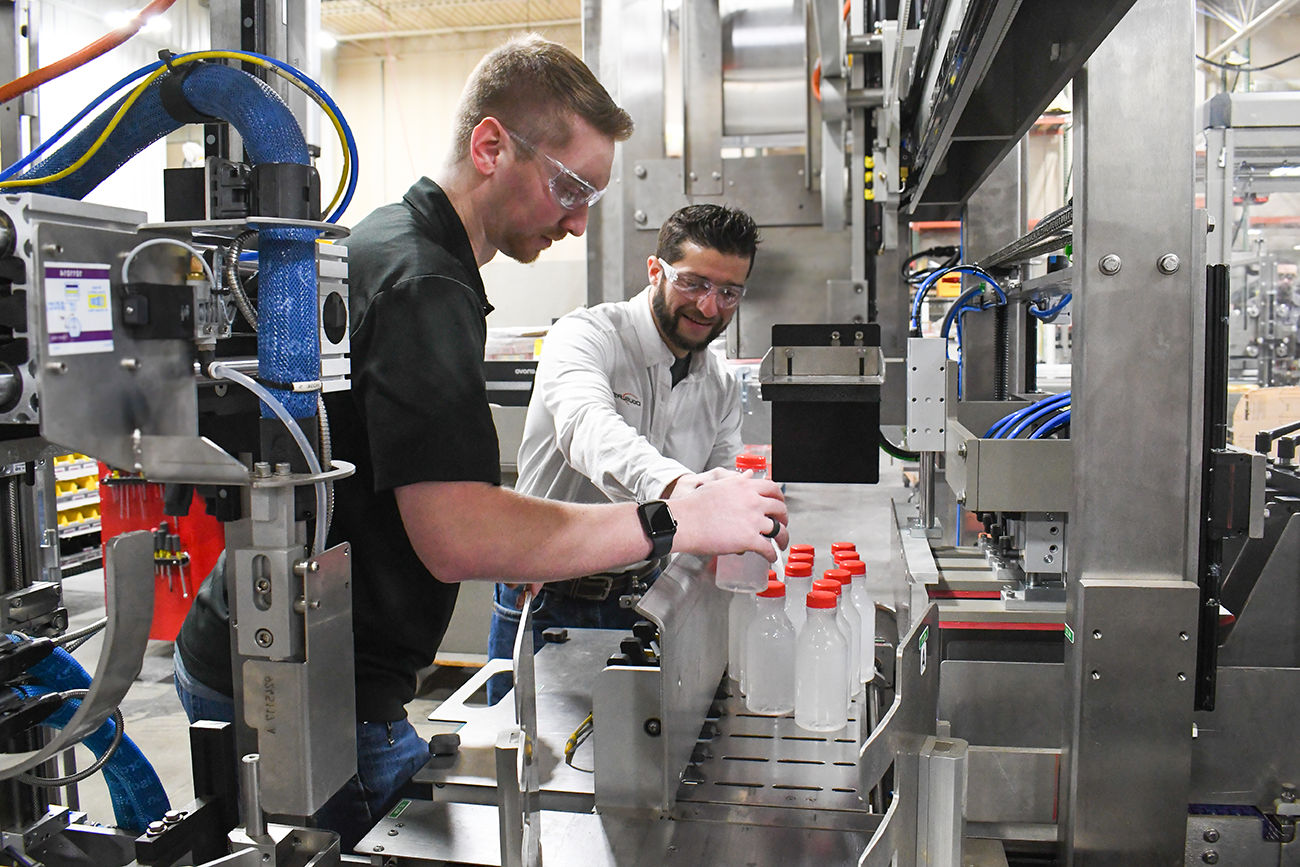
Men Working on Tablet by Packaging Machine

Secondary Packaging 101

Why Startup Support Still Matters After FAT and SAT

Learn why startup support still matters after FAT and SAT and how it helps stabilize production, build team confidence, and improve line performance.

Read more »

Cartons in Machine

Secondary Packaging 101

What FAT Should Prove Before Your Machine Ships

Learn what a strong Factory Acceptance Test should validate before shipment, what FAT cannot prove, and how to use FAT to reduce downstream surprises.

Read more »

Packaging Machine with Damaged Boxes

Problems / Challenges, Secondary Packaging 101

What Causes Packaging Machine Jams? And Which Ones Are Avoidable?

See a practical breakdown of the most common jam causes and understand the best ways to approach them.

Read more »

« »