Learning Center

Whether you’re looking for solutions to specific challenges or wanting to deepen your overall knowledge of secondary packaging, our Learning Center is designed to give you the resources to make confident decisions about your secondary packaging systems.
Hide/Show Filters
Filter by Category
Filter by Topic
Filter by Type
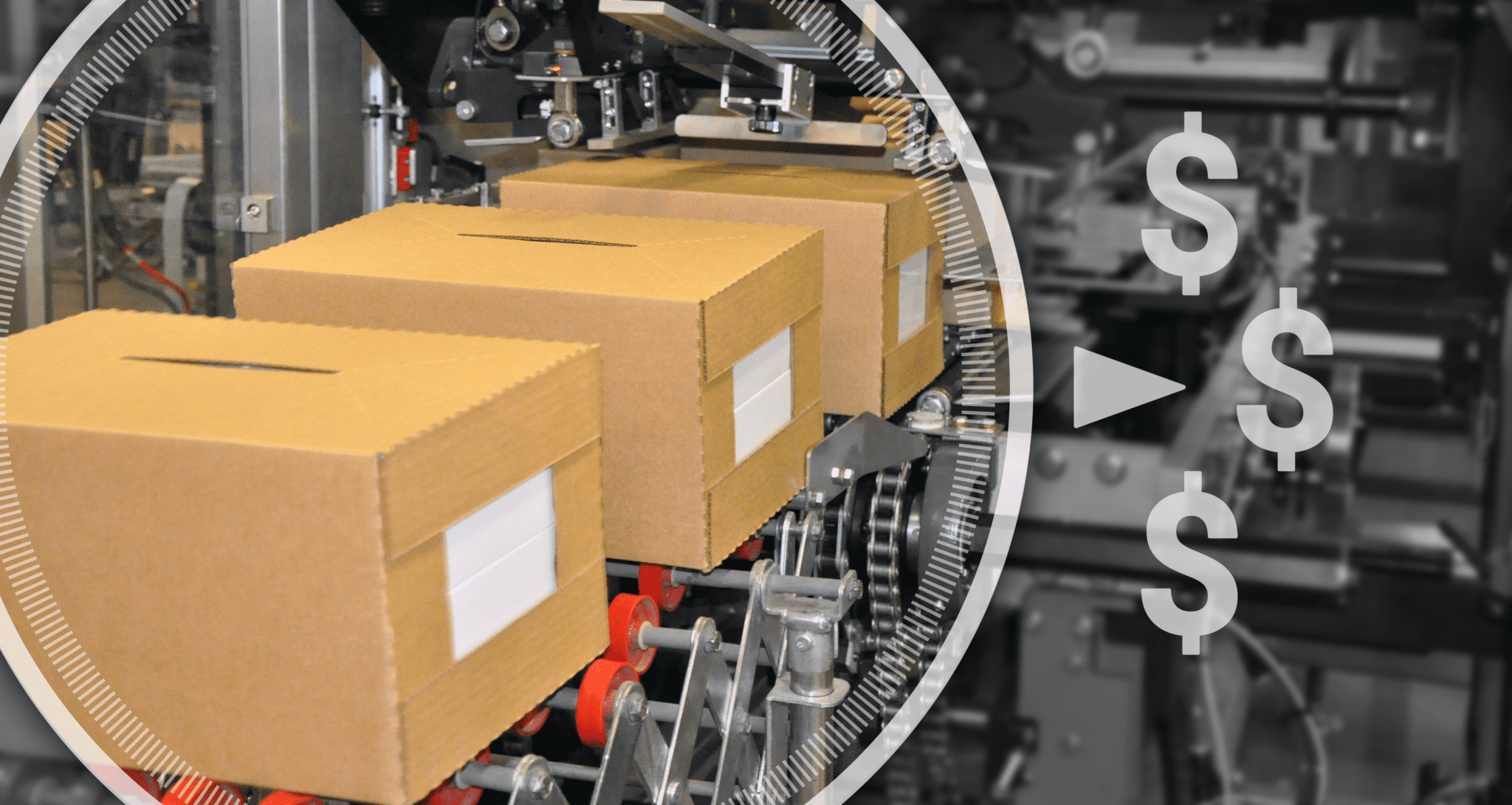
Cases on conveyor with dollar signs

Problems / Challenges

Why Cutting Your Factory Acceptance Test Scope Can Cost More Later

Understand the value differences between a thorough FAT scope and a shallow FAT scope — and which investment costs more in the long term.

Read more »

Problems / Challenges

Commissioning Packaging Equipment: How to Run Startup Without Chaos

Get a clear, practical guide for CPG manufacturers commissioning new packaging equipment.

Read more »

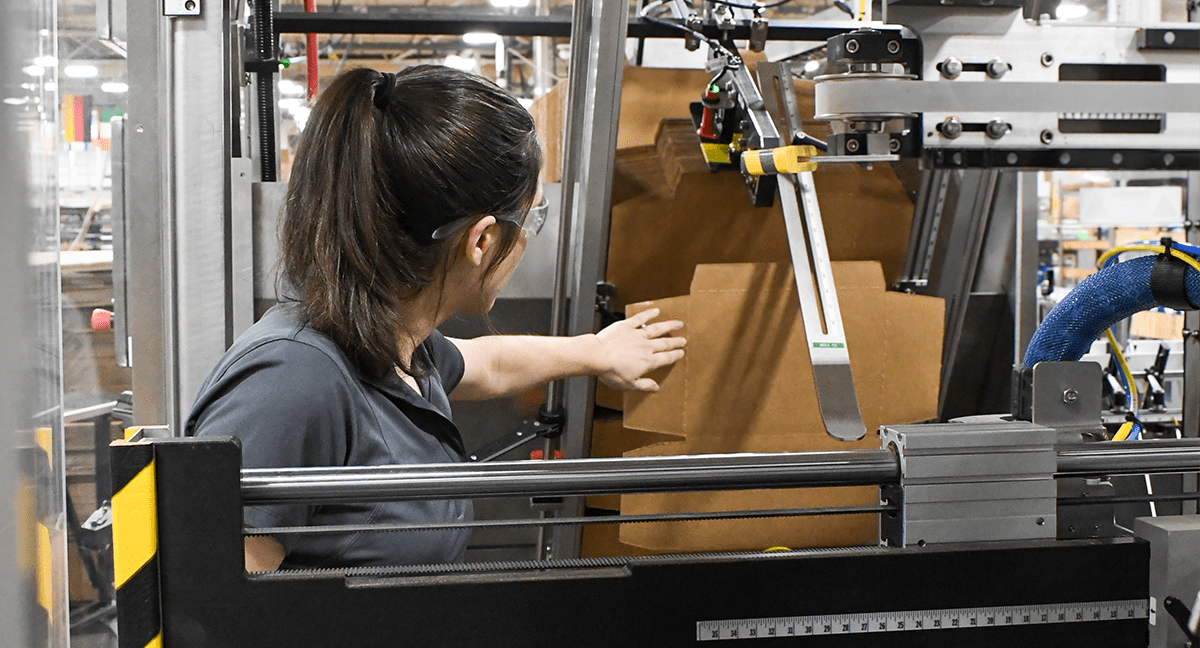
Operator reach into machine to adjust magazine infeed

Problems / Challenges

How Packaging Materials Impact Machine Performance and Line Efficiency

Learn how packaging material variability impacts line performance, how frequently missing specs affect OEE, maintenance and safety, and what alignments prevent recurring losses.

Read more »

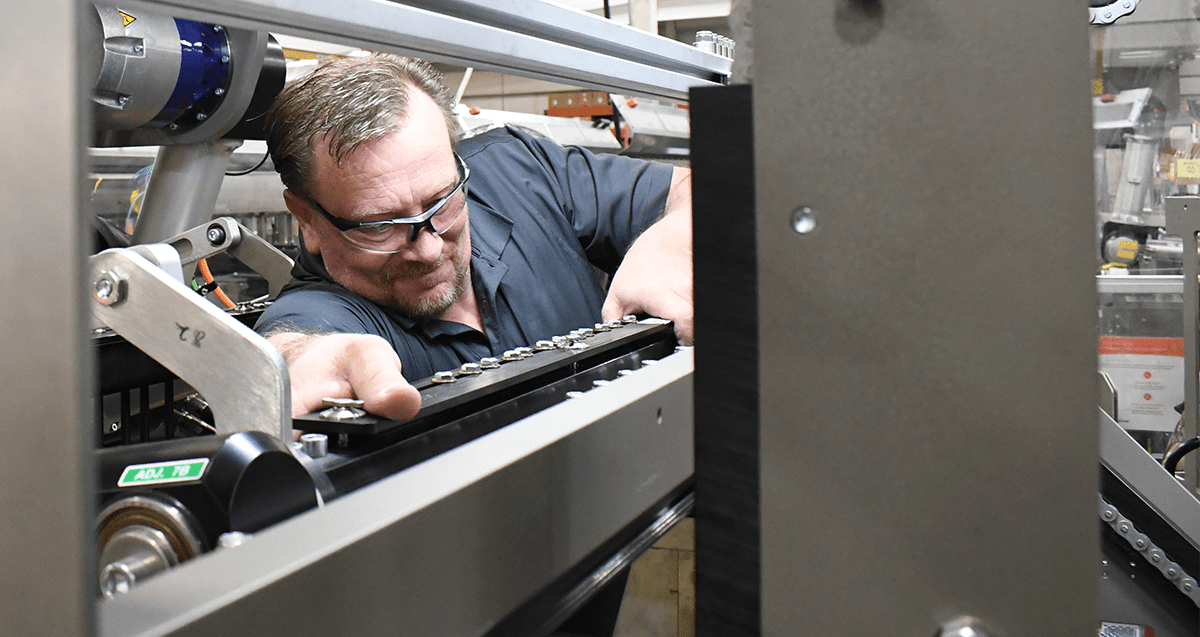
Mechanic adjusting parts inside machine

Problems / Challenges

Packaging Machine Ergonomics: The Hidden Cost of Mechanism-Heavy Automation

Learn why mechanism-heavy automation often creates frequent operator intervention and how robots can (and can’t) simplify automation that improves operator safety and health.

Read more »

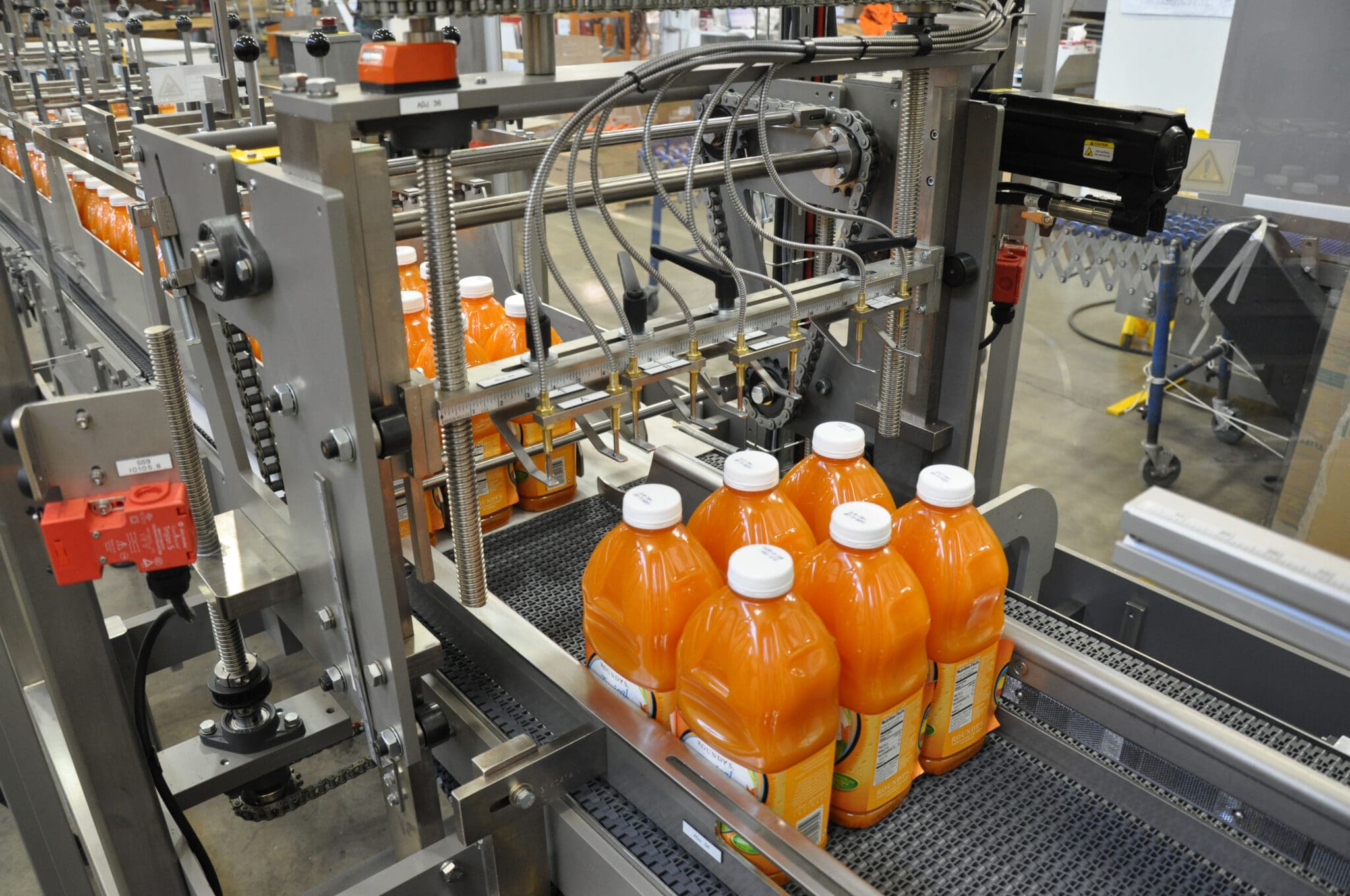
Bottles of juice being metered on a conveyor belt

Comparisons, Secondary Packaging 101

The 4 Types of Tamp and Load Infeeds Explained: Speeds, Costs, and Best-Fit Applications

Learn what tamp and load infeeds actually do and which configuration makes the most sense for your product and your budget.

Read more »

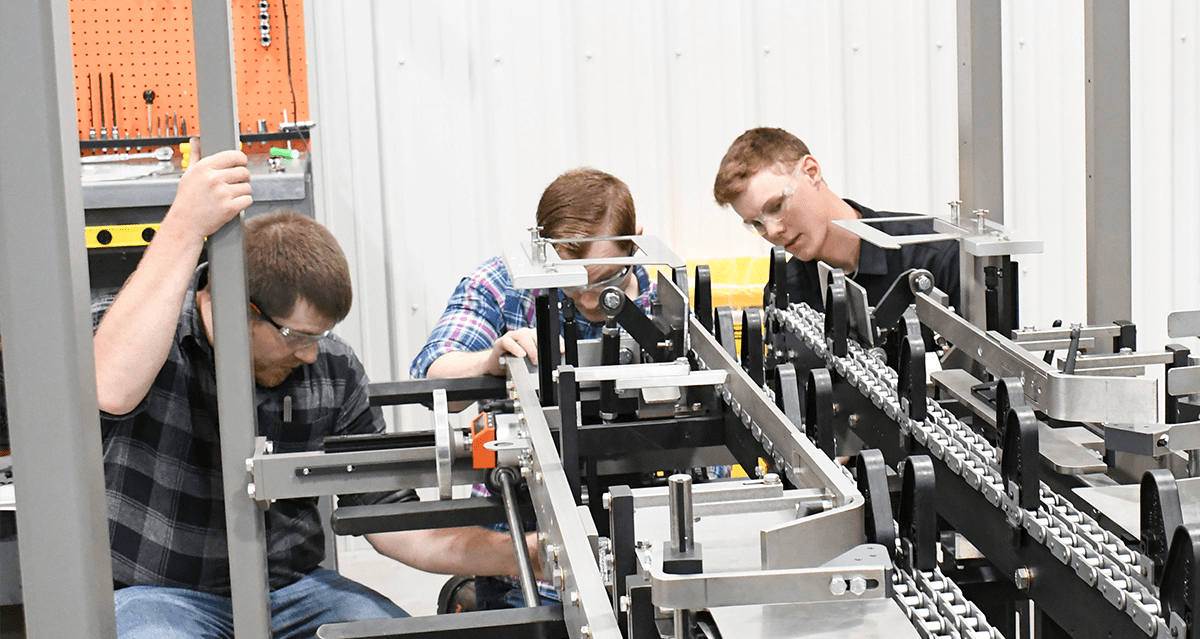
Three technicians doing hands-on training on a piece of equipment

Problems / Challenges

Best-in-Class Training for Secondary Packaging Equipment: What Should You Expect?

Break down the five elements that separate basic machine instruction from performance-driven training programs.

Read more »

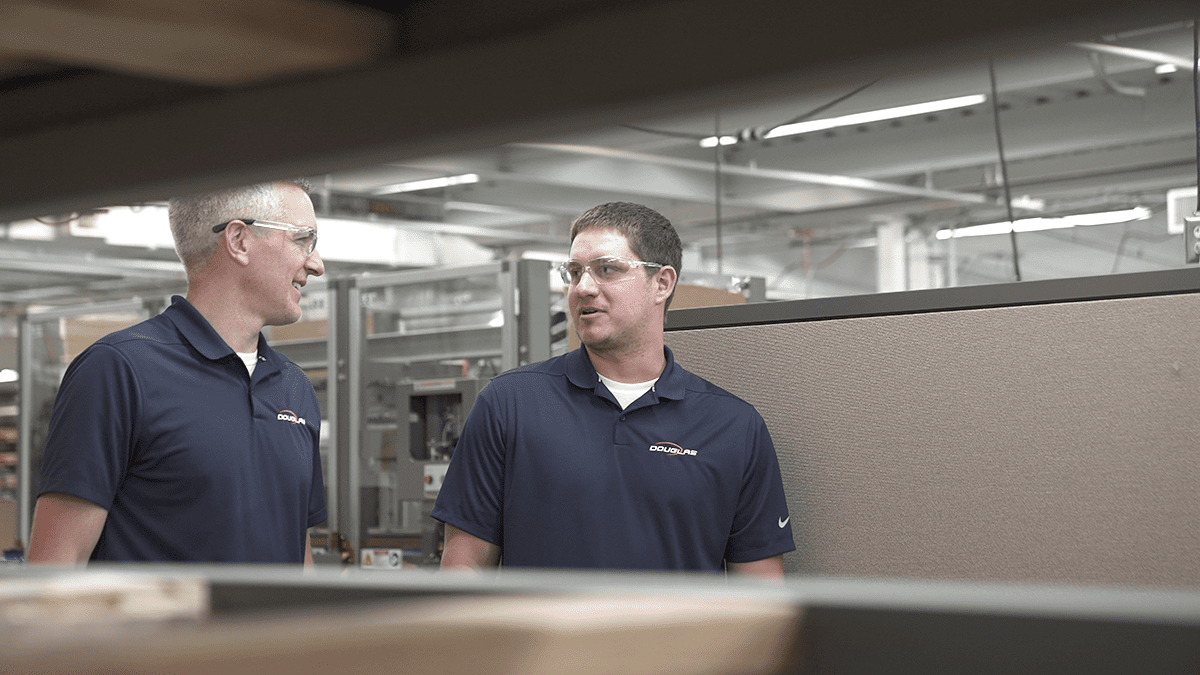
Two men talking in a production setting

Secondary Packaging 101

Raise Your Expectations: What a Great Packaging Automation Partner Looks Like

Learn what a great packaging automation partner should look like — before and after the purchase order — so you can move forward with clarity and confidence.

Read more »

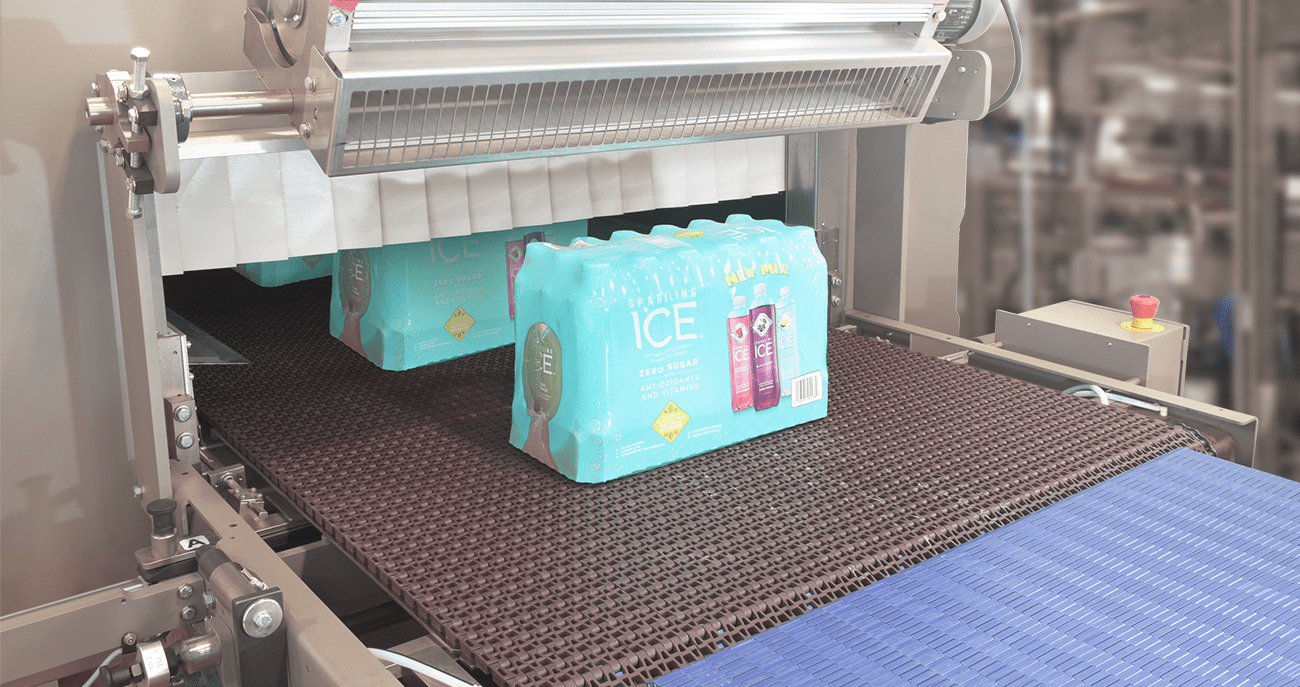
Product being discharged from Shrink tunnel

Cost & Price

How Much Does a Shrink Wrap System Cost? Budgetary Ranges and Key Drivers

Understand shrink wrap system price ranges and what drives them. With that know-how, you’ll be able to budget confidently and prepare effectively for your buying process.

Read more »

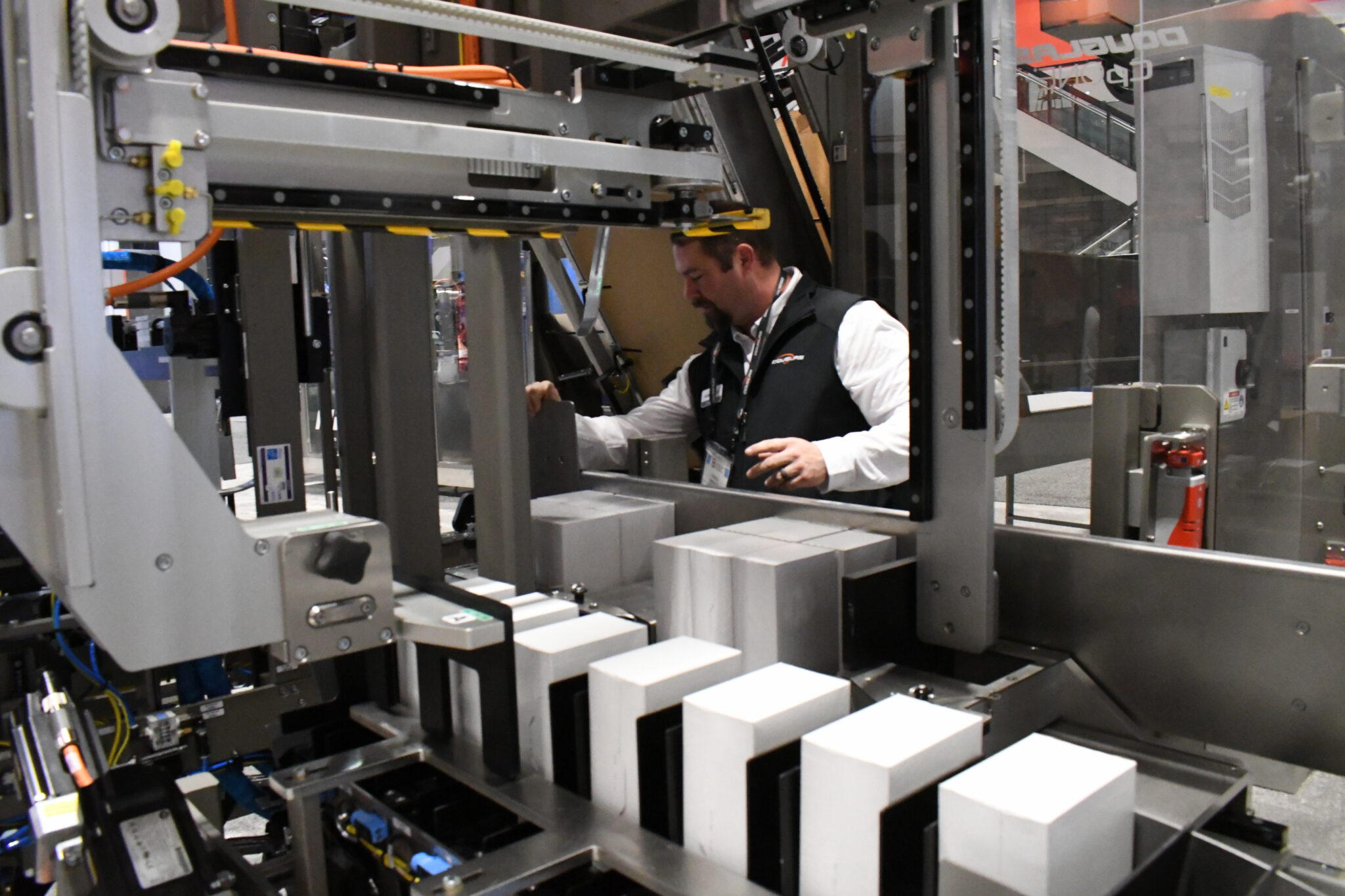
Operator standing by CpONE machine while it collates cartons

Problems / Challenges

How Do I Avoid Vendor Dependence? Building Operational Resilience

With challenges like hiring shortages, knowledge gaps, and employee turnover, it’s easy to slip into vendor dependence. Learn how to build and protect a resilient packaging operation. 

Read more »

« »
Puzzle pieces linking together the words filler, accumulation, case packer, sealer, and palletizer

Secondary Packaging 101

Packaging Line Integration: What Determines Success?

Packaging line integration is not only machine performance, but also handoffs and effectiveness as a single system. We’ll explain the three factors of a well-integrated line and address the question of performance accountability.
Read more »

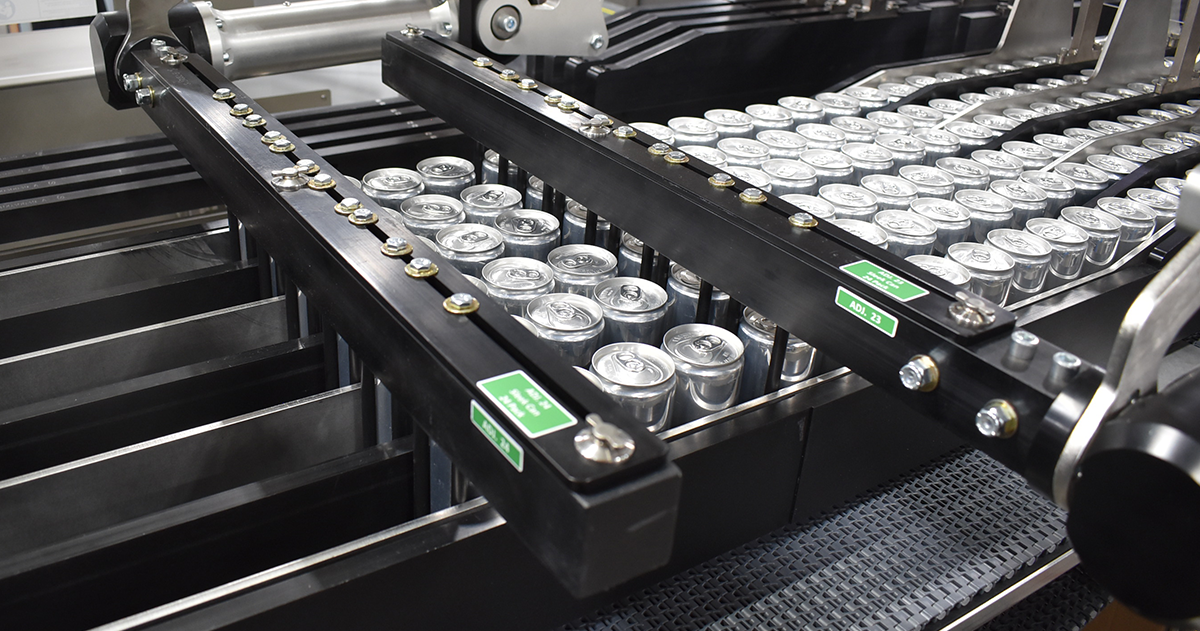
Icons indicating the three sustainability drivers: right-sizing, material reduction, and recyclable and fiber formats

Problems / Challenges

Sustainable Secondary Packaging: Strategies to Reduce Waste and Improve Efficiency

Sustainable secondary packaging is done through three drivers: right-sizing, reducing, and choosing more recyclable materials. We’ll explain how these factors impact your line, and how sustainability tends to cut both cost and footprint.
Read more »

Close-up of change parts on a beverage packing machine

Secondary Packaging 101

What Are Change Parts in Packaging Equipment? A Complete Guide

The physical components swapped off-of and onto machines during changeovers are change parts. We’ll help you understand how these tools quietly drive changeover time, cost, and flexibility; as well as how machine type alters their impact.
Read more »

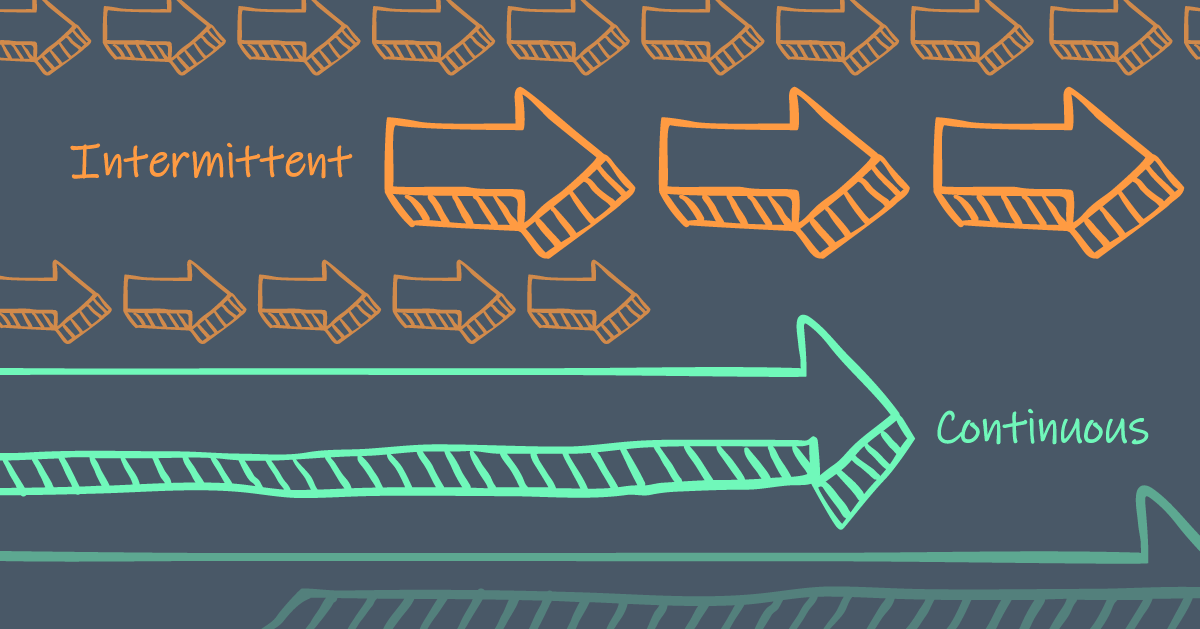
Illustration of dashed arrows indicating intermittent motion and one long arrow indicating continuous motion

Comparisons

Intermittent vs Continuous Motion Packaging Machines: What’s the Difference?

Packaging machines move either intermittently or continuously. We’ll help you understand both types of motion and how they impact things like cost, speed, product handling, and changeovers.

Read more »

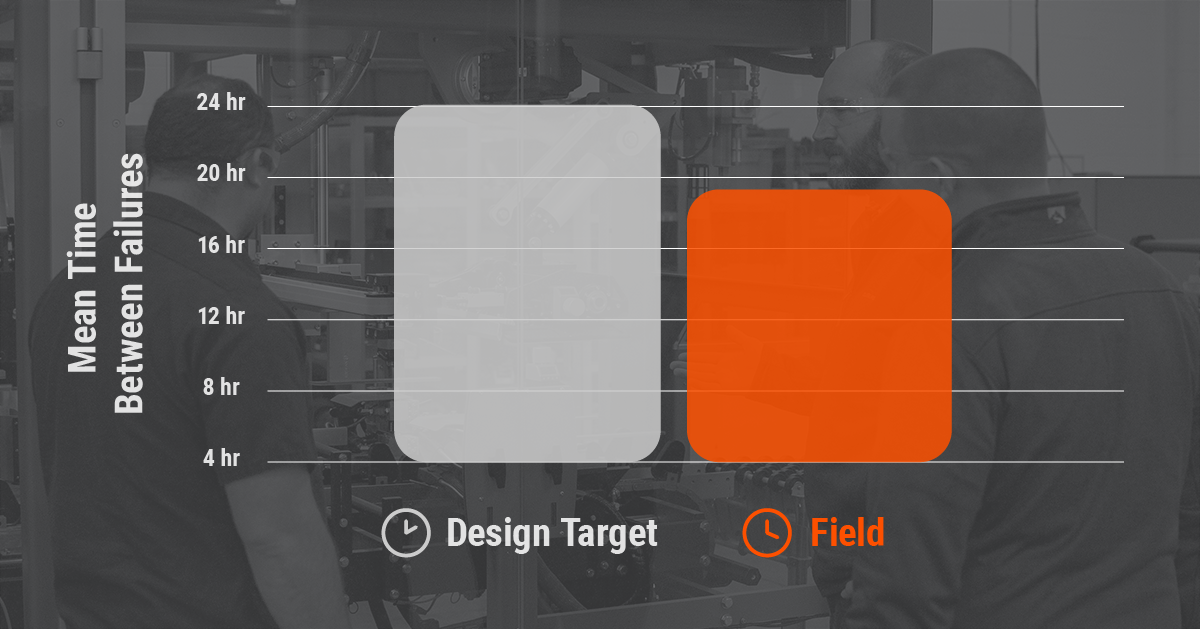
Graph showing mean time between failures with design-target mean time at 24 hours and field-tested mean time at 19 hours

Secondary Packaging 101

What is MTBF (Mean Time Between Failures)?

MTBF is a common spec sheet number, and one that many buyers don’t understand. We’ll outline what MTBF is, how to calculate it, and what it means for your line.

Read more »

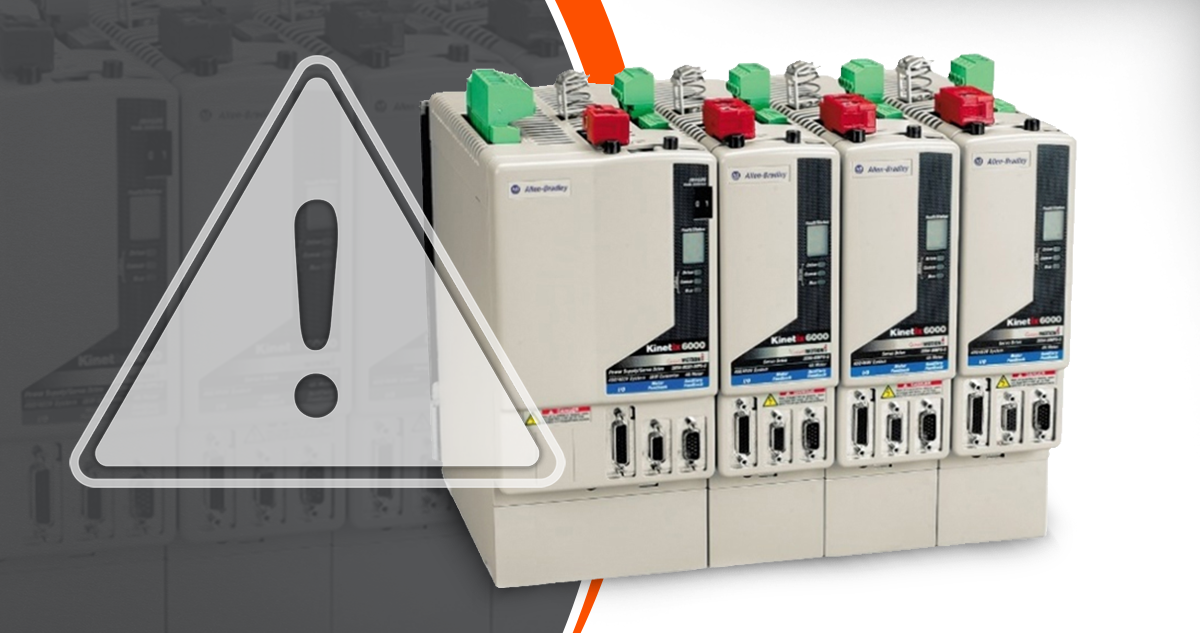
Kinetix 6000 drive

How-To

How to Read and Respond to Common K6000 Faults

Kinetix 6000 (K6000) fault codes can often be remedied with the right know-how. We’ll help you understand how to read power-ups, status lights, and fault codes, to get to the root cause of drive issues.

Read more »

« »