Learning Center

Whether you’re looking for solutions to specific challenges or wanting to deepen your overall knowledge of secondary packaging, our Learning Center is designed to give you the resources to make confident decisions about your secondary packaging systems.
Filter by Category
Filter by Topic
Filter by Type
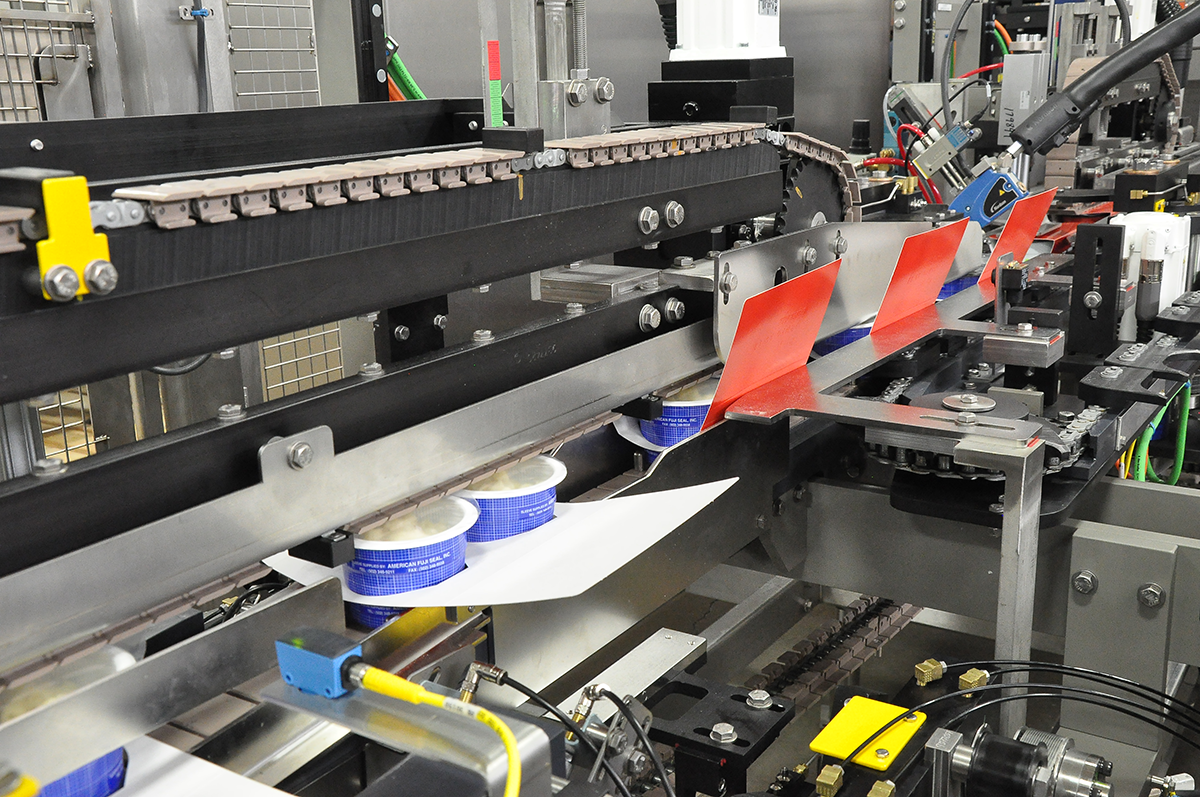
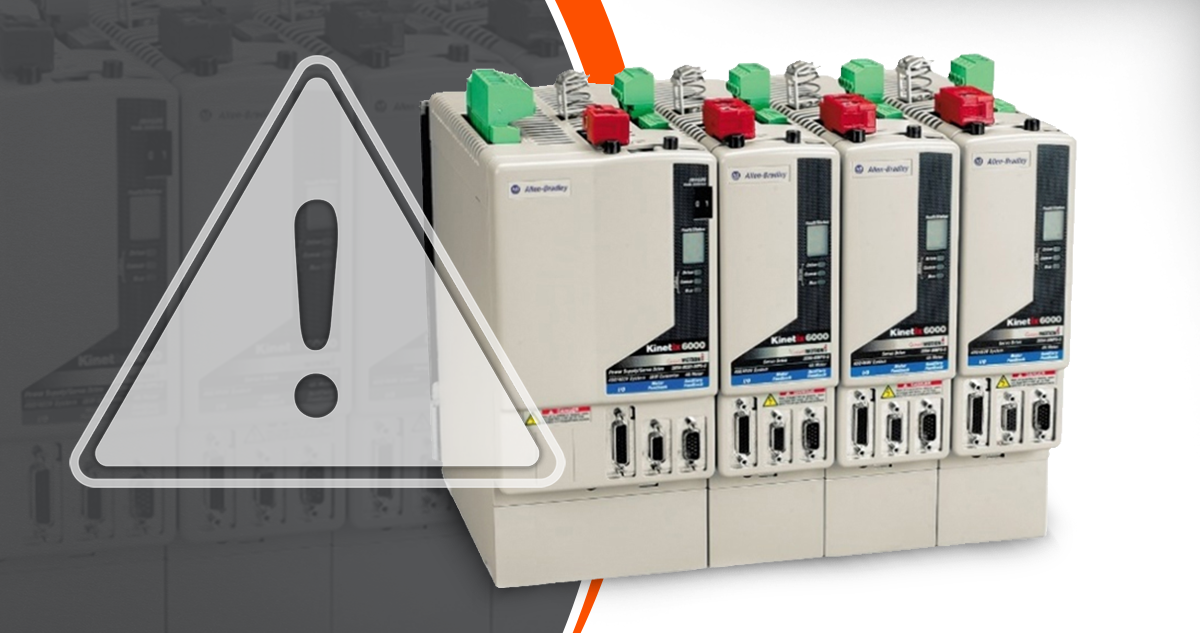
Kinetix 6000 drive

How-To

How to Read and Respond to Common K6000 Faults

Kinetix 6000 (K6000) fault codes can often be remedied with the right know-how. We’ll help you understand how to read power-ups, status lights, and fault codes, to get to the root cause of drive issues.

Read more »

Kinetix 6000 part with "discontinued" banner on top

Problems / Challenges

How Do I Navigate K6000 Obsolescence?

Allen-Bradley moved the Kinetix 6000 (K6000) servo drive to obsolete status, which means no new units and a used-only supply. We can help you navigate this change and offer options on how to proceed.

Read more »

Hand holding a security padlock next to the eight listed steps of lockout tagout

How-To

What is the Lockout/Tagout (LOTO) Requirement for Packaging Equipment? 

Lockout/Tagout (LOTO) is a federal safety requirement that makes sure machines are de-energized before maintenance. We’ll walk you through the eight-step procedure, explain your role, and show how it applies to the equipment you work with.

Read more »

Split image showing before and after of machine refurbishment

Comparisons

What Is Equipment Refurbishment and When Is It Better Than Replacement? 

Learn the 50% rule and a five-question framework to help you distinguish when refurbishment and when replacement makes the most economic and operational sense.

Read more »

OEE = availability x performance x quality

Secondary Packaging 101

The Three Components of OEE: Availability, Performance, Quality (and the Six Big Losses)

Understand the three independent components of OEE and learn how to identify which one is dragging your OEE down.

Read more »

Productivity comparison graphs of non-vertical startup and vertical startup

Secondary Packaging 101

Vertical Startup: Why It Matters

Vertical startup is the achievement of stable throughput and quality within days of going live, not just the installation event. Understand the difference and how you can plan for this success.

Read more »

Predictive vs Preventive Maintenance article header graphic - PF Curve

Secondary Packaging 101

Predictive vs Preventive Maintenance: How Do They Differ?

Learn how to tell which type of maintenance your high-value assets need and where traditional maintenance still makes business sense.

Read more »

Colorful charts and documents on wall

Problems / Challenges

Packaging Equipment Project Timelines: Why They Range from 4 to 18 Months

Understand which dependencies are on the critical path and the cost/benefits of timeline compression so you can negotiate timelines that protect both schedules and production success.

Read more »

Two engineers collaborating at a desk

Secondary Packaging 101

URS, FDS, and FRS: A Buyer’s Guide to Packaging Project Specifications

Understand the roles of these three core specification documents and when each one is required so that you can save your project from FAT failures and costly rework.

Read more »

»
Operator working on a machine's HMI, with a large checklist icon overlay

Secondary Packaging 101

What Is a Machinery Risk Assessment and Who’s Responsible for It?

Machinery risk assessment is a multi-stage process where OEMs, integrators, and end users each assess different hazards. Understanding who is responsible for what, prevents safety gaps.

Read more »

Spray bottles upright on conveyor and spray bottles upright inside case

Secondary Packaging 101

What Is Product Orientation in Secondary Packaging and Why Does It Matter?

Understand what product orientation is, how it impacts your equipment, and what decisions need to be considered when choosing your packaging equipment.

Read more »

Bags of croutons on conveyor, arrow pointing down conveyor labeled DOT and arrow pointing across conveyor labeled AM

Secondary Packaging 101

What Is ‘Direction of Travel’ (DOT) and ‘Across Machine’ (AM) and Why Do They Matter?

Learn the definitions of DOT and AM, how they affect your product and equipment, and what questions to ask before you spec a new machine.

Read more »

Cartons Being Loaded Into a Case

Secondary Packaging 101

What Is an SAT in Packaging Equipment?

Learn how Site Acceptance Testing differs from FAT, what SAT is meant to verify onsite, and why real production conditions can change the outcome.

Read more »

Men Working on Tablet by Packaging Machine

Secondary Packaging 101

Why Startup Support Still Matters After FAT and SAT

Learn why startup support still matters after FAT and SAT and how it helps stabilize production, build team confidence, and improve line performance.

Read more »

Cartons in Machine

Secondary Packaging 101

What FAT Should (and Should Not) Prove Before Your Machine Ships

Learn what a strong Factory Acceptance Test should validate before shipment, what FAT cannot prove, and how to use FAT to reduce downstream surprises.

Read more »

« »