Learning Center

Whether you’re looking for solutions to specific challenges or wanting to deepen your overall knowledge of secondary packaging, our Learning Center is designed to give you the resources to make confident decisions about your secondary packaging systems.
Hide/Show Filters
Filter by Category
Filter by Topic
Filter by Type
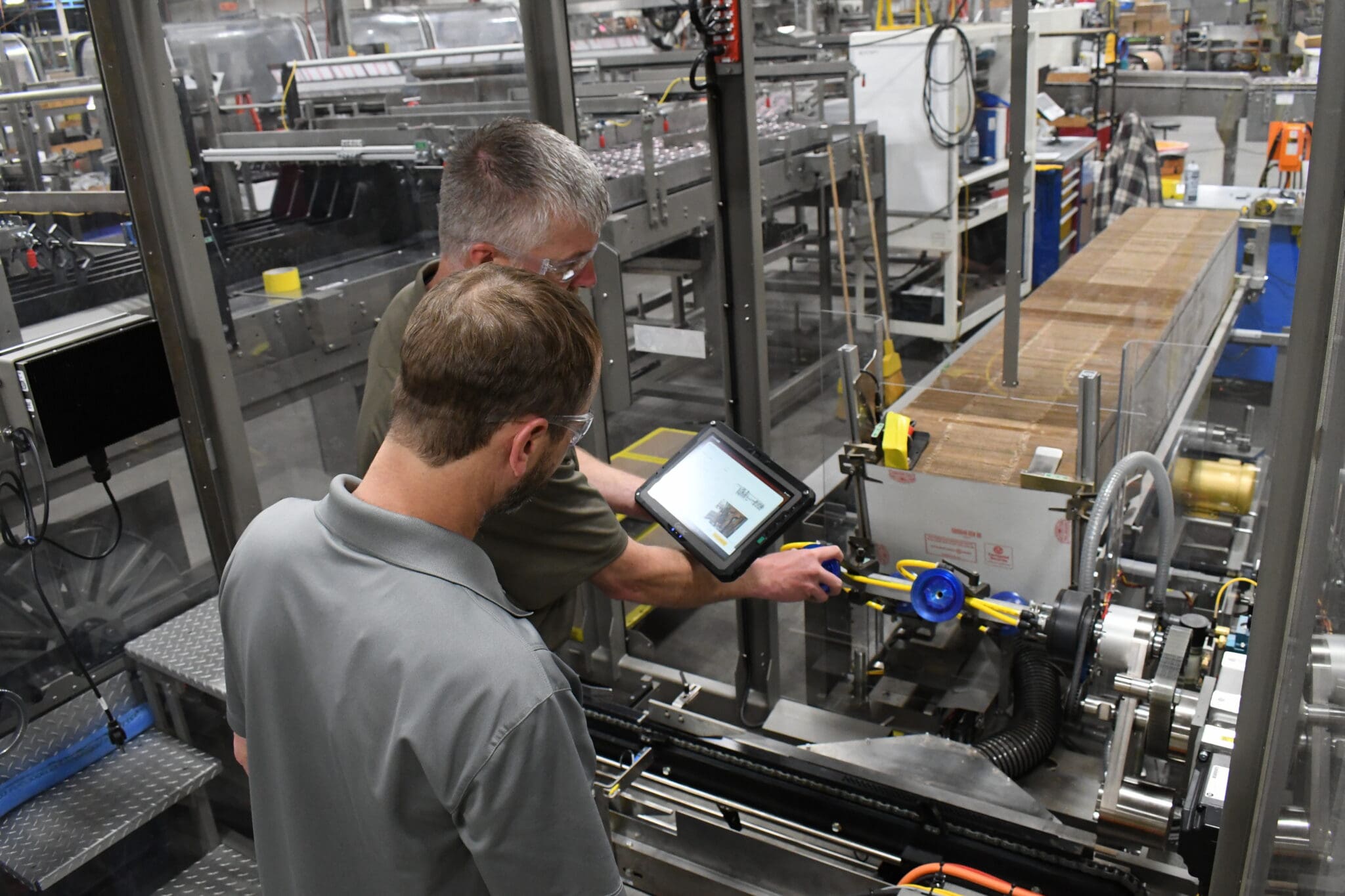
Men Working on Tablet by Packaging Machine

Secondary Packaging 101

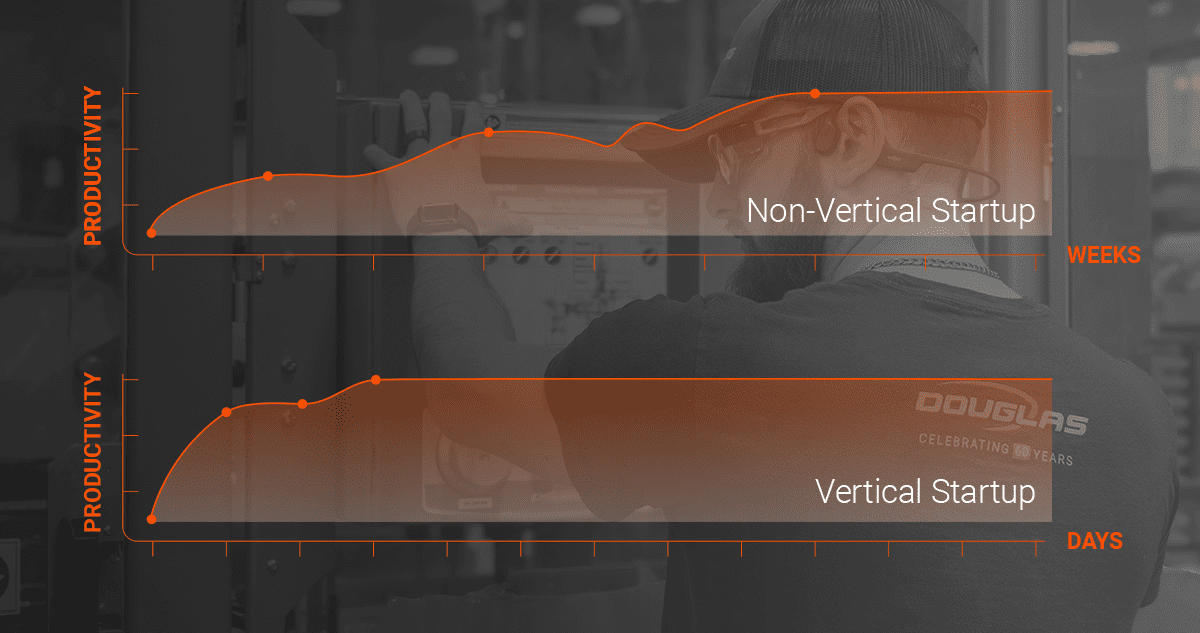
Why Startup Support Still Matters After FAT and SAT

Learn why startup support still matters after FAT and SAT and how it helps stabilize production, build team confidence, and improve line performance.

Read more »

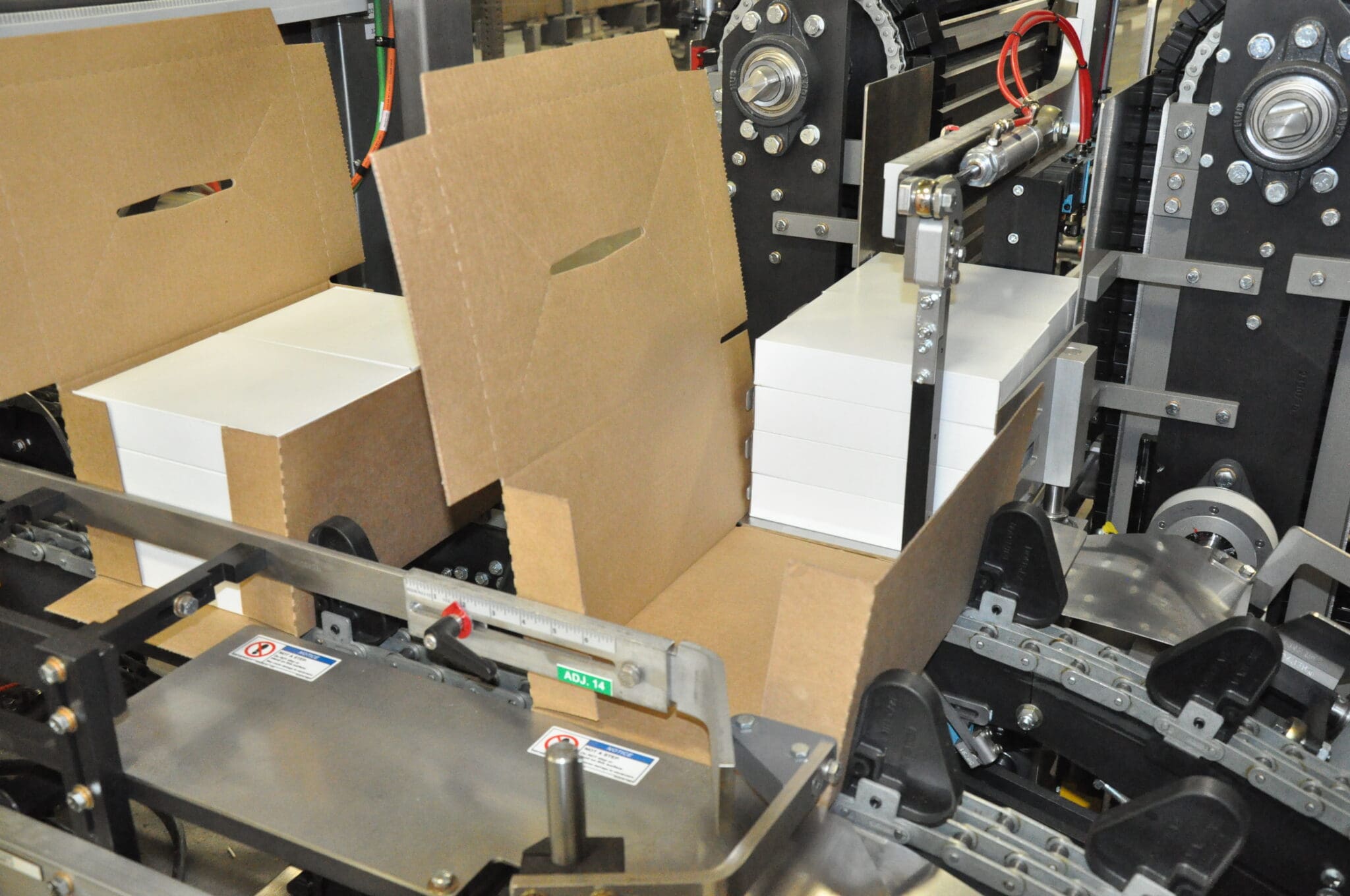
Cartons in Machine

Secondary Packaging 101

What FAT Should Prove Before Your Machine Ships

Learn what a strong Factory Acceptance Test should validate before shipment, what FAT cannot prove, and how to use FAT to reduce downstream surprises.

Read more »

Packaging Machine with Damaged Boxes

Problems / Challenges, Secondary Packaging 101

What Causes Packaging Machine Jams? And Which Ones Are Avoidable?

See a practical breakdown of the most common jam causes and understand the best ways to approach them.

Read more »

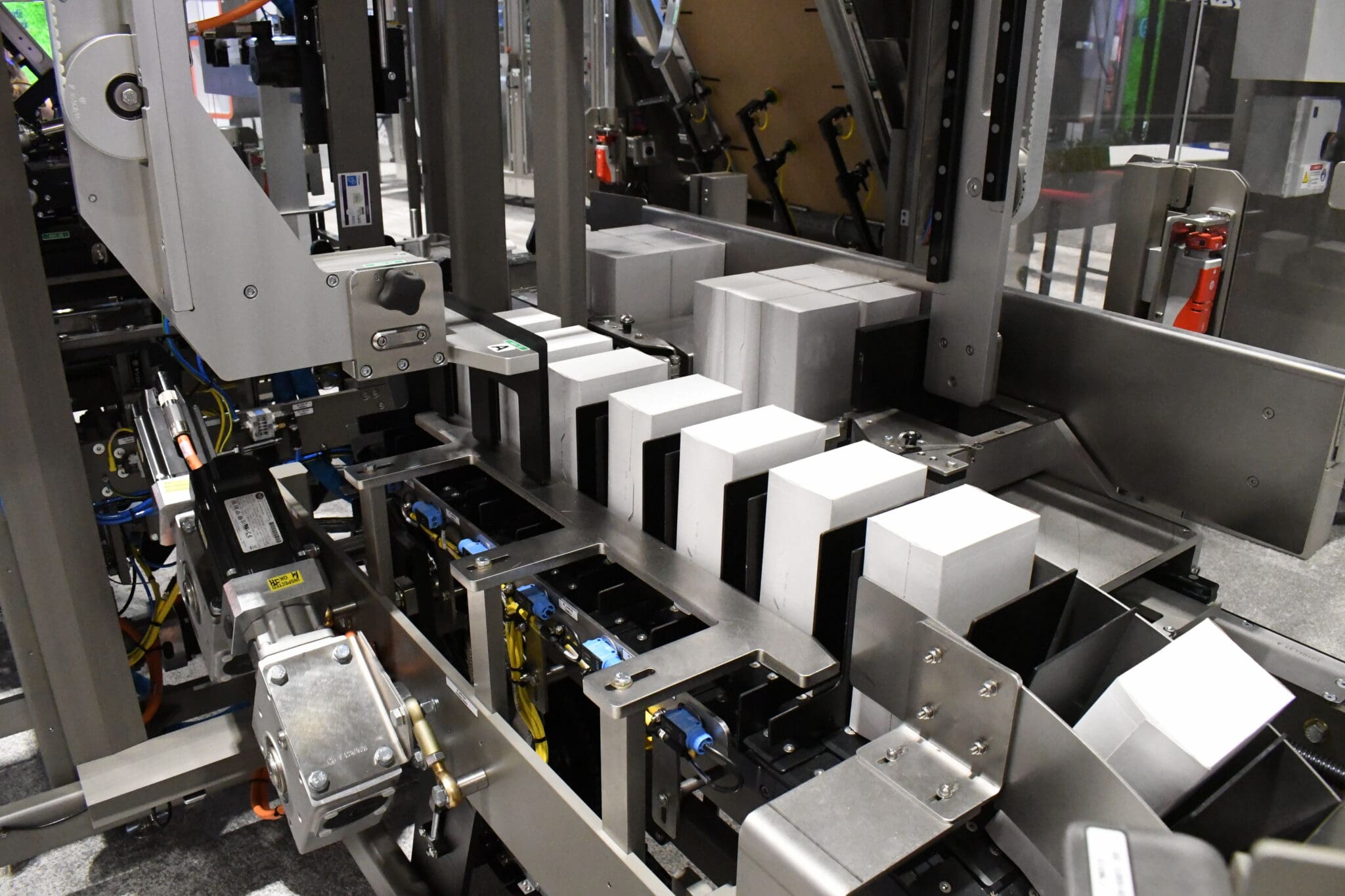
Cartons of tea in packaging machine

Secondary Packaging 101

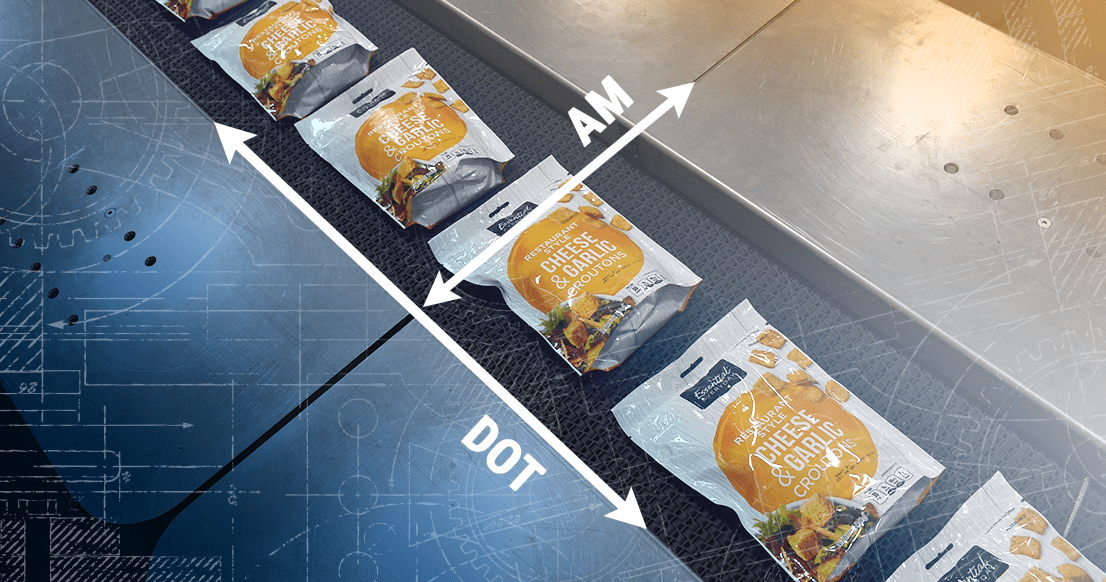
What is Machine Index and Pitch?

Understand machine index and pitch so you can read specs more accurately and ask better questions during the evaluation process.

Read more »

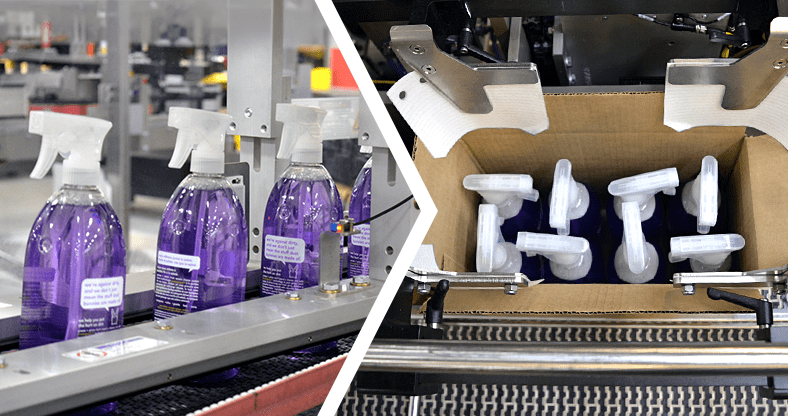
Top Load vs. Horizontal Load Case Packing

Comparisons, Secondary Packaging 101

Top Load vs Horizontal Load Case Packing: Which Should I Use?

Understand the differences between top load and horizontal load and which configuration is best suited for your operation.

Read more »

Servo on a machine

Secondary Packaging 101

What Does Servo-Driven Mean and Why Do OEMs Use Them?

Learn the definition of a servo-driven machine and understand the pros and cons of using one in your operation.

Read more »

Machine adjustment point with indicator displaying numbers

Secondary Packaging 101

What Is a Changeover? And What Makes One Fast or Slow?

Learn what impacts changeover speed and why “changeover time” makes a difference to your line’s efficiency and productivity.

Read more »

Plastic bottles on conveyor at fast speed

Secondary Packaging 101

What Does Line Speed Mean? And Why Is It So Often Misquoted?

Understand important speed metrics and learn which questions will tell you the most about machine performance and productivity.

Read more »

Worker wearing hardhat and holding clipboard observing machine conveyor lines

Secondary Packaging 101

What Is a Factory Acceptance Test (FAT) and Why Does It Matter?

Understand what a good FAT looks like so you can help protect your investment.

Read more »

« »
Colorful charts and documents on wall

Problems / Challenges

Packaging Equipment Project Timelines: Why They Range from 4 to 18 Months

Understand which dependencies are on the critical path and the cost/benefits of timeline compression so you can negotiate timelines that protect both schedules and production success.

Read more »

Two engineers collaborating at a desk

Secondary Packaging 101

URS, FDS, and FRS: A Buyer’s Guide to Packaging Project Specifications

Understand the roles of these three core specification documents and when each one is required so that you can save your project from FAT failures and costly rework.

Read more »

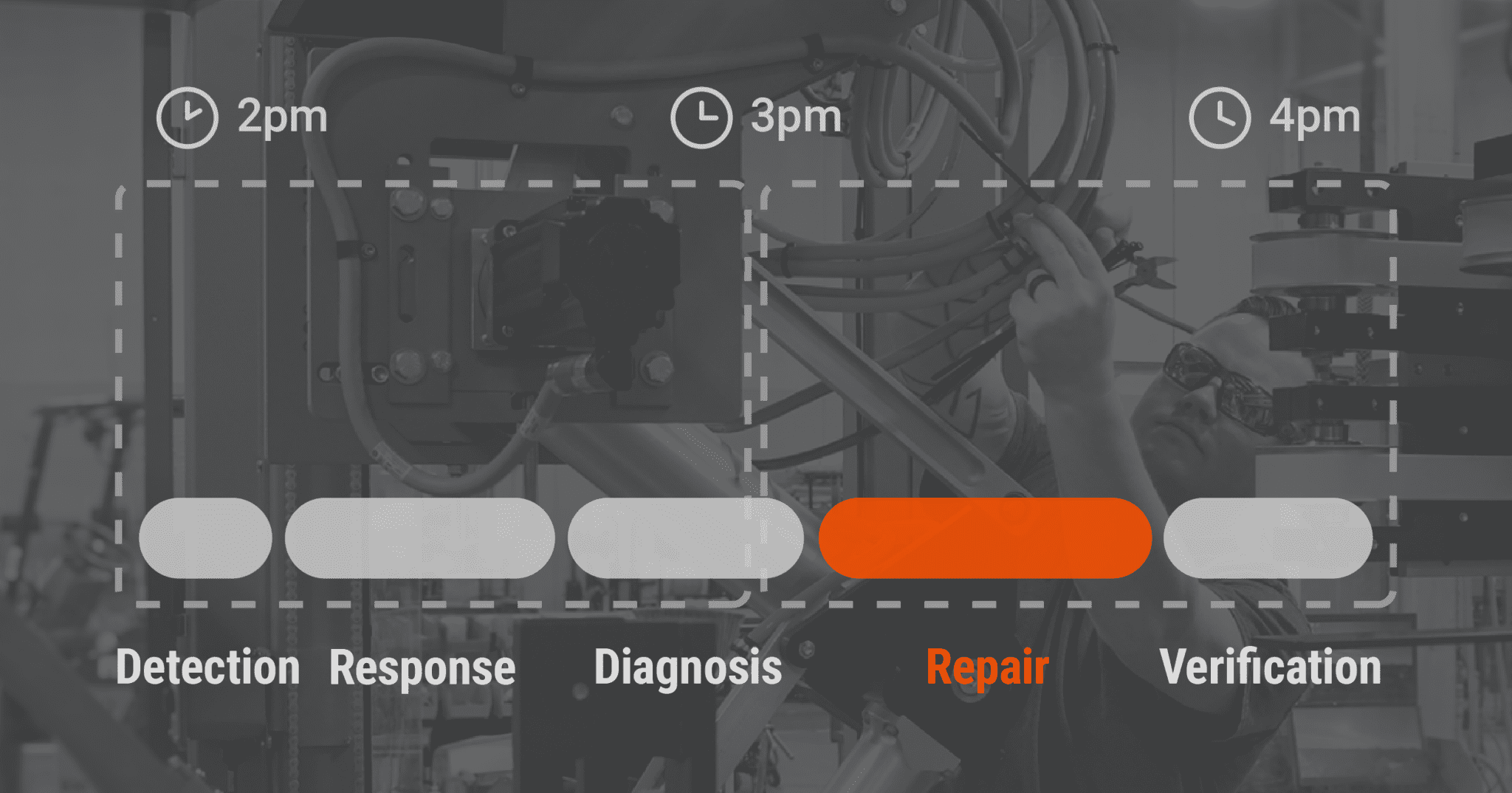
Maintenance process timeline with repair highlighted

Secondary Packaging 101

What Is Mean Time to Repair (MTTR) and What Drives It Up or Down?

Understand MTTR along with its components and drivers so you can identify where downtime actually happens and where to focus improvement effort for the fastest payback.

Read more »

Douglas representative sitting at desk with laptop and headphones on a video call

Comparisons

Remote Service vs Remote Monitoring: What Your OEM Actually Delivers

Understand the difference between remote monitoring and remote service and how these things affect how you budget, manage security, and partner with your OEM.

Read more »

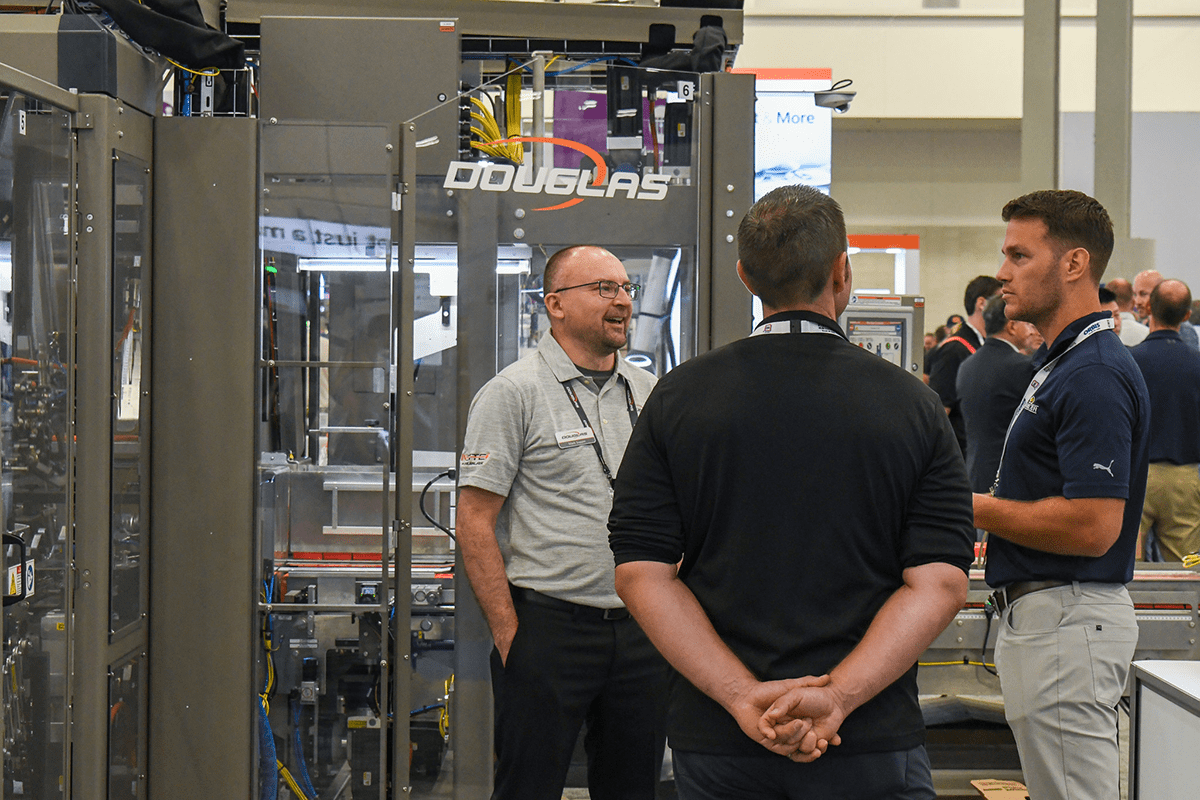
Group of people standing and having a conversation by a packaging machine

Comparisons

OEM vs. System Integrator: Which One Should You Hire?

One company builds the machines. The other ties the line together. Here’s how to tell which is right for your project — and why “both” is often the real answer.

Read more »

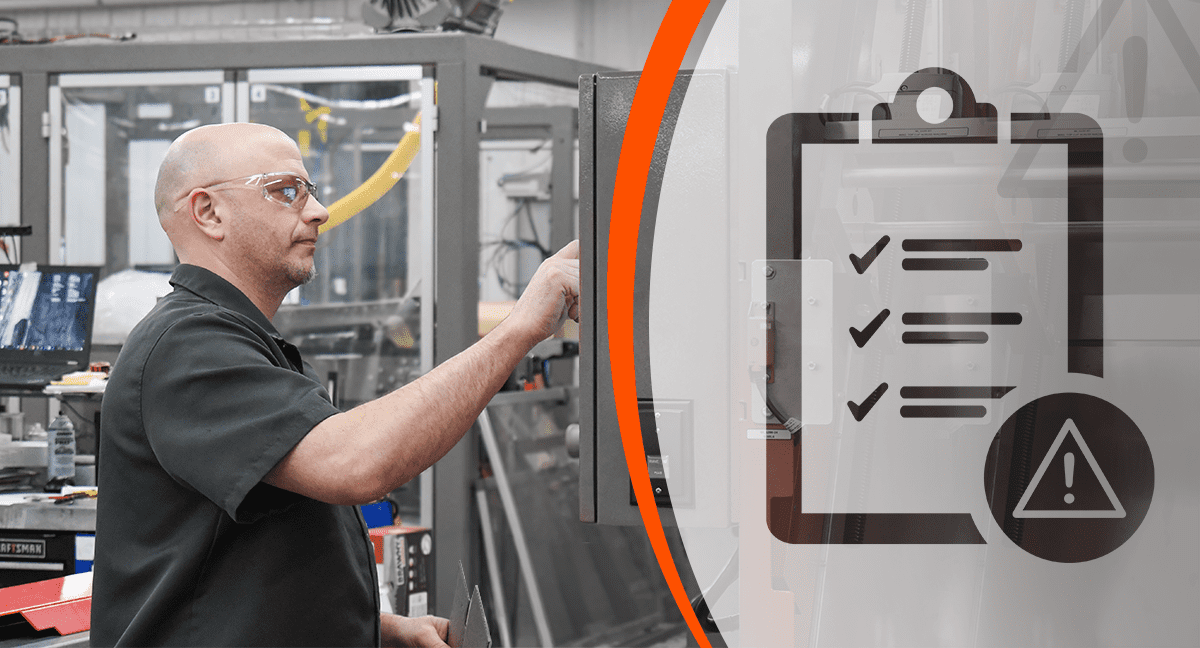
Operator working on a machine's HMI, with a large checklist icon overlay

Secondary Packaging 101

What Is a Machine Risk Assessment and Who’s Responsible for It?

Machinery risk assessment is a multi-stage process where OEMs, integrators, and end users each assess different hazards. Understanding who is responsible for what, prevents safety gaps.

Read more »

« »