Learning Center

Whether you’re looking for solutions to specific challenges or wanting to deepen your overall knowledge of secondary packaging, our Learning Center is designed to give you the resources to make confident decisions about your secondary packaging systems.
Hide/Show Filters
Filter by Category
Filter by Topic
Filter by Type
TCO (Total Cost of Ownership) Mindmap

Cost & Price

What Actually Drives Secondary Packaging TCO (Ranked by Impact)

Learn where total cost of ownership is actually created—so you know where to spend time, where to push vendors, and where cutting corners will cost you later.

Read more »

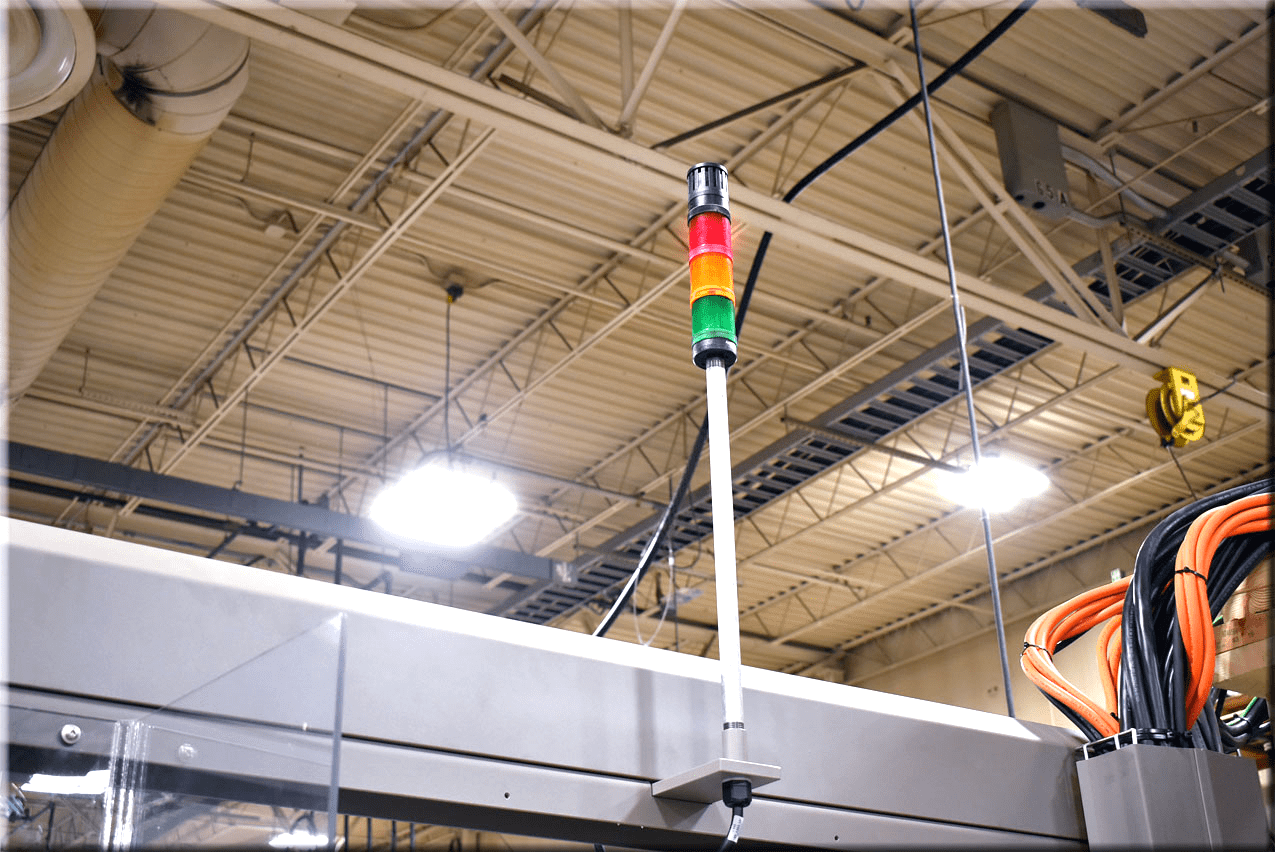
Light column that indicates status of machine

Problems / Challenges

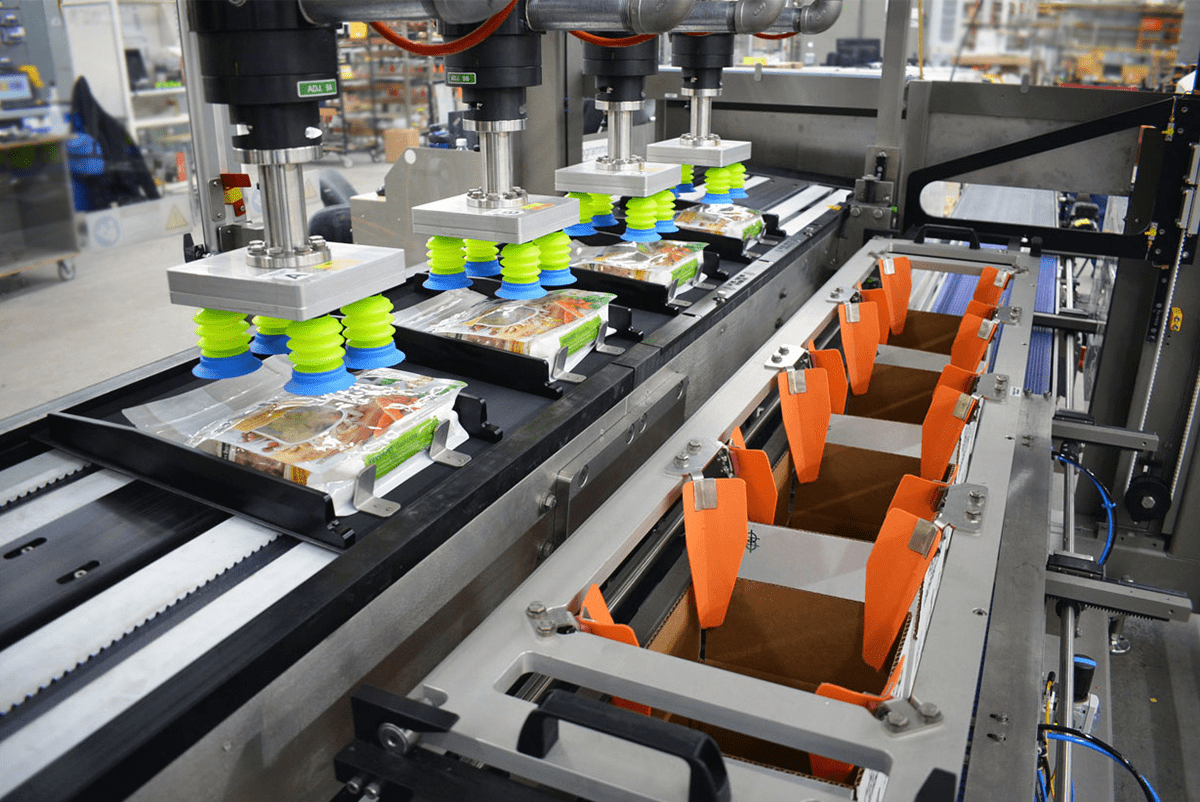
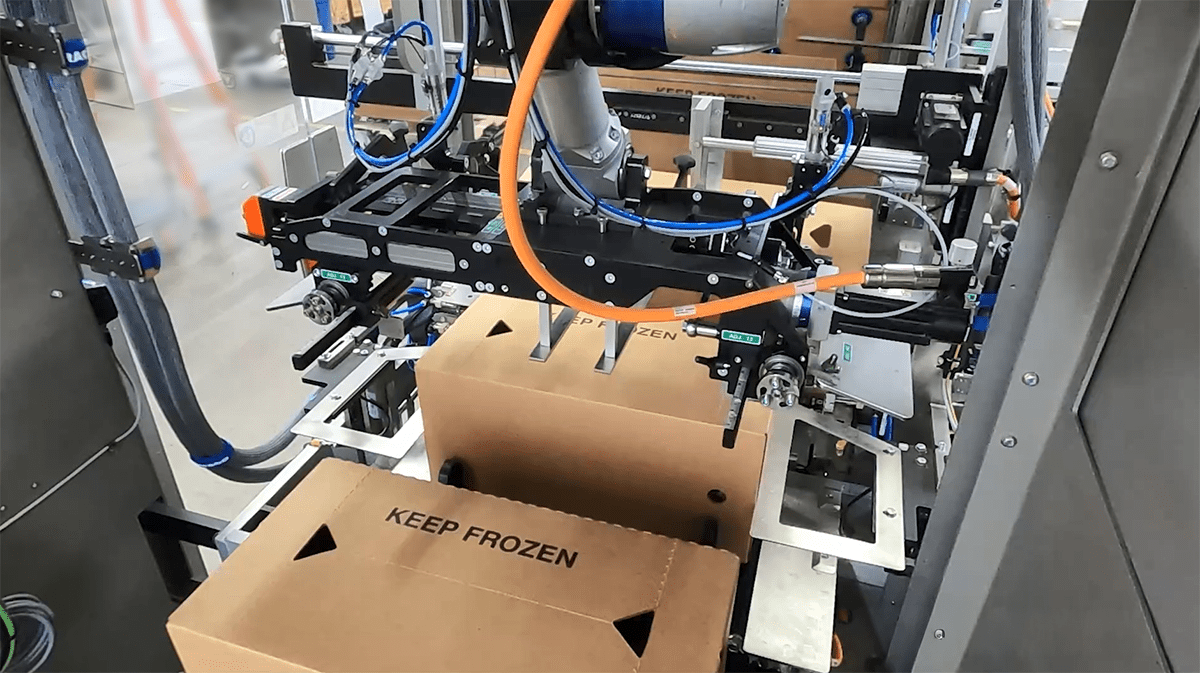
20 Common Secondary Packaging Lines Problems: Causes and Solutions

Learn 20 of the most common secondary packaging line problems, what causes them, and practical ways to address them. Then, explore best practices to help prevent these issues and improve line performance moving forward.
Read more »

Bags of pet food being loaded into a case

How-To, Problems / Challenges

High-SKU Pet Food Operations: How to Cut Changeover Time in Case Packing and Palletizing

Break down what’s really happening in your end-of-line operations and build a plant-floor playbook that separates what’s process, what’s equipment, and what’s design.

Read more »

How-To, Secondary Packaging 101

A Buyer’s Guide to Automating Frozen Pizza Packaging Lines

Walk through the most important factors to consider when automating frozen pizza packaging—so you can make a confident, future-proof decision.

Read more »

How-To, Secondary Packaging 101

How to Automate Variety Pack Production Without Overbuilding or Overpaying

Learn which type of automation is right for your production scale, space, and SKU needs—whether you’re packing beverages or assembling snack assortments.

Read more »

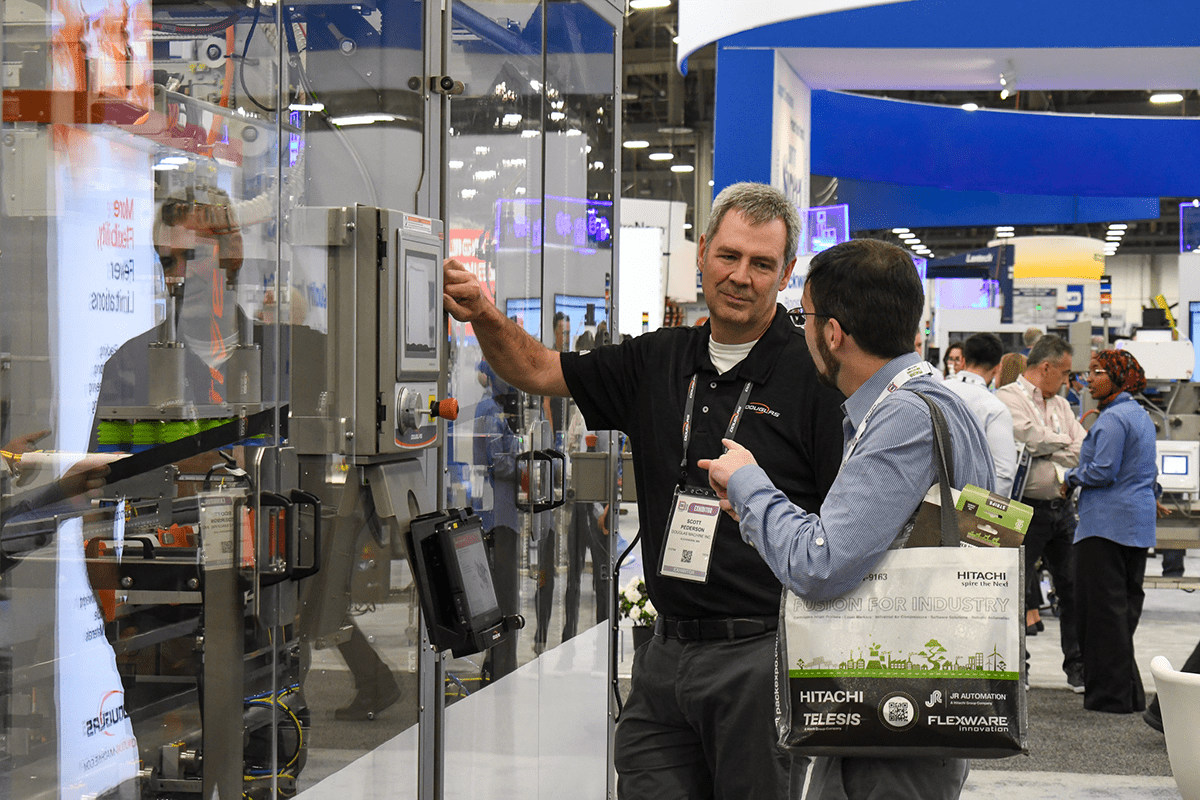
People talking in front of top load case packer

Cost & Price

How Much Does a Top Load Case Packer Cost?

Budgeting for a top load case packer is highly dependent on your product, your operation, and your expectations. Learn some price range estimates, major drivers, and questions you should answer before talking to vendors.

Read more »

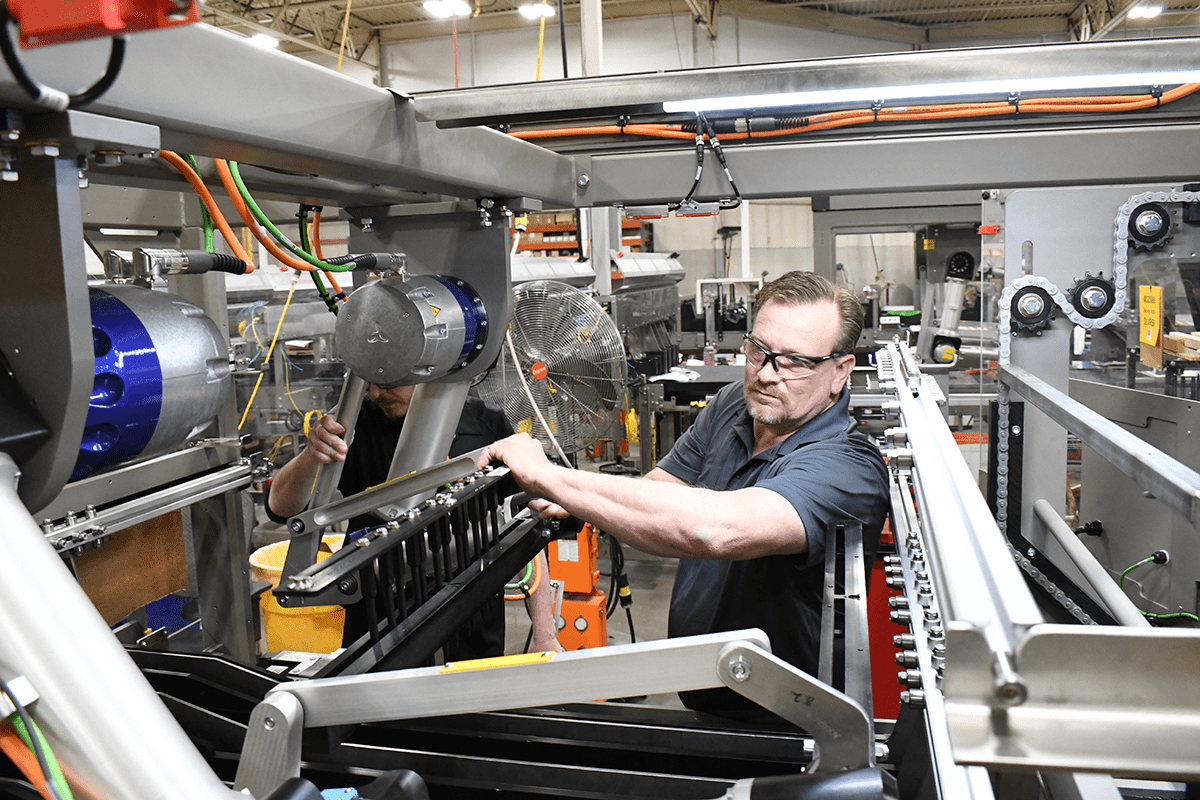
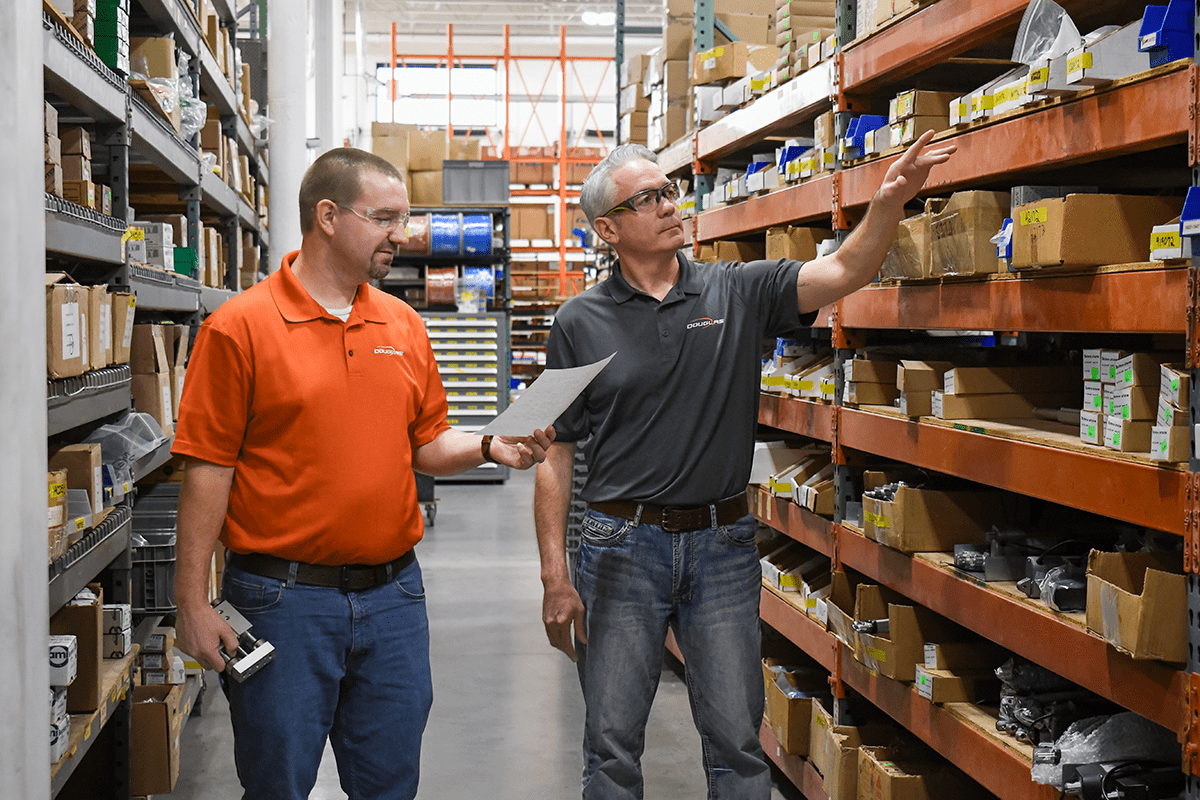
Douglas Service Technician working on machine

Problems / Challenges

How Quickly Can I Get a Service Technician to My Site?

Get realistic timelines for emergency and planned service, plus practical steps that can reduce delays by days.

Read more »

Comparisons

Managing Replacement Parts for OEM Equipment: Choosing the Right Partner Model

Break down the real-world pros, cons, and risks of sourcing parts from OEMs, distributors, or directly from component manufacturers.

Read more »

Comparisons

U.S.-Made vs. Imported OEM Packaging Equipment: Which Is Actually Better in the Long Run?

Get a side-by-side breakdown of what makes one operation more cost-effective than the other—in terms that refelct the realities of manufacturing operations.

Read more »

« »
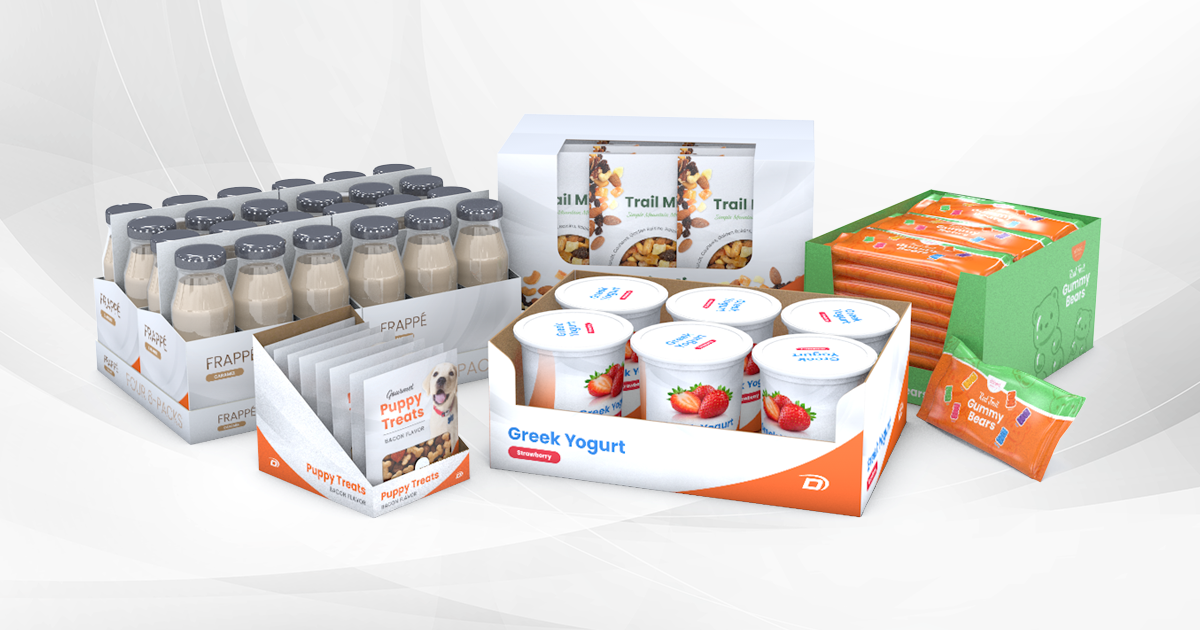
Beverage bottles, snack pouches, yogurt tubs, and candy bags in retail-ready packaging

Secondary Packaging 101

Retail-Ready Packaging: What It Is and What It Means for You

Retail-ready packaging (RRP) means that a single case must protect the product, and present and sell to retailers and customers. We’ll explain RRP and “The Five Easies,” and what they mean for your line.

Read more »

Puzzle pieces linking together the words filler, accumulation, case packer, sealer, and palletizer

Secondary Packaging 101

Packaging Line Integration: What Determines Success?

Packaging line integration is not only machine performance, but also handoffs and effectiveness as a single system. We’ll explain the three factors of a well-integrated line and address the question of performance accountability.
Read more »

Icons indicating the three sustainability drivers: right-sizing, material reduction, and recyclable and fiber formats

Problems / Challenges

Sustainable Secondary Packaging: Strategies to Reduce Waste and Improve Efficiency

Sustainable secondary packaging is done through three drivers: right-sizing, reducing, and choosing more recyclable materials. We’ll explain how these factors impact your line, and how sustainability tends to cut both cost and footprint.
Read more »

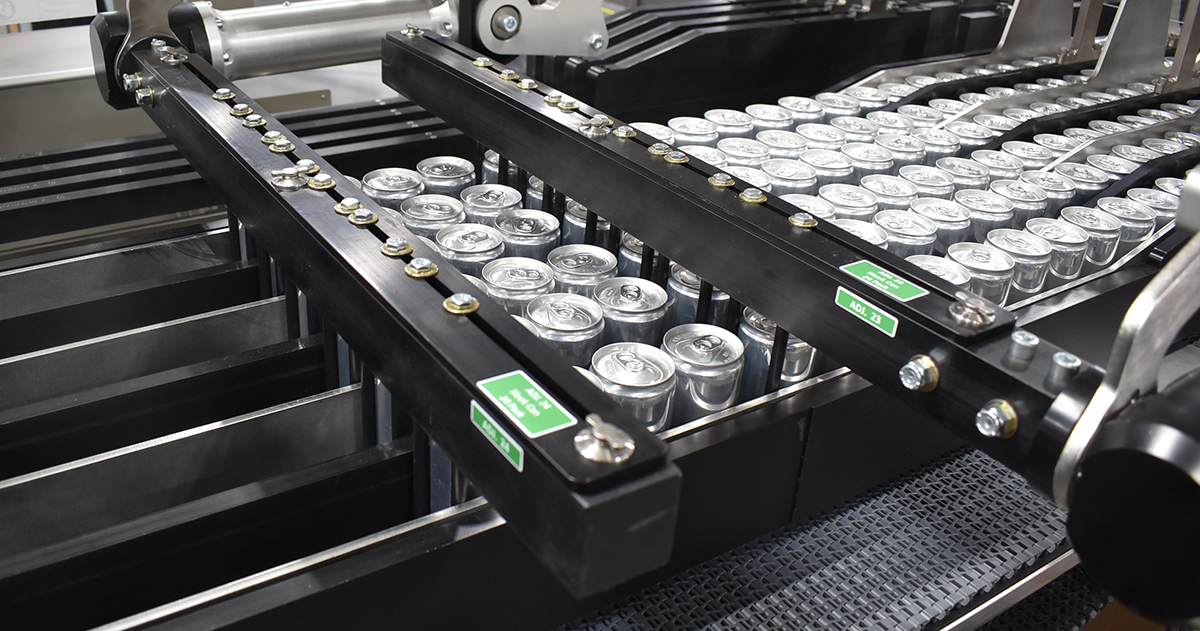
Close-up of change parts on a beverage packing machine

Secondary Packaging 101

What Are Change Parts in Packaging Equipment? A Complete Guide

The physical components swapped off-of and onto machines during changeovers are change parts. We’ll help you understand how these tools quietly drive changeover time, cost, and flexibility; as well as how machine type alters their impact.
Read more »

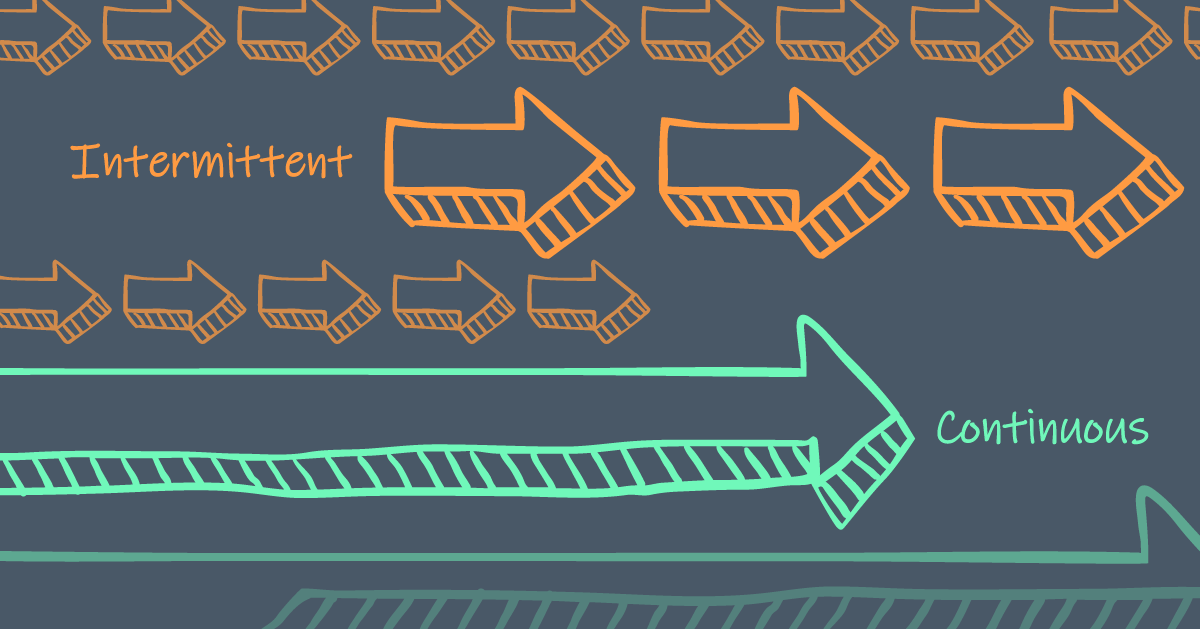
Illustration of dashed arrows indicating intermittent motion and one long arrow indicating continuous motion

Comparisons

Intermittent vs Continuous Motion Packaging Machines: What’s the Difference?

Packaging machines move either intermittently or continuously. We’ll help you understand both types of motion and how they impact things like cost, speed, product handling, and changeovers.

Read more »

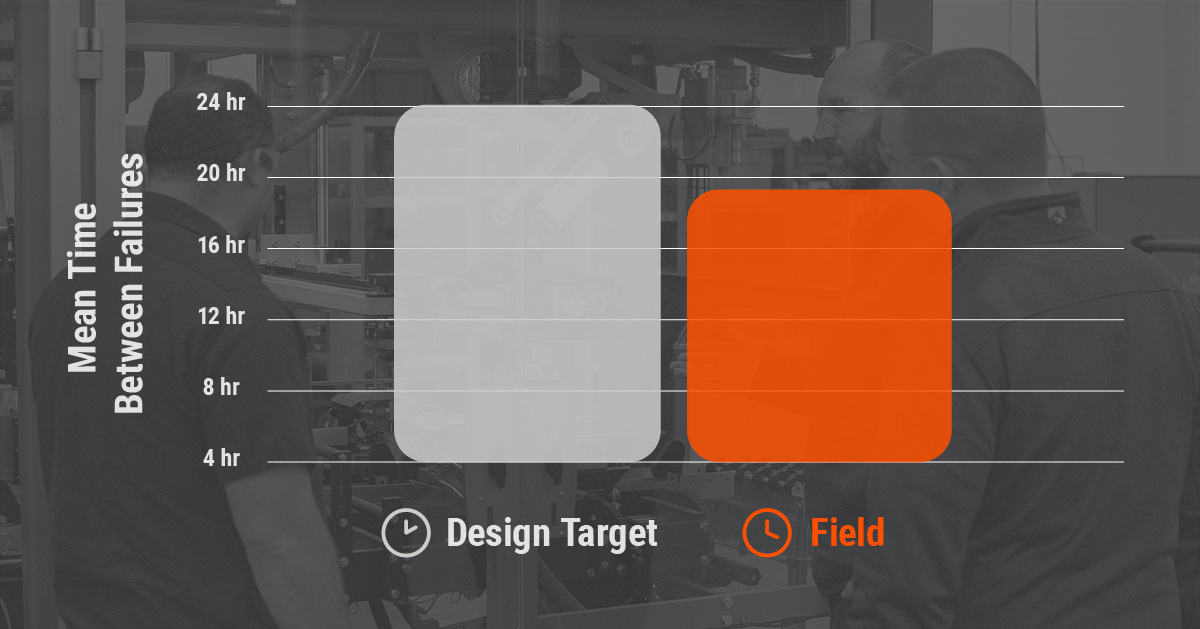
Graph showing mean time between failures with design-target mean time at 24 hours and field-tested mean time at 19 hours

Secondary Packaging 101

What is MTBF (Mean Time Between Failures)?

MTBF is a common spec sheet number, and one that many buyers don’t understand. We’ll outline what MTBF is, how to calculate it, and what it means for your line.

Read more »

« »