Learning Center

Whether you’re looking for solutions to specific challenges or wanting to deepen your overall knowledge of secondary packaging, our Learning Center is designed to give you the resources to make confident decisions about your secondary packaging systems.
Hide/Show Filters
Filter by Category
Filter by Topic
Filter by Type
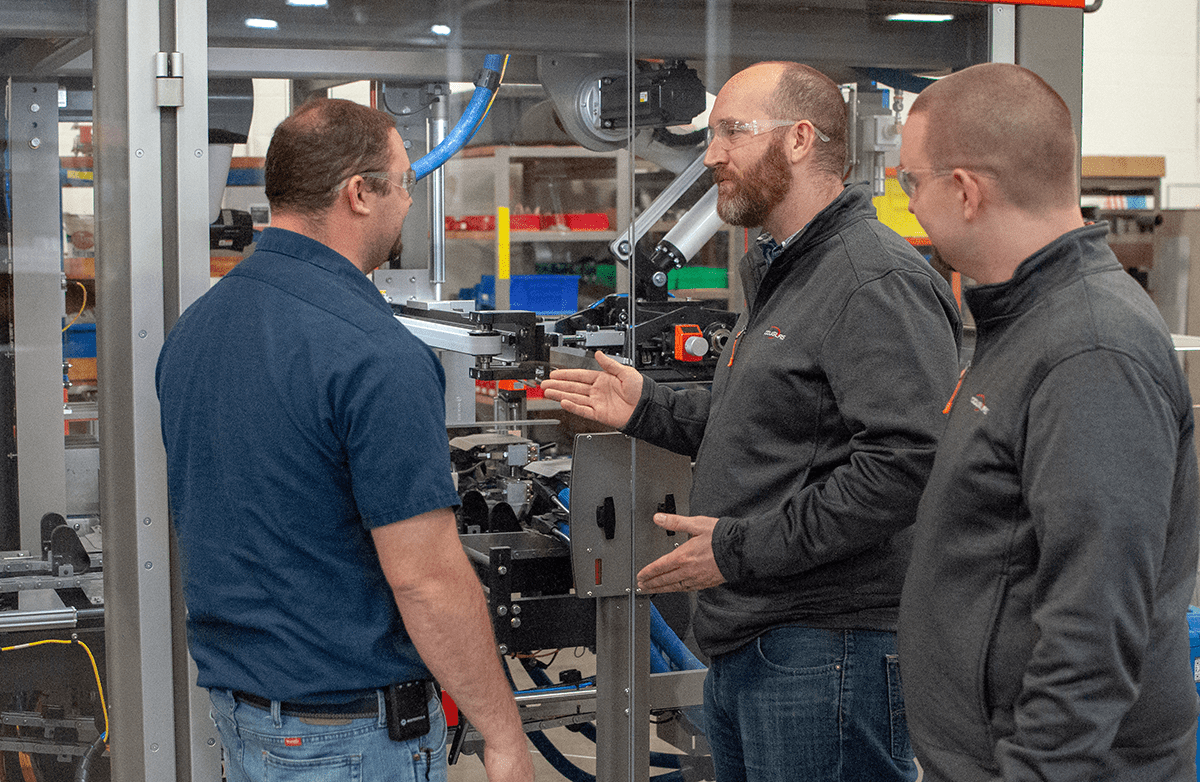
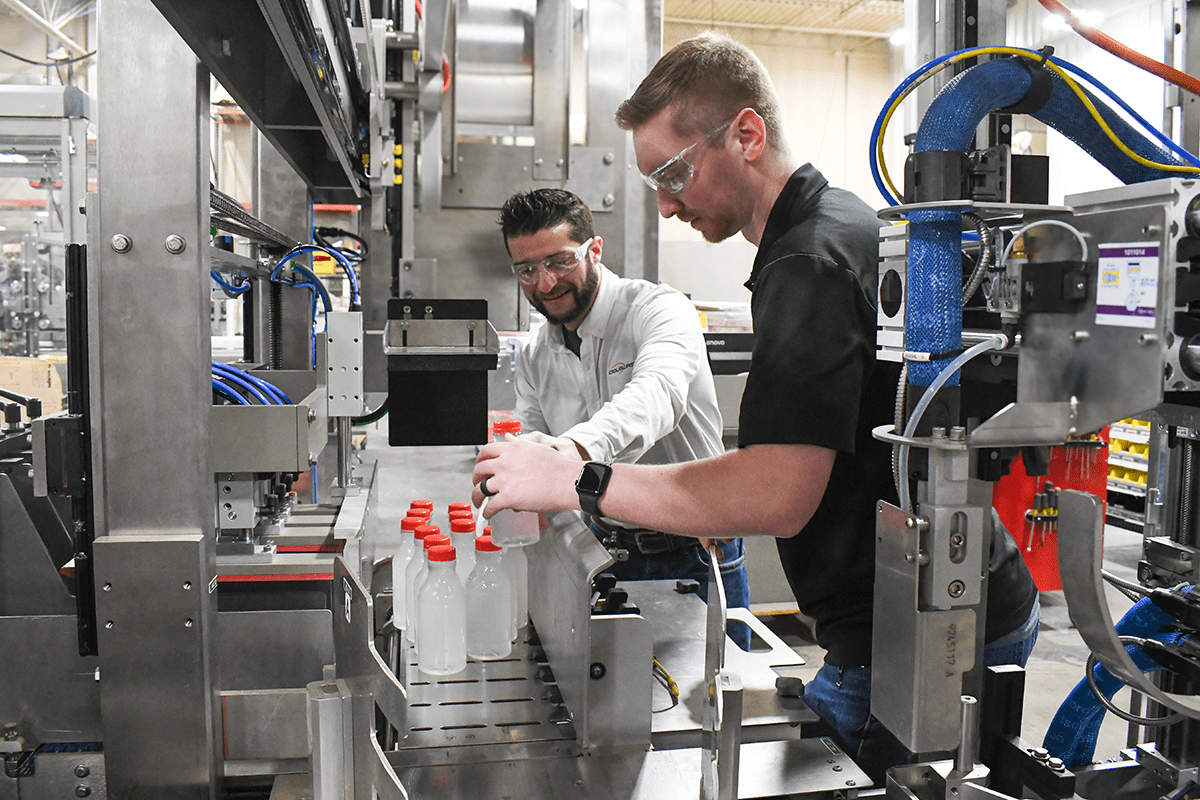
Two men working by a packaging machine

How-To, Problems / Challenges

Why Packaging Line Startups Fail — And How to Achieve Vertical Startup

Learn why most CPG packaging startups fail, how world-class companies use FAT and SAT to prevent performance dip, and practical steps you can take to achieve vertical startup.

Read more »
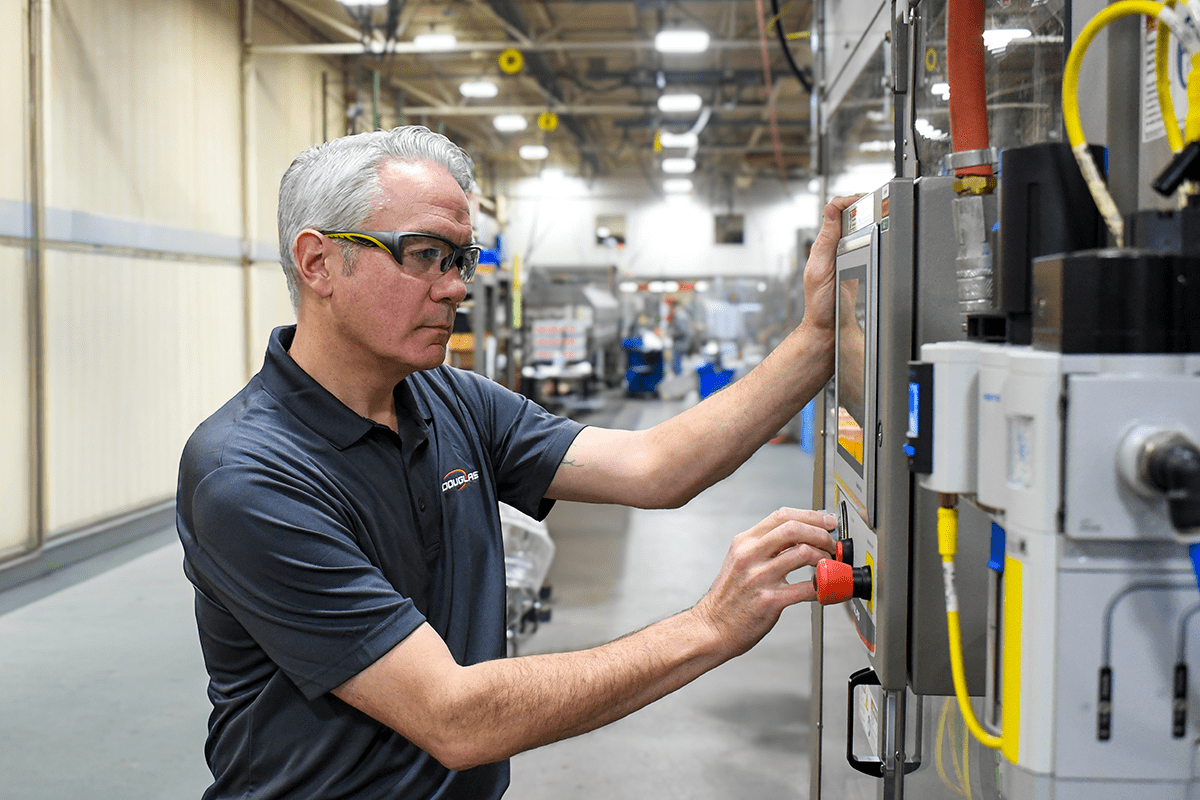
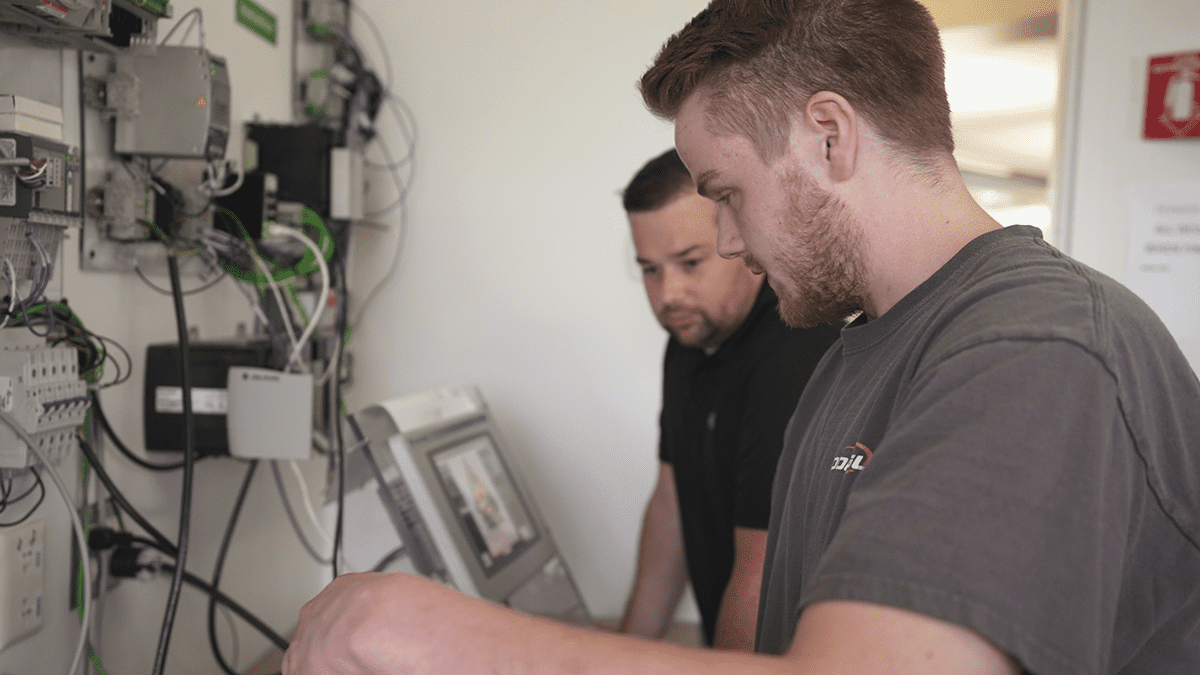
Man working on HMI at machine

Problems / Challenges

The Packaging Risk Nobody Budgets For: Retiring Expertise

Learn the 5 risks of retiring expertise, the leading indicators to watch out for, and what helps reduce the risks.

Read more »

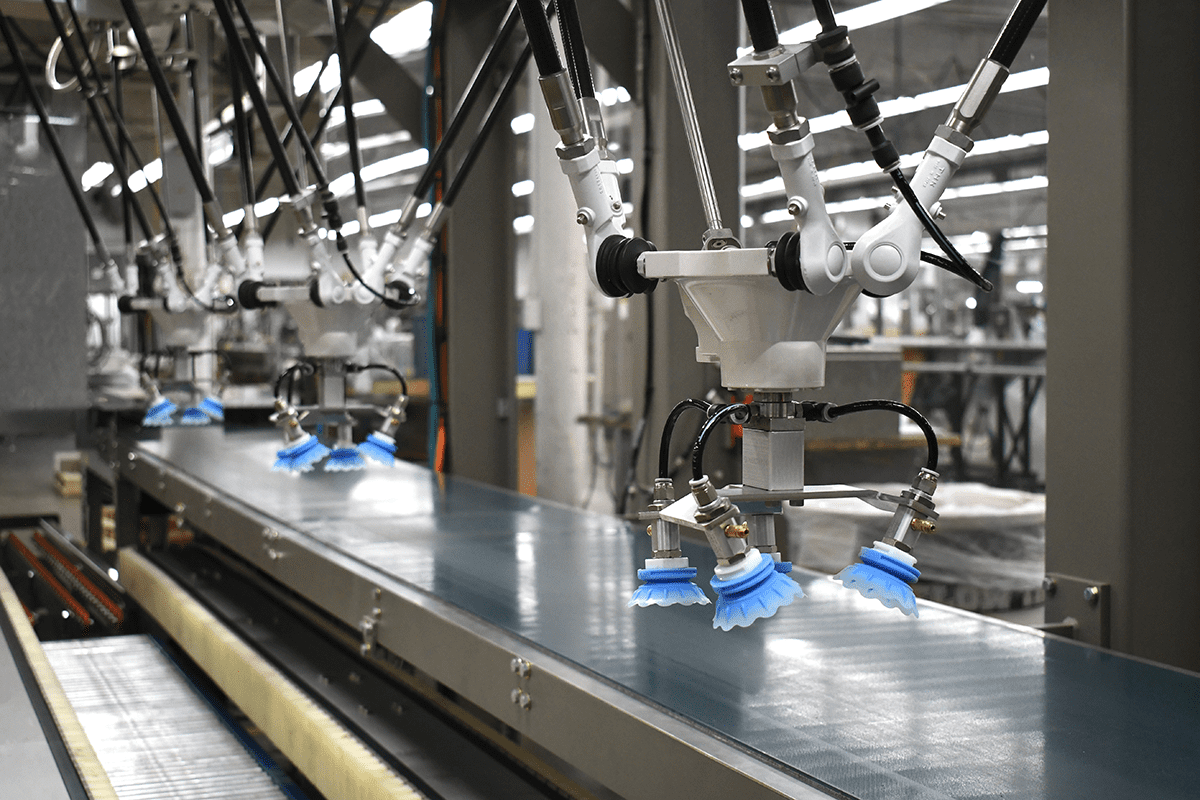
Robotic arms on a secondary packaging machine

Problems / Challenges

Robotic vs Traditional Packaging Automation: When Are Robots The Right Choice?

Learn the strengths and weaknesses of robotic systems as a secondary packaging solution. Then evaluate whether one is right for your line, and learn a framework for proving ROI.

Read more »

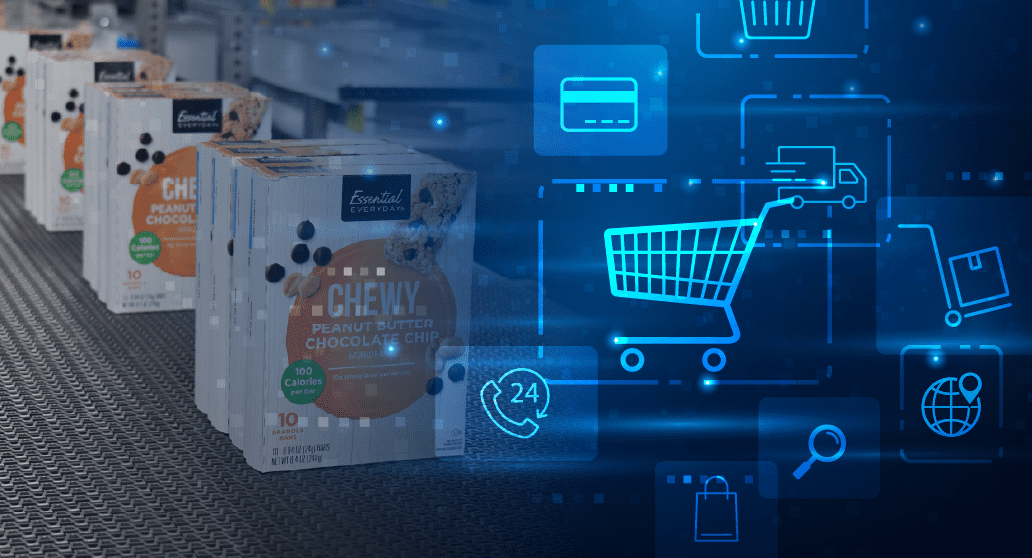
Secondary Packaging for E-commerce

How-To, Problems / Challenges

5 Metrics Every CPG Manufacturer Must Master for Omnichannel Packaging Success

Learn how e-commerce is changing end-of-line packaging, why traditional KPIs fall short, and how to realign your packaging strategy to meet e-commerce head-on.

Read more »

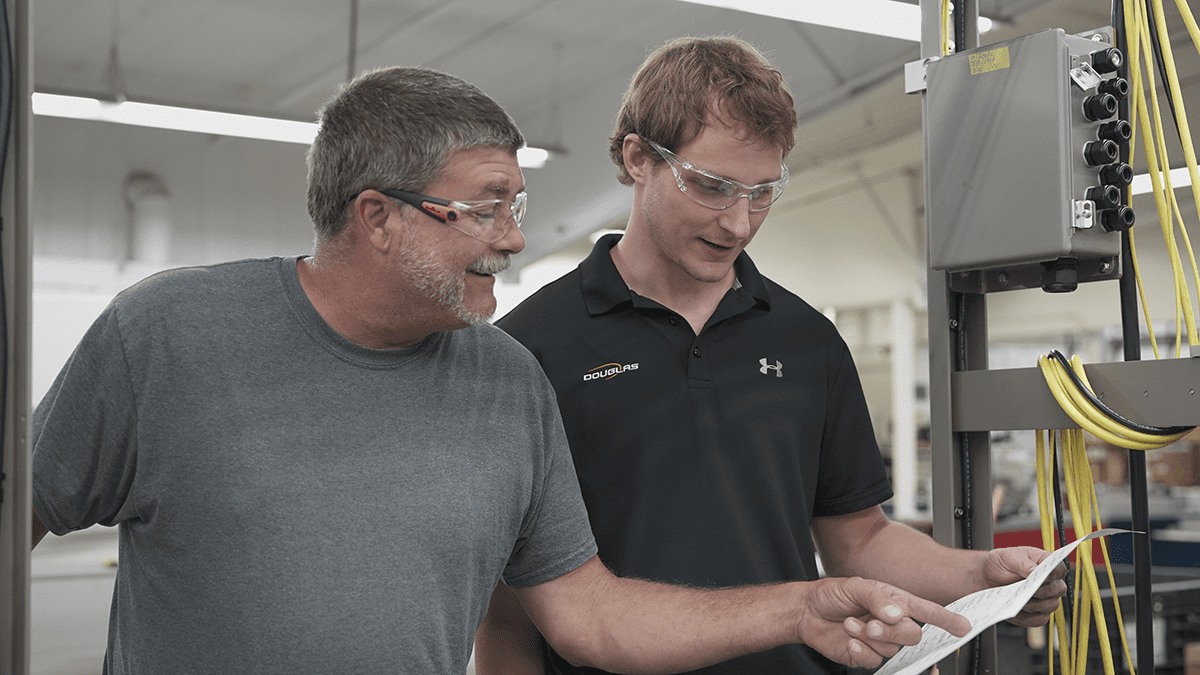
Two people at machine looking at document

Problems / Challenges

The CPG Startup Readiness Checklist: 25 Questions to Prevent the Performance Dip

Get a 25-question readiness checklist spanning FAT, SAT, training, OEM relationships, and startup ownership – so you can identify gaps before they turn into downtime.

Read more »

People talking around a packaging machine

Problems / Challenges

Which FAT Shortcuts Most Reliably Predict a Painful Commissioning?

Learn which FAT compromises are survivable, which almost guarantee pain, and where that risk will surface once the equipment hits your floor.

Read more »

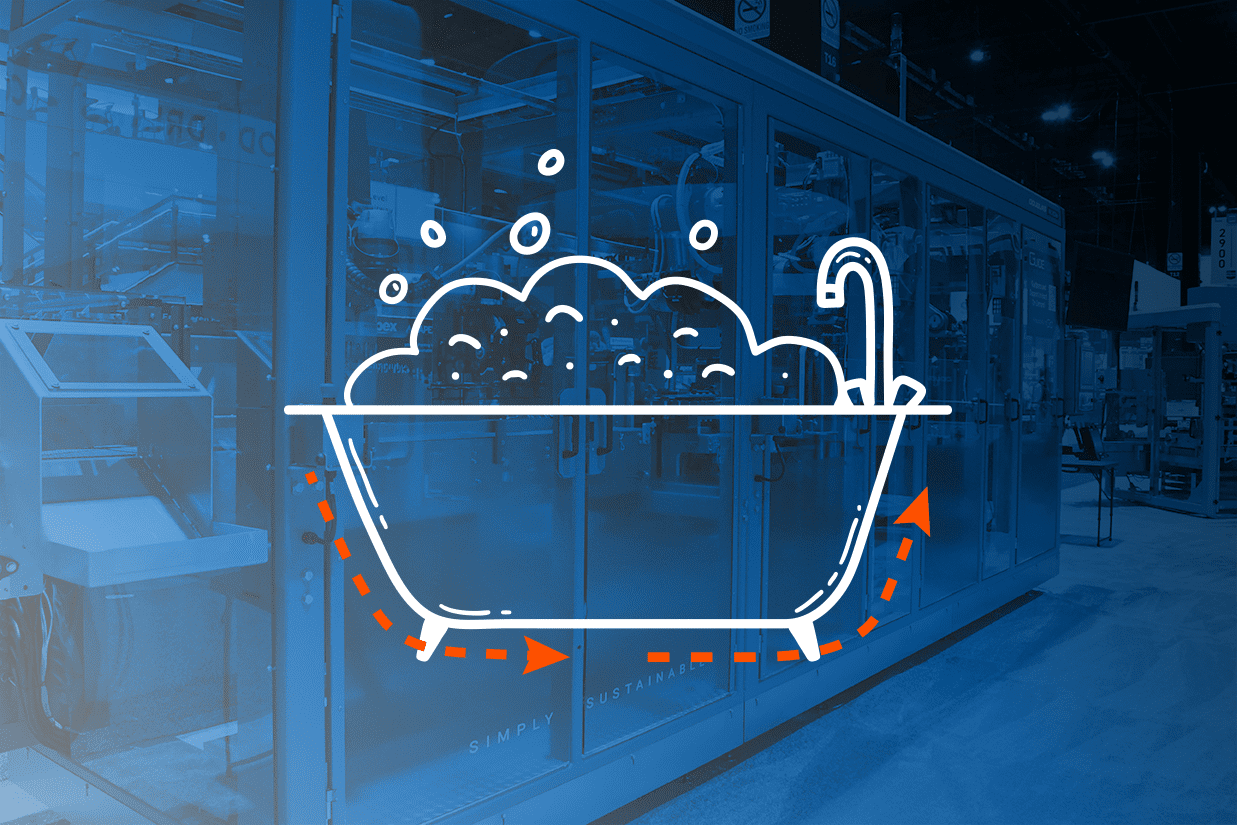
Equipment Bathtub Curve illustration

Problems / Challenges

Equipment Failure and the Bathtub Curve: How to Extend the Life of Your Machines

Learn what the bathtub curve tells us about equipment failure, why many machines age out faster than they should, and how top-performing plants extend the “useful life” phase.

Read more »

Techinician working on electronic controls for machine

Problems / Challenges

Electronic Controls Upgrades: A Practical Guide to Managing Obsolescence

Learn why controls go obsolete, how to reduce your risk, and which upgrade path offers the best ROI—based on your situation, not just your budget.

Read more »

TCO (Total Cost of Ownership) Mindmap

Cost & Price

What Actually Drives Secondary Packaging TCO (Ranked by Impact)

Learn where total cost of ownership is actually created—so you know where to spend time, where to push vendors, and where cutting corners will cost you later.

Read more »

« »
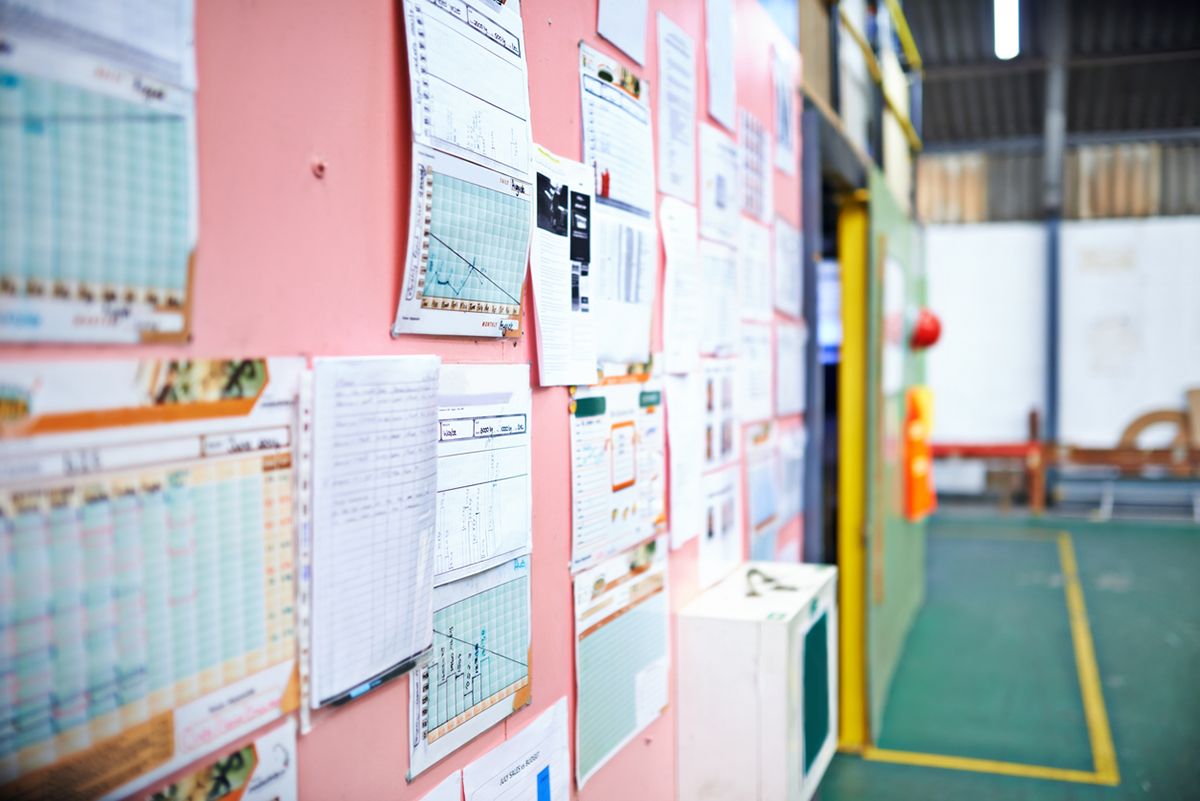
Colorful charts and documents on wall

Problems / Challenges

Packaging Equipment Project Timelines: Why They Range from 4 to 18 Months

Understand which dependencies are on the critical path and the cost/benefits of timeline compression so you can negotiate timelines that protect both schedules and production success.

Read more »

Two engineers collaborating at a desk

Secondary Packaging 101

URS, FDS, and FRS: A Buyer’s Guide to Packaging Project Specifications

Understand the roles of these three core specification documents and when each one is required so that you can save your project from FAT failures and costly rework.

Read more »

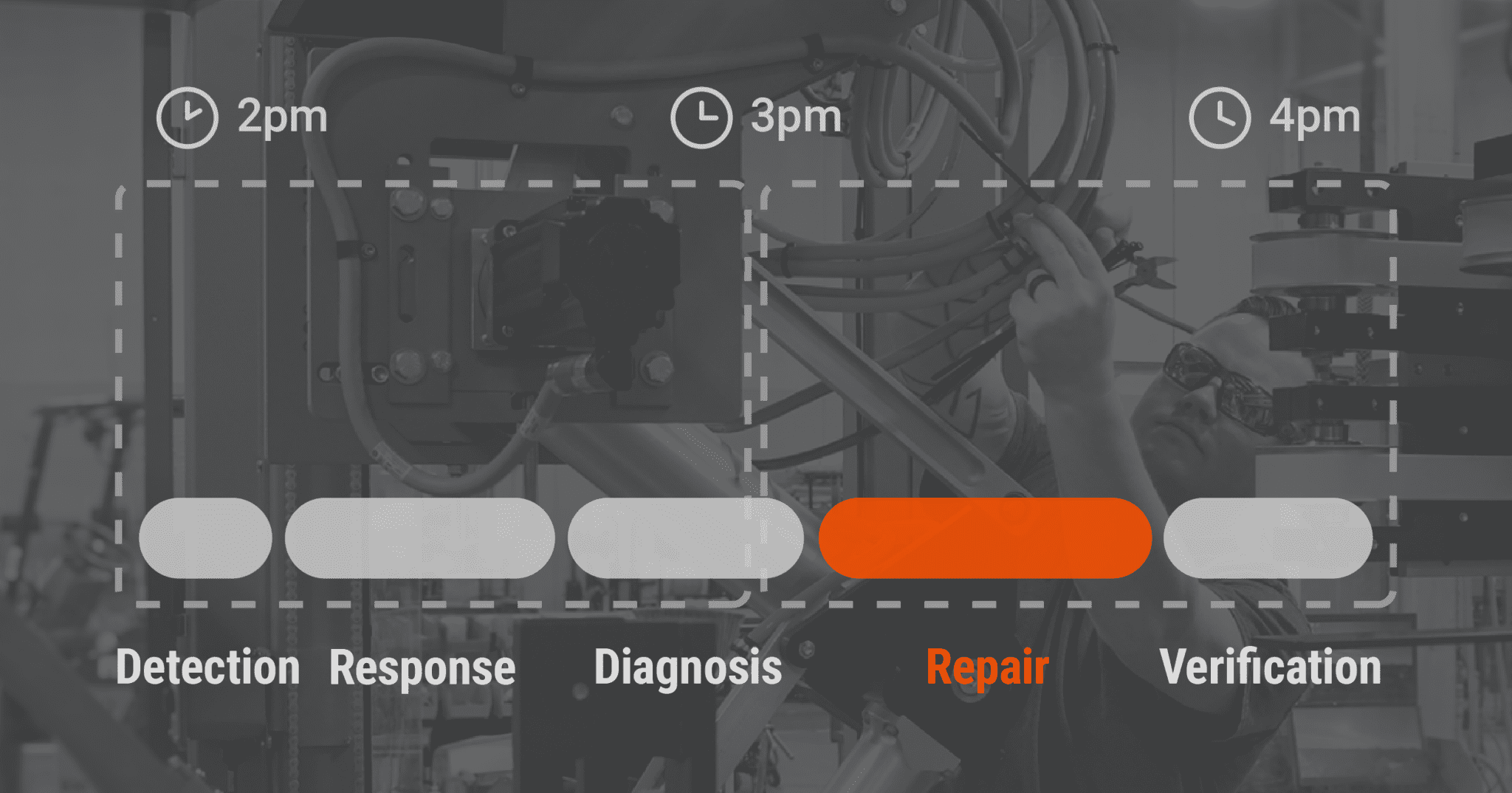
Maintenance process timeline with repair highlighted

Secondary Packaging 101

What Is Mean Time to Repair (MTTR) and What Drives It Up or Down?

Understand MTTR along with its components and drivers so you can identify where downtime actually happens and where to focus improvement effort for the fastest payback.

Read more »

Douglas representative sitting at desk with laptop and headphones on a video call

Comparisons

Remote Service vs Remote Monitoring: What Your OEM Actually Delivers

Understand the difference between remote monitoring and remote service and how these things affect how you budget, manage security, and partner with your OEM.

Read more »

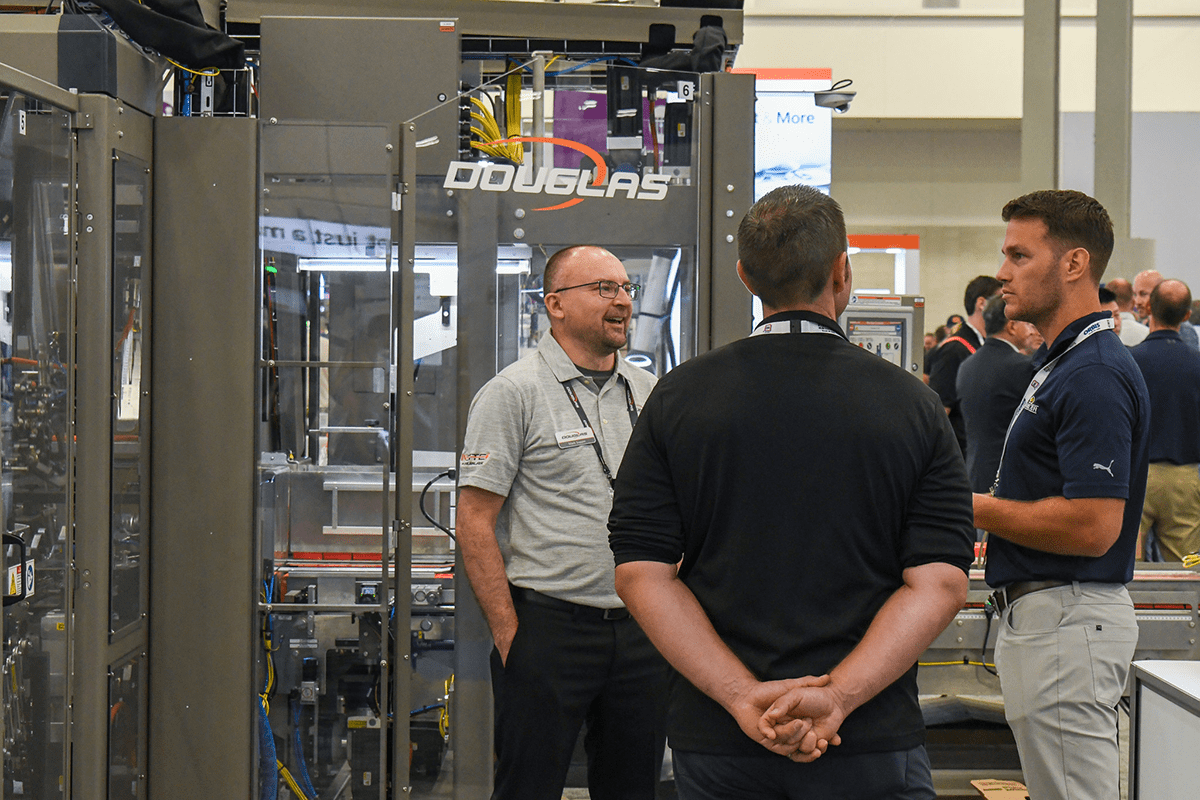
Group of people standing and having a conversation by a packaging machine

Comparisons

OEM vs. System Integrator: Which One Should You Hire?

One company builds the machines. The other ties the line together. Here’s how to tell which is right for your project — and why “both” is often the real answer.

Read more »

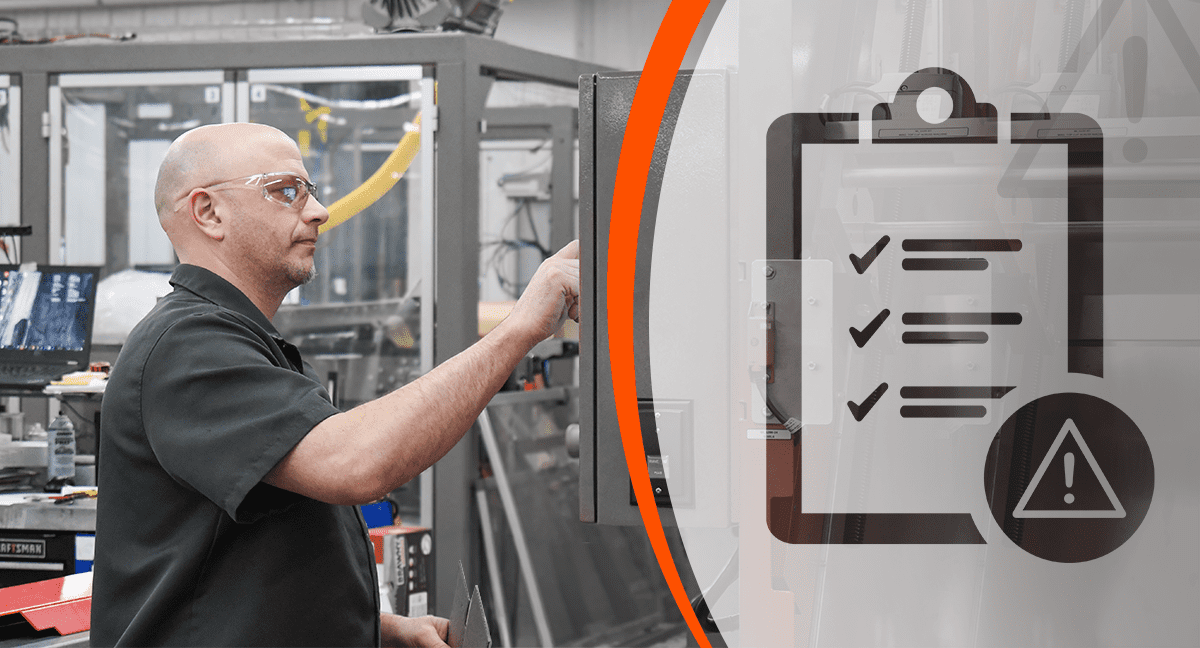
Operator working on a machine's HMI, with a large checklist icon overlay

Secondary Packaging 101

What Is a Machine Risk Assessment and Who’s Responsible for It?

Machinery risk assessment is a multi-stage process where OEMs, integrators, and end users each assess different hazards. Understanding who is responsible for what, prevents safety gaps.

Read more »

« »