Learning Center
Whether you’re looking for solutions to specific challenges or wanting to deepen your overall knowledge of secondary packaging, our Learning Center is designed to give you the resources to make confident decisions about your secondary packaging systems.
Filter by Category
Filter by Topic
Filter by Type
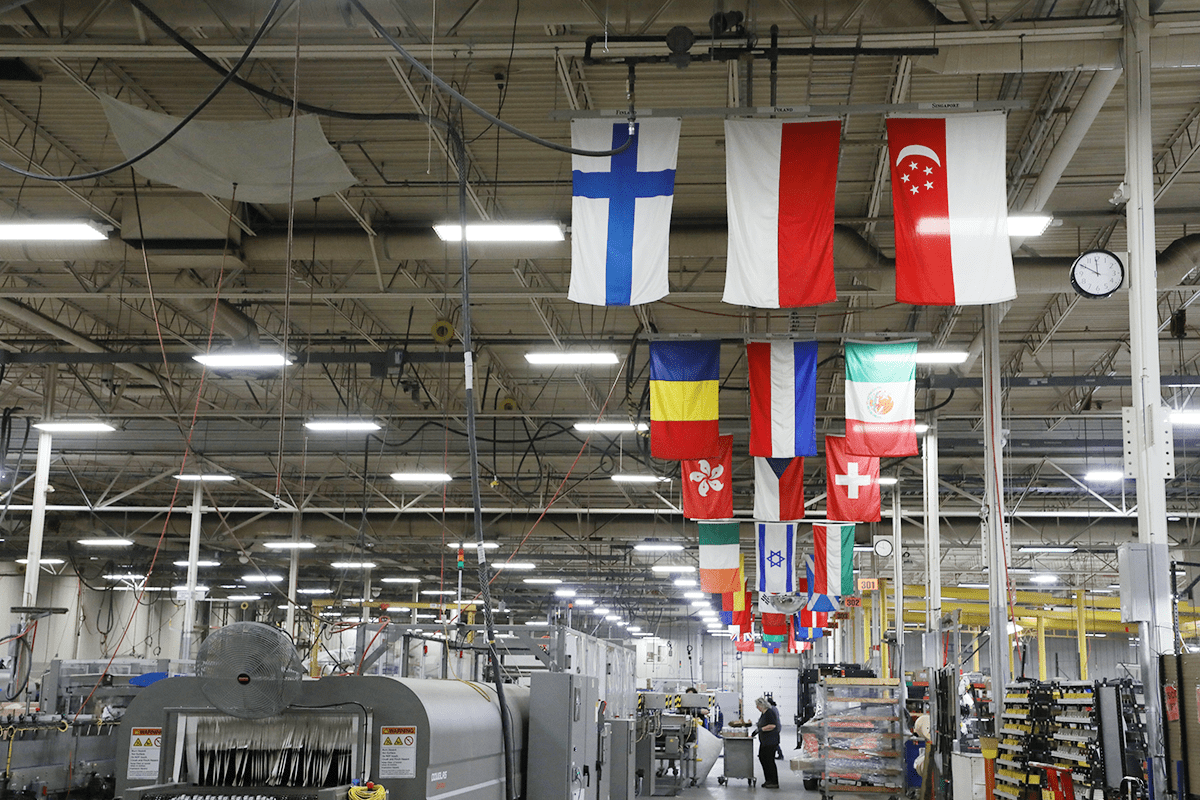
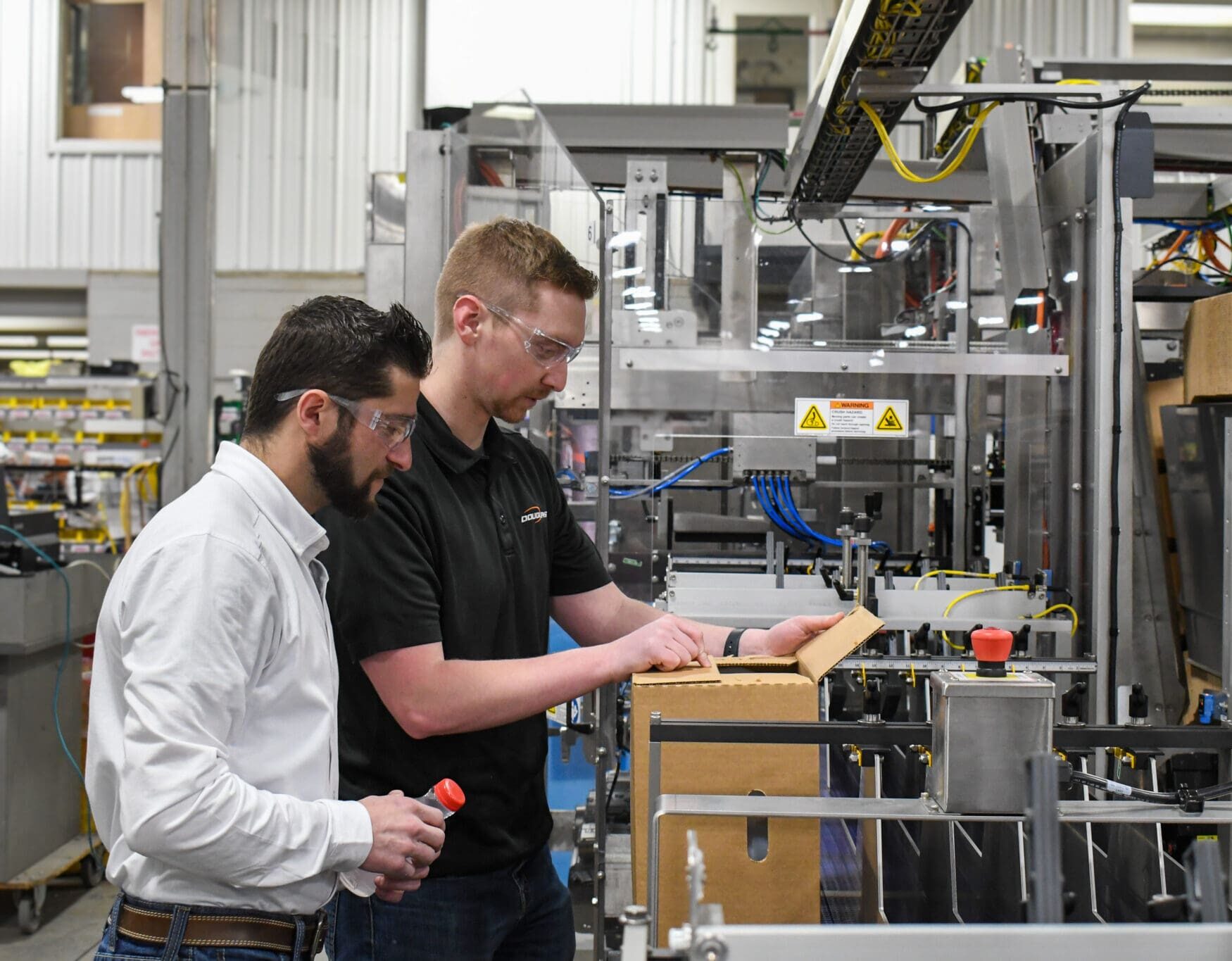
Cost & Price
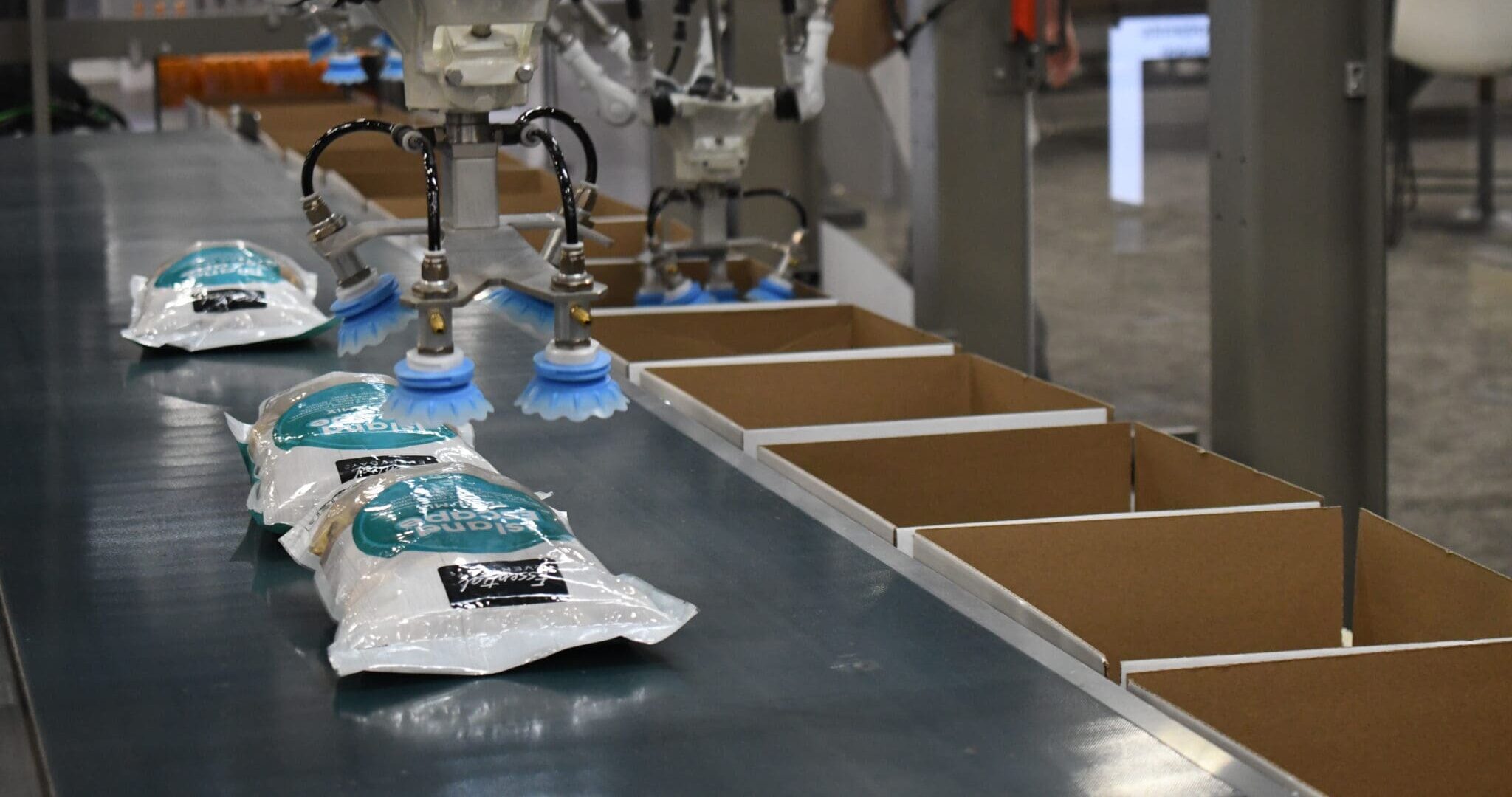
What Drives the Cost of Packaging Automation for Pouches and Bags? 7 Factors That Affect Price
While some cost factors can be generally applied, packaging automation for pouches and bags has its own set of cost drivers. This guide will highlight these factors, so you have a more informed buying experience.

How-To
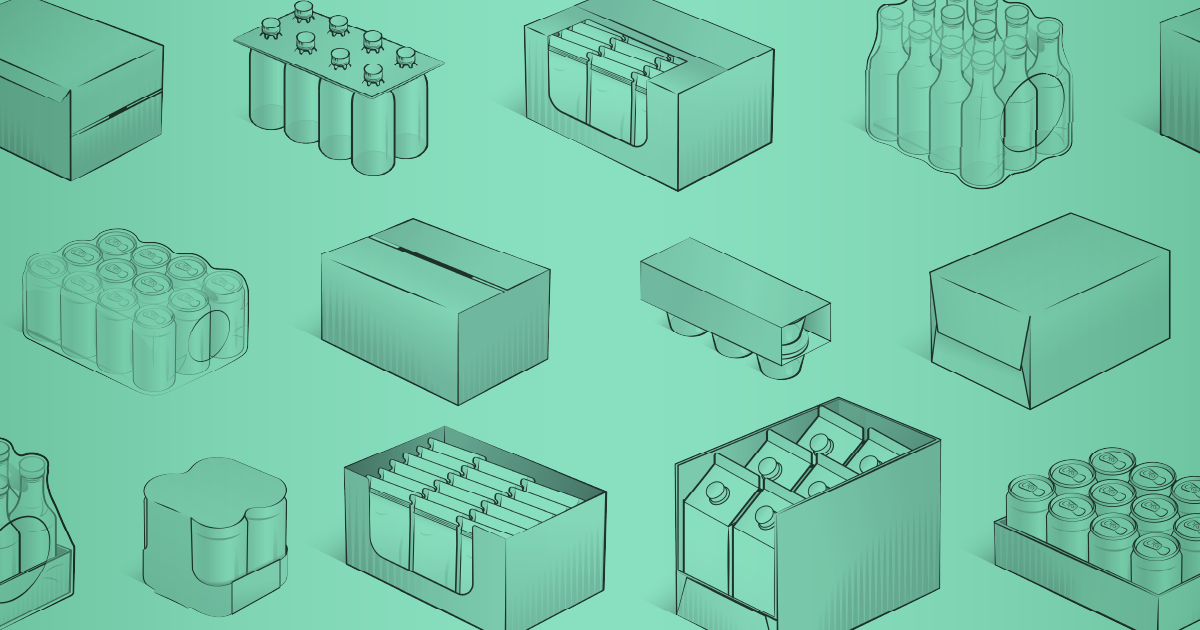
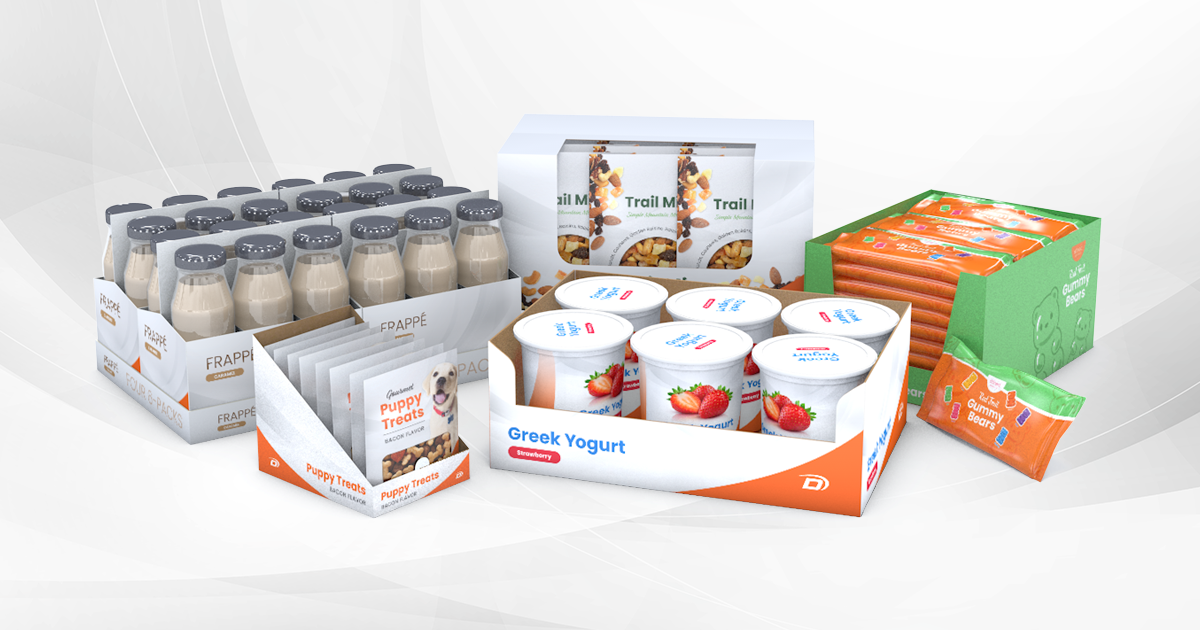
How to Choose the Right Secondary Packaging Format for My Product?
Before exploring automated secondary packaging options, you need to select a packaging format: case, tray, carton, shrink film, multipack or variety pack. We’ll explain these formats, as well as the four factors that make your decision.

Secondary Packaging 101
Packaging Line Integration: What Determines Success?
Packaging line integration is not only machine performance, but also handoffs and effectiveness as a single system. We’ll explain the three factors of a well-integrated line and address the question of performance accountability.
Problems / Challenges
Sustainable Secondary Packaging: Strategies to Reduce Waste and Improve Efficiency
Sustainable secondary packaging is done through three drivers: right-sizing, reducing, and choosing more recyclable materials. We’ll explain how these factors impact your line, and how sustainability tends to cut both cost and footprint.
Secondary Packaging 101
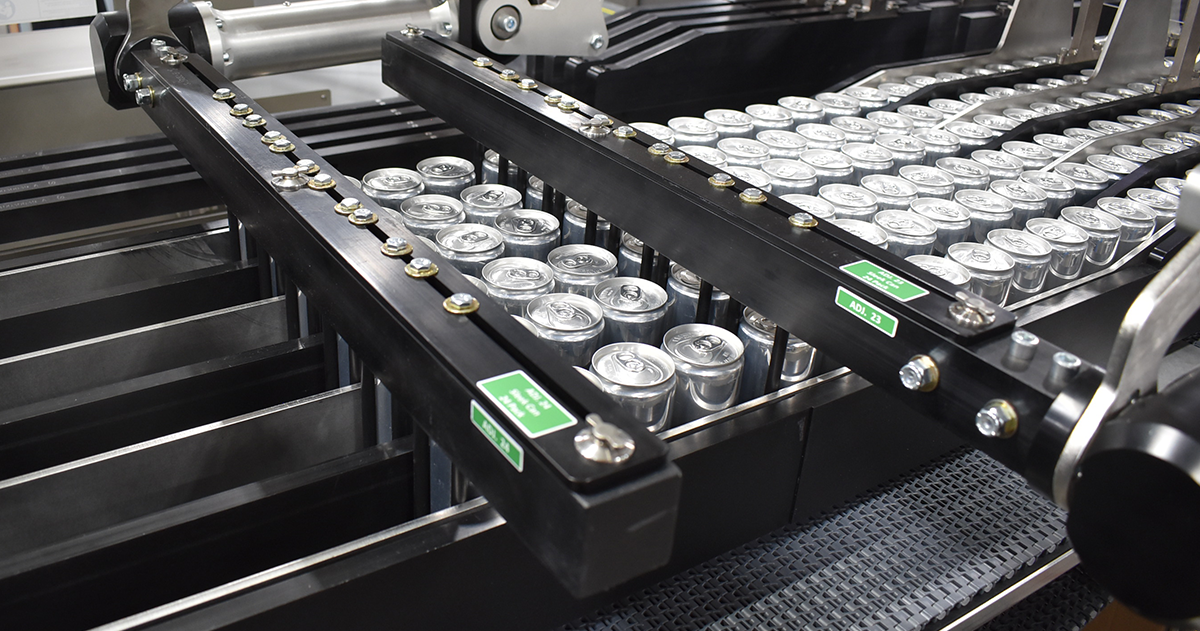
What Are Change Parts in Packaging Equipment? A Complete Guide
The physical components swapped off-of and onto machines during changeovers are change parts. We’ll help you understand how these tools quietly drive changeover time, cost, and flexibility; as well as how machine type alters their impact.