Introduction
At some point in almost every capital equipment conversation — whether you’re a plant manager presenting to a CFO, a line engineer putting together a project justification, or a maintenance manager trying to quantify the cost of doing nothing — someone asks the same question:
“What’s something like this actually going to run us?”
It’s a fair question, and a complicated one. Shrink wrap systems are not a commodity purchase. The price you pay is shaped by what your line needs to do, how fast it needs to do it, and how much flexibility you’re building in for where your business is headed.
This article cuts through the noise by giving you real budgetary ranges across the most common shrink wrap system configurations, and — just as importantly — a clear picture of what moves those numbers. Use it to pressure-test a vendor quote, build an internal business case, or simply get oriented before your first conversation with a supplier.
What Is the Starting Price of a Shrink Wrap System?
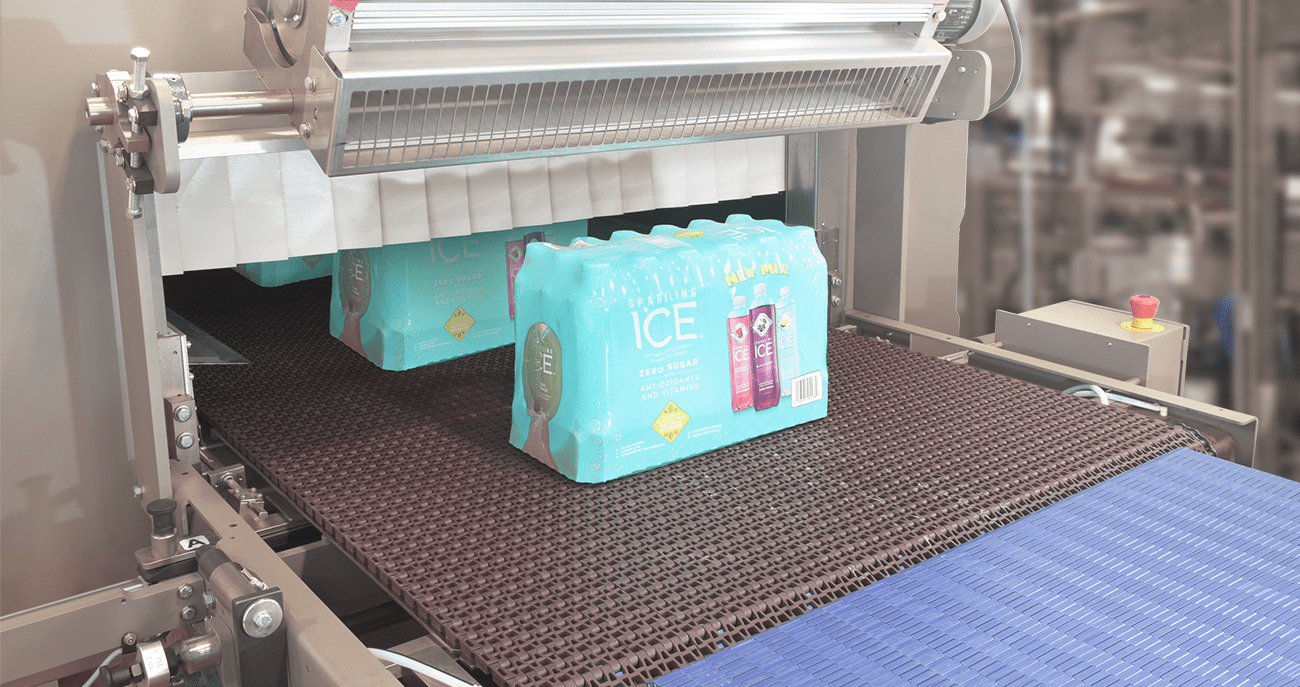
Shrink wrap systems cover a wide spectrum depending on what the machine is actually being asked to do. The entry point — a bare-bones wrapper handling product that’s already in a tray — starts around $330,000. At the other end, a fully integrated, high-speed shrink packer that also forms the tray can push past $1,100,000 before a single option is added. The table below breaks that range down by system type so you can quickly find the configuration most relevant to your application.
Shrink Wrap System Budget Price Ranges by Configuration
Shrink Wrapper Only
Film-only wrapping of pre-trayed product
Wraps an already-trayed product with shrink film. No tray forming included.
25-105
$330,000 – $580,000
Tray Packer Only
Product collation and tray loading, no shrink
Places product into a tray. No shrink film applied.
30-105
$425,000 – $740,000
Shrink Packer – Integrated
Tray forming + shrink wrapping in 1 system
Combines tray packing and shrink wrapping in a single integrated line.
30-105
$785,000 – $1,100,000
Multiwrappers
Bundle wrapping without a tray
Wraps product bundles in film without a corrugated tray. Often used for multi-packs.
30-105
$600,000 – $900,000
Note: All figures above reflect bare-bones machine pricing — no optional features, no added automation, no special configurations. Think of these as a floor, not a ceiling. The sections below explain the factors that move the number from there.
What Drives Up the Price of a Shrink Wrap System?
The base price gets you a machine that can produce a package. Everything beyond that — faster speeds, more pack-pattern flexibility, reduced changeover time, better repeatability — comes at a cost. Here are the factors that matter most:
1. Speed Requirements
Speed is the single greatest cost lever in shrink wrap system pricing. Moving from one platform tier to the next isn’t just a mechanical upgrade; it’s a step change in system complexity and build cost.
Speed also directly dictates how long your shrink tunnel needs to be. Three variables determine tunnel length:
Depending on the combination, tunnels can range from 8 feet to 24 feet. Cross the 16-foot threshold and an additional heater bank is required, which alone represents a substantial line item on the quote.
BUYER’S TIP
Speed requirements that aren’t grounded in real production data are one of the most common sources of budget overruns in packaging capital projects. Before specifying a platform tier, validate your required throughput against your actual line rates — not theoretical maximums. A platform step you don’t need can add tens of thousands of dollars with no operational return.
2. Package Type: Film Only vs. Tray + Film
For CPG producers managing multiple SKUs or retail channel requirements, the ability to run film-only (tray-free) bundles alongside tray-plus-film packs can seem like a straightforward add-on. It isn’t. Film-only capability requires three separate modifications compared to a standard tray-wrap configuration:
Buyers who don’t flag this requirement early often encounter a significant cost surprise — or find themselves working around a machine that can’t do what the business eventually needs it to do.
BUYER’S TIP
If film-only capability is even a possibility on your product roadmap, surface it early — ideally before the first quote. Retrofitting a machine for film-only after it’s been built and installed can cost two to three times what it would have added upfront. This is a decision worth escalating to your commercial or marketing team before you finalize the spec.
3. Number of Tested Sizes & Changeover Complexity
Each fully tested size can add anywhere from $15,000 to $25,000 to the machine price; each additional change-part kit can run ~ $5,000. For co-packers or large CPG operations with wide product portfolios, this can escalate quickly — especially when the production schedule isn’t fully locked in at the time of purchase and the instinct is to test everything “just in case.”
The reality is that after a year of running a machine, most experienced operators can dial in a new size on their own with minimal new parts. What sounds like future-proofing at the time of purchase can end up as sunk cost on sizes that never ship.
BUYER’S TIP
Work with your Sales and Operations teams to identify the SKUs you’re committed to running in the first 12–18 months, and spec the machine around those. Balance the need for “someday” sizes against the added price of incorporating them into the original buildup vs. the cost of adding later in the field. (There is a tradeoff here that only you can judge, but OEM team members will be happy to walk with you through this exploration.)
4. Automation & Changeover Options
Several available options shift manual adjustment points to automated or digitally guided ones. These don’t just reduce changeover time — they reduce the variability that comes with operator interpretation, shift changes, and training gaps. For plants managing high turnover or running frequent recipe changes, this category of options often delivers the strongest long-term ROI of anything on the quote sheet.
Key options include:
BUYER’S TIP
When building the business case for automation options, factor in more than just changeover time. Consider the cost of startup scrap after a bad changeover, the time a maintenance manager spends troubleshooting an infeed that wasn’t quite set right, and the training time every time a line engineer or operator turns over. The ROI on repeatability is real — it just doesn’t always show up in the obvious places.
5. Facility-Driven Specifications
Every plant has its own set of standards — and sometimes those standards show up on a spec sheet in ways that add cost without adding proportional value. The most common example is electrical: requirements such as split voltage cabinets, door interlocks, or trap key systems can push a machine well beyond what’s covered under standard safety configurations.
These may be genuine requirements in certain regulated or high-risk environments, but in many cases the standard machine configuration already meets the facility’s actual safety needs. It’s worth having that conversation explicitly rather than inheriting a blanket spec from a previous purchase or a different machine class.
BUYER’S TIP
Before your electrical or safety requirements get baked into a quote, have your EHS and engineering teams validate them against what the machine already provides as standard. This review is especially worthwhile if your internal spec was originally written for a different type of equipment. Unnecessary custom electrical work is consistently one of the more avoidable cost adders in this category.
What Other Factors Can Affect the Final Price?
Your film spec isn’t just a procurement decision — it has a direct engineering impact on the machine. Three variables determine how long your shrink tunnel needs to be:
Printed films require more heat time than clear; thicker films need longer exposure. A longer tunnel means more physical machine, more energy consumption, and a higher purchase price. It’s worth involving your packaging materials team early in the specification process so film decisions and machine decisions are made together, not in sequence.
Facilities handling wet, acidic, or otherwise corrosive products — beverages, pickles, sauces — often have environmental conditions that can accelerate wear on standard machine components. Stainless steel infeed frames are often (but not always) standard on these systems, but broader corrosion-resistant packages covering additional sections of the machine are available at added cost.
It’s worth an honest assessment of your environment before defaulting to a full package: The right answer depends on where the machine actually lives on your floor, not a general facility classification.
Shrink tunnels are available with either electric or natural gas heating. For a CFO or plant manager thinking in terms of total cost of ownership, this is one of the more straightforward variables to evaluate: Compare your local electricity and natural gas rates, factor in projected runtime, and model the payback period on the gas option’s upfront premium.
In regions where gas is materially cheaper than electricity, the long-term operating savings can justify the added capital cost. In markets where that spread is narrow, electric may be the simpler choice.
One of the more common patterns in capital equipment purchasing — particularly in CPG environments where the innovation pipeline is always moving — is buying flexibility for future products that never materialize.
Multi-stream capability, carton-running configurations, and additional pack-pattern options can all be built in at purchase. The challenge is that these aren’t toggle switches. Adding carton-running capability after delivery, for example, would require a complete new side transfer and potentially a rebuilt infeed. Film-only capability retrofitted post-install follows a similar pattern.
The math on “buy it now vs. add it later” strongly favors including it upfront if there’s genuine intent to use it — but that’s a different calculation than buying it because the future is uncertain.
BUYER’s TIP
For any optional capability that isn’t tied to a specific product or project in the current plan, ask your vendor explicitly: What does it cost now vs. later? Then make a deliberate choice — not a hedge. The worst outcome is paying for a capability upfront that adds complexity and cost to the machine, and never turning it on.
What Does a Buyer Need to Consider Before Budgeting?
The most expensive part of any capital equipment project is often the rework that happens when the spec isn’t defined well enough at the start — whether that means a machine that can’t keep up with the line, a retrofit six months after installation, or a quote that balloons because requirements kept getting added. Getting alignment across stakeholders before going out to bid is worth the time it takes.
Here are the questions worth answering first:
The clearer your answers to these questions going in, the fewer surprises you’ll encounter when the quotes come back — and the better positioned you’ll be to compare them on equal footing.
Final Thoughts: Budgeting for a Shrink Wrap System
Entry-level shrink wrap systems start around $330,000 and can climb past $1,100,000 for a fully integrated, high-speed shrink packer before options are added. The wide range isn’t arbitrary — it reflects genuinely different system configurations with different outputs, different throughput capabilities, and different long-term cost profiles.
A few principles worth keeping in mind as you build your business case or evaluate quotes:
The right shrink wrap investment is the one that’s sized correctly for today’s production reality, built with enough flexibility for where the business is heading, and supported by a vendor you can count on when something goes wrong at 2 AM on a Saturday.