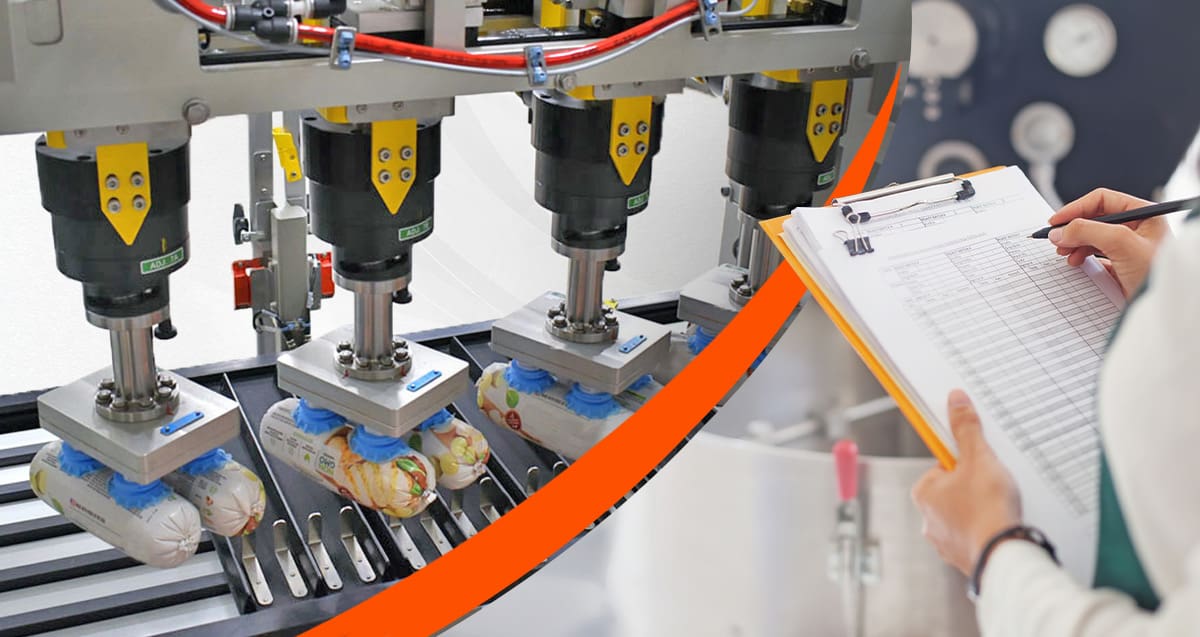
Introduction
What is sanitary design in packaging equipment? Sanitary design is a set of engineering principles that govern how equipment is constructed to facilitate cleaning, minimize contamination risk, and support food safety compliance. It’s a standard expectation in certain CPG segments — and largely irrelevant in others. Knowing which category your application falls into helps you avoid over-specifying (paying for features you don’t need) or under-specifying (creating regulatory or food safety exposure).
The Core Principles
Equipment designed to sanitary standards typically shares these characteristics:
-
1
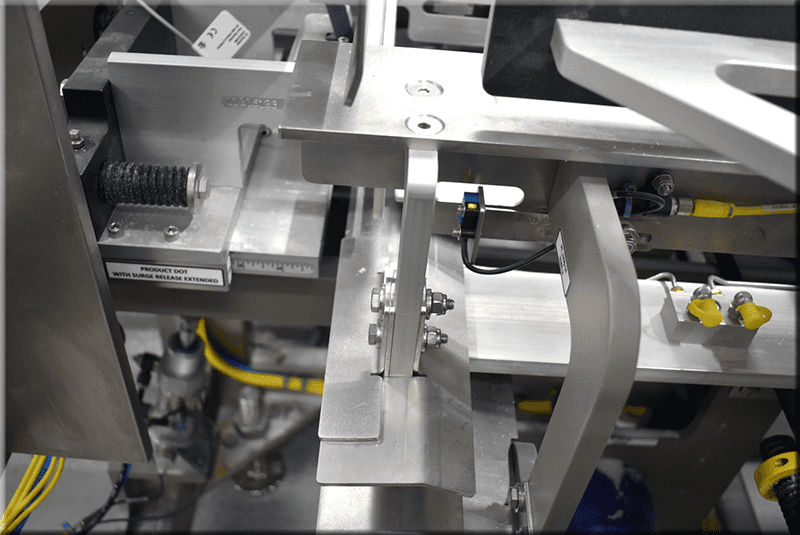
No hollow structural members that could harbor moisture, bacteria, or pests — or, where hollow sections are unavoidable, fully sealed
-
2
Smooth, crevice-free surfaces that can be cleaned without disassembly
-
3
Sloped horizontal surfaces so liquids drain rather than pool
-
4
Stainless steel construction in product-contact or wet-zone areas
-
5
Minimal horizontal ledges, threads, or recesses where residue can accumulate
-
6
Accessible design — components can be reached, cleaned, and inspected without special tools or prolonged downtime
When Sanitary Design Is Non-Negotiable
If your products are open to the environment during packaging — raw dairy, ready-to-eat foods, pet food — or if your packaging line is regularly wet-cleaned or sanitized with chemicals, sanitary design isn’t optional. Regulatory frameworks (FDA, USDA, FSMA) and industry standards (3-A, EHEDG) provide specific guidance on what’s required.
In these applications, the cost of non-sanitary equipment shows up as cleaning time, contamination risk, audit findings, and potential regulatory exposure.
When It’s Less Critical
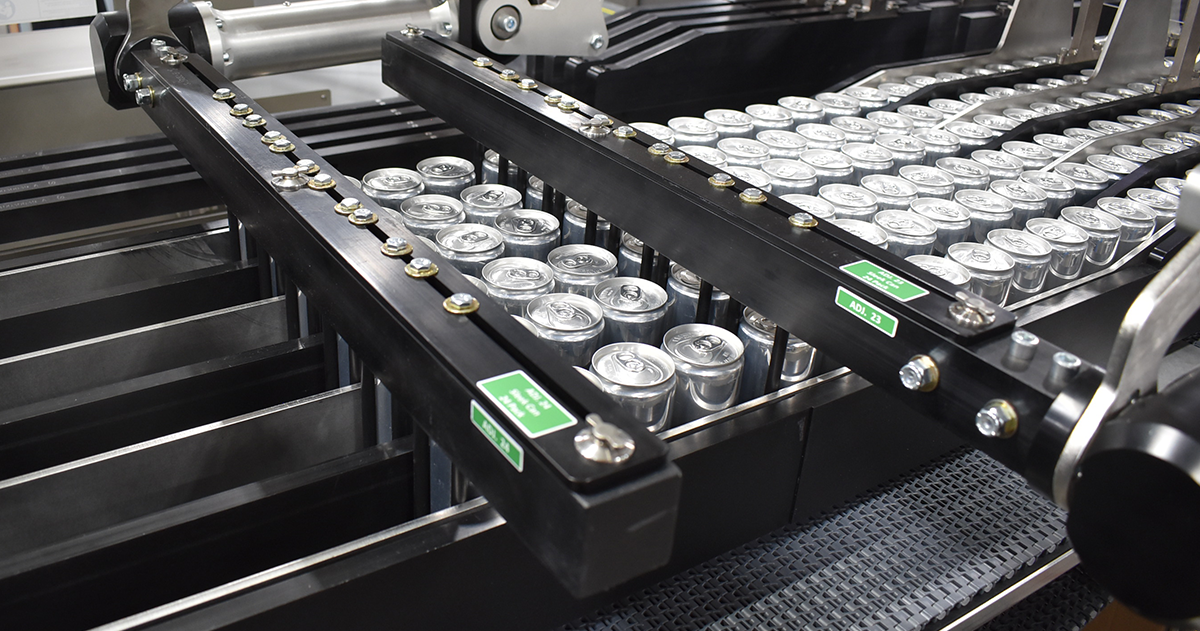
For secondary packaging applications where product is fully enclosed in primary packaging before it reaches the machine — think sealed beverage cans, shrink-wrapped multipacks, hermetically sealed pouches — the sanitary design requirements are substantially lower. The machine isn’t in direct or indirect contact with food, and wet cleaning isn’t typically part of the maintenance routine.
In these environments, over-specifying sanitary design adds cost without adding protection.
Asking the Right Question
Key Question
Is your product open or exposed to the environment at any point on this machine? If yes, sanitary design requirements apply. If no, standard industrial construction is typically appropriate.
When discussing equipment specs with an OEM, be specific about your cleaning protocols and any applicable regulatory requirements for your facility and product category. Vague requirements lead to vague — and often more expensive — design solutions.
Right-Sized Design for Your Application
Not sure where your application falls? Douglas consultants can talk you through compliance with sanitary requirements without over-specifying your line.