Introduction
Case packer vs tray packer – what’s the difference? If you’re evaluating secondary packaging equipment for the first time, or are trying to get your specs straight before a conversation with an OEM, this is a question that comes up occasionally. And it’s a fair one. The terminology gets used loosely and sometimes interchangeably, which only adds confusion.
Here’s a clean, no-jargon answer.
The Short Version
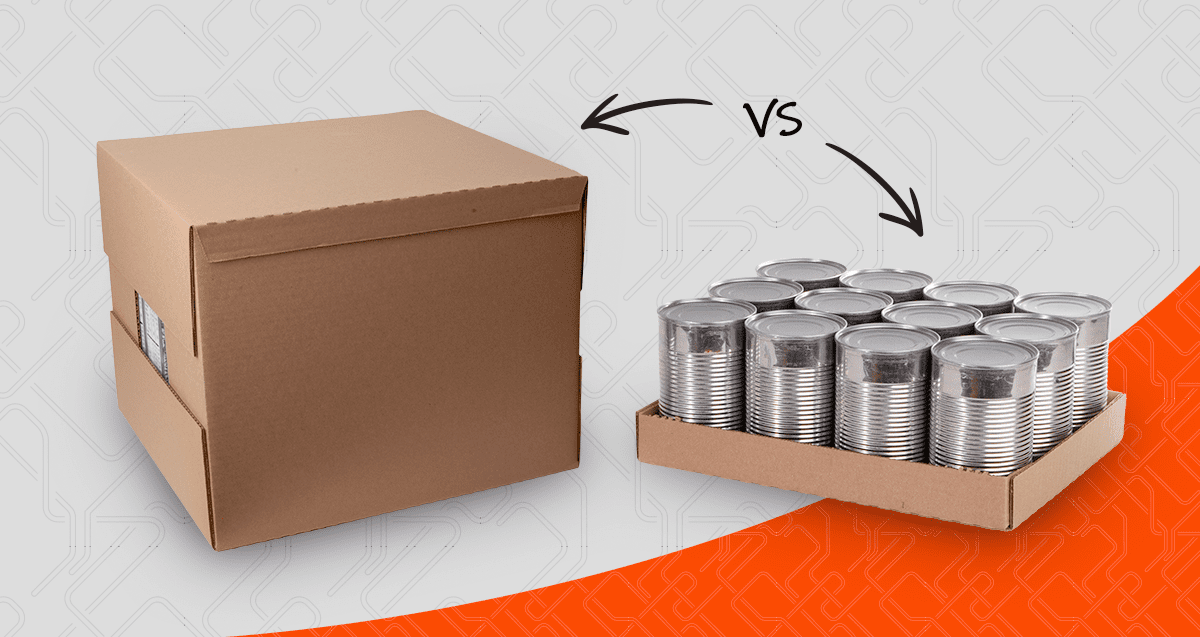
A case packer places your products into a fully enclosed corrugated box with six sides, sealed shut. A tray packer places them into an open-top container — typically a corrugated tray or pad — that leaves the product visible and accessible from above.
When Do You Use a Case Packer?
Cases are the right choice when:
Think canned goods, glass bottles, pouches, or anything that ships long distances through a multi-step distribution network.
When Do You Use a Tray Packer?
Trays make sense when:
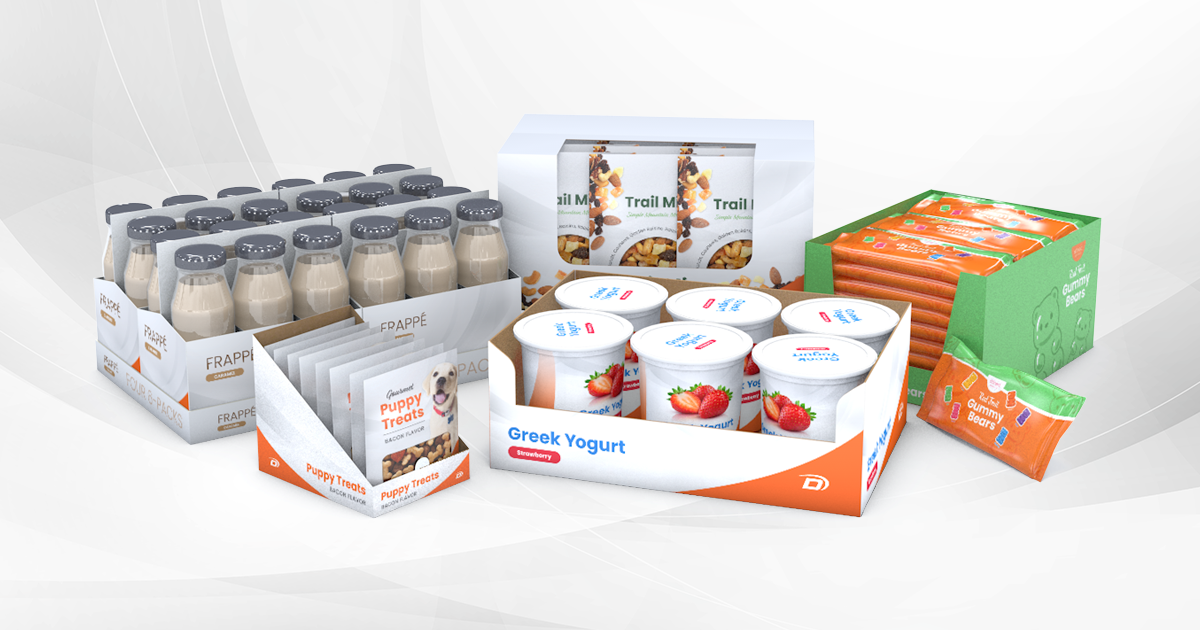
Think beverage multipacks, canned beverages in club packs, or produce items heading to a retailer who shelf-stocks straight from the tray.
What About Tray/Shrink Combinations?
Many lines run a tray packer paired with a shrink wrap tunnel, creating a shrink-wrapped tray. The tray provides a base and structure while the film holds everything together and adds tamper resistance. This is a very common format in beverages, dairy, and snacks.
Pro Tip
If your application is a shrink-wrapped bundle without a tray base, that’s a pure shrink wrapper — no tray involved.
Does Douglas Make Both?
Yes. Douglas offers both case packers and tray packers across multiple product families. They are engineered for CPG applications throughout beverage, dairy, snacks, personal care, household goods, frozen or prepared foods, and more. The right choice depends on your product, your packaging format, your line speed, and where the package goes after it leaves your facility.
Not sure which direction makes sense for your application? That’s exactly the kind of question our team is equipped to work through with you.
Looking for a case or tray packer?
Give us a call. Douglas product specialists can answer questions and help you discover which solution is the best fit for your application.