Introduction
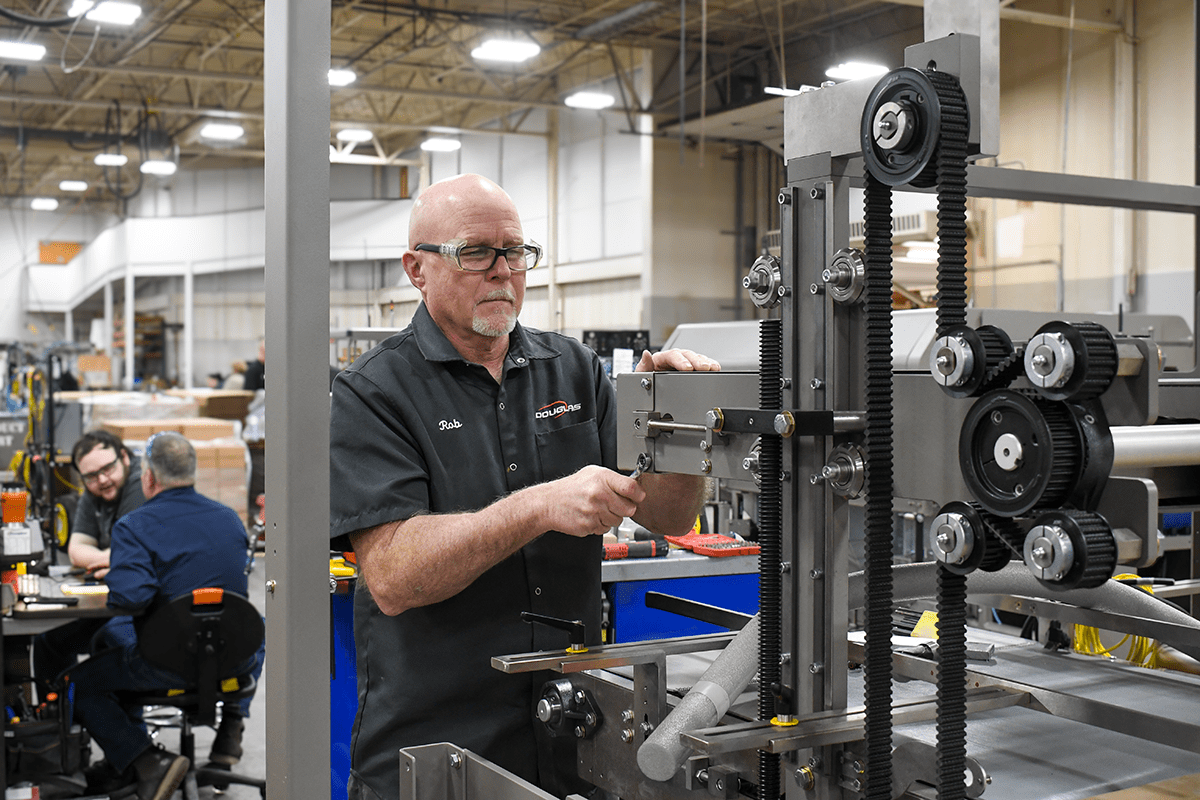
A Factory Acceptance Test — almost universally referred to as a FAT — is a formal evaluation of your packaging machine conducted at the OEM’s facility before the machine ships to your plant. It’s your opportunity to verify that what was built matches what was specified, and that the machine performs to agreed-upon standards before it leaves the manufacturer’s floor.
FATs are standard practice in capital equipment procurement, but the depth and rigor of what happens during one varies widely. Understanding what a good FAT looks like helps you protect your investment.
What Happens During a FAT?
A well-structured FAT typically includes:
-
Mechanical and electrical inspection against the original specification and drawings
-
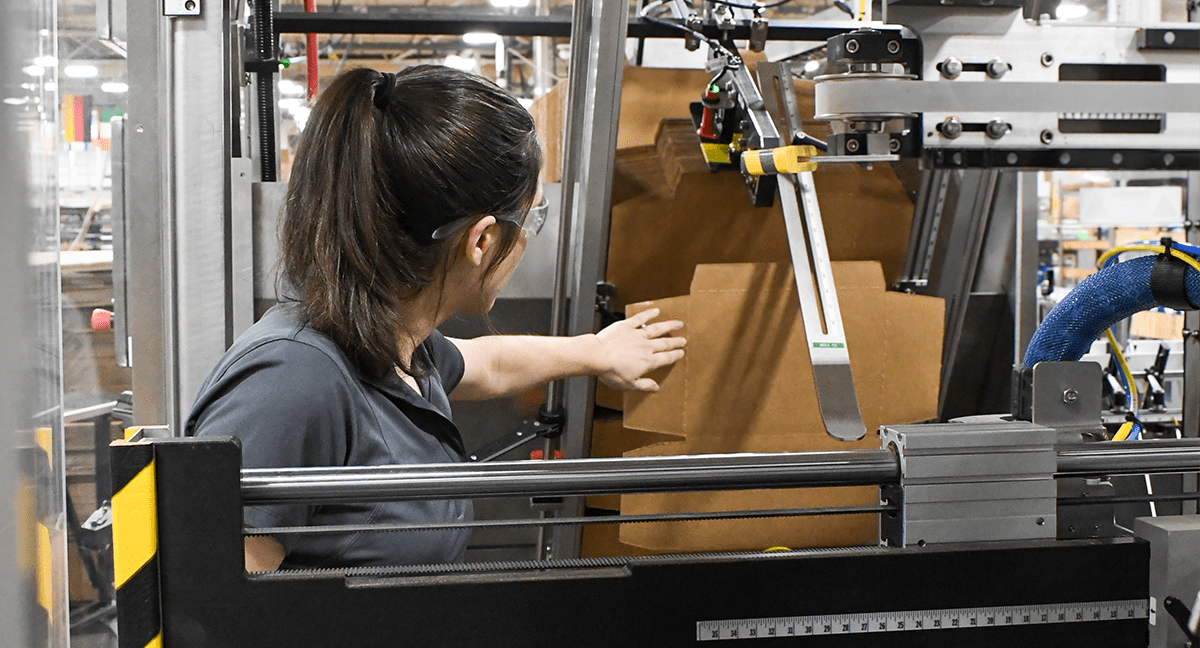
Run-off with production-representative materials (your actual product and packaging substrates if possible)
-
Performance verification against contracted speed and efficiency targets
-
Changeover demonstration for all contracted SKUs
-
Safety system verification (guards, E-stops, light curtains)
-
Review of documentation: manuals, spare parts lists, electrical schematics
Why Use Your Own Materials?
This is important. Running a FAT with the OEM’s generic materials or idealized test product is not the same as running it with yours. Packaging material variability such as stiffness, dimensional tolerance and coating can have a significant impact on machine performance, and the FAT is the right time to surface those issues (vs. after installation).
PRO TIP
If your OEM won’t run your materials during the FAT, it’s worth pushing back. The further you get from commissioning, the more expensive problems become.
FAT vs. SAT — What’s the Difference?
A Site Acceptance Test (SAT) is the equivalent evaluation conducted after the machine is installed at your facility. The FAT confirms the machine works in isolation; the SAT confirms it works in your line context, i.e., with your infeed, your downstream equipment, and your production environment. Both matter, and ideally both are contracted explicitly before you sign a purchase order.
What Should You Walk Away With?
At the conclusion of a FAT, you should have the following:
-
Signed-off documentation
-
A punch list of any open items and their resolution timelines
-
A clear, shared understanding of what “acceptance” means for your project
If any of that is ambiguous before the FAT begins, it’s worth clarifying upfront. The FAT is your opportunity to find potential issues before the machine hits your floor, so investing in this process now helps protect your investment in the future.
To take a deeper dive into FATs and learn how to evaluate the right FAT scope, check out this article: Factory Tested Sizes: Why Cheaper FAT Scope Often Costs More Later.
Need Help Understanding the FAT?
With 60+ years of industry experience, Douglas specialists are ready to answer questions so you can make more confident decisions with your automation.