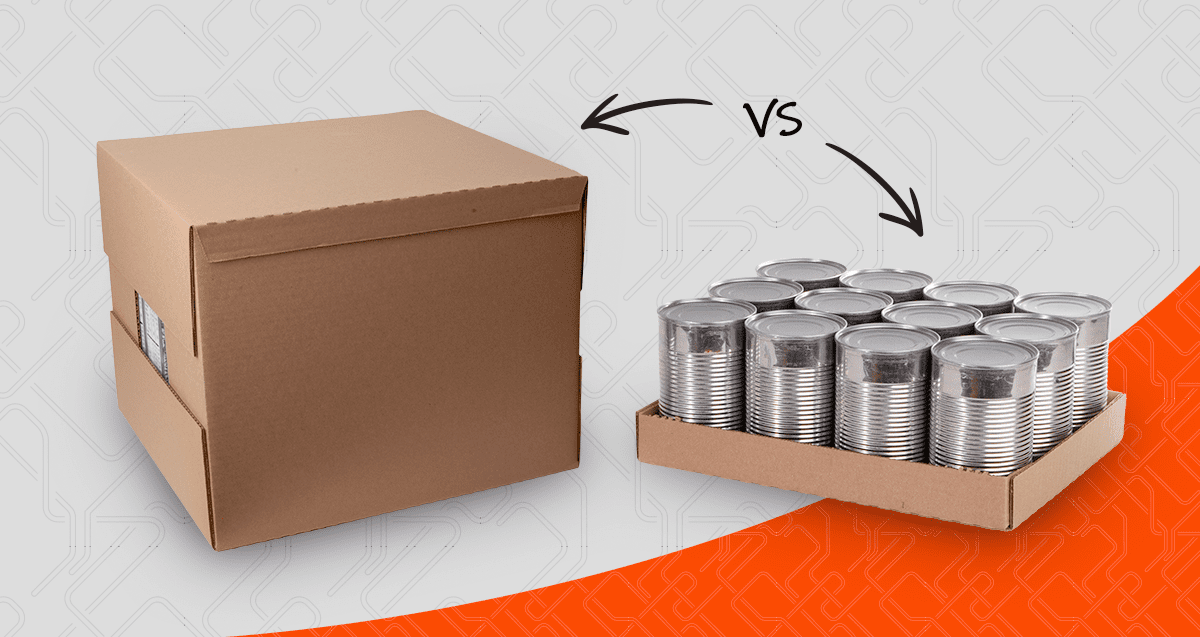
Introduction If you’re evaluating secondary packaging equipment for the first time, or are trying to get your specs straight before a conversation with an OEM, this is a question that comes up occasionally. And it’s a fair one. The terminology gets used loosely and sometimes interchangeably, which only adds confusion. Here’s a clean, no-jargon answer. … Read more
Post Type: Learning Center
Introduction When you’re comparing two packaging equipment bids, a lower Factory Acceptance Test line item can look like an easy win. The machine specs seem similar, the vendors both look capable, and output promises are close. Then one quote shows a much lower cost for Factory Acceptance Testing and fewer factory-tested sizes. On paper, it feels like savings. In practice, … Read more
Introduction If a new packaging line is technically ready but your team is not aligned on who decides, who escalates, and what “good” looks like, commissioning will go off the rails. That is the gap many CPG manufacturers run into. The FAT passed, the SAT looked fine, training happened, the OEM technician arrived… Then real production starts. Problems … Read more
Introduction If your packaging line suddenly starts experiencing jams, seal failures, or micro-stops, the first assumption is usually equipment reliability. But in many manufacturing environments, the real cause is something less visible: a mismatch between packaging materials and machine specifications. Small variations in corrugate, film, adhesives, or labels can disrupt high-speed equipment, even when those materials technically … Read more
Introduction Many packaging lines are technically automated but still require constant operator intervention. Jams, threading film, clearing misfeeds, adjusting guides, and resetting faults can happen dozens of times per shift. These small interactions often become the real ergonomic burden of the line. Often the issue isn’t a lack of automation. It’s mechanism-heavy automation: systems built … Read more