Introduction
Why do so many packaging automation projects go sideways—even with experienced teams and reputable OEMs involved?
What’s the actual cost of a missed layout detail, misinterpreted drawing, or misunderstood SKU requirement?
When you’re investing six or seven figures into packaging automation, poor communication doesn’t just slow you down—it can cost you everything from production uptime to project ROI.
At Douglas, we’ve supported thousands of Consumer Packaged Goods (CPG) plants through automation projects. The smoothest installations have one thing in common: early, clear, and complete communication between the buyer and OEM.
In this article, we’ll walk you through the six most common ways communication gaps derail automation projects—and exactly what to provide your OEM upfront to avoid delays, scope creep, or costly retrofits.
1. Be Transparent About Project Priorities and Constraints from the Start
Is speed your priority? Budget? Footprint? Retailer deadlines? These questions may seem obvious, but too often they go unspoken—and lead to misaligned proposals and costly revisions.
Here’s what your OEM needs to know upfront:
PRO TIP
The earlier you’re transparent, the faster the OEM can align their recommendations to your real-world requirements.
Nothing stalls an automation project faster than discovering the equipment doesn’t fit. Before an OEM drafts a quote, they need:
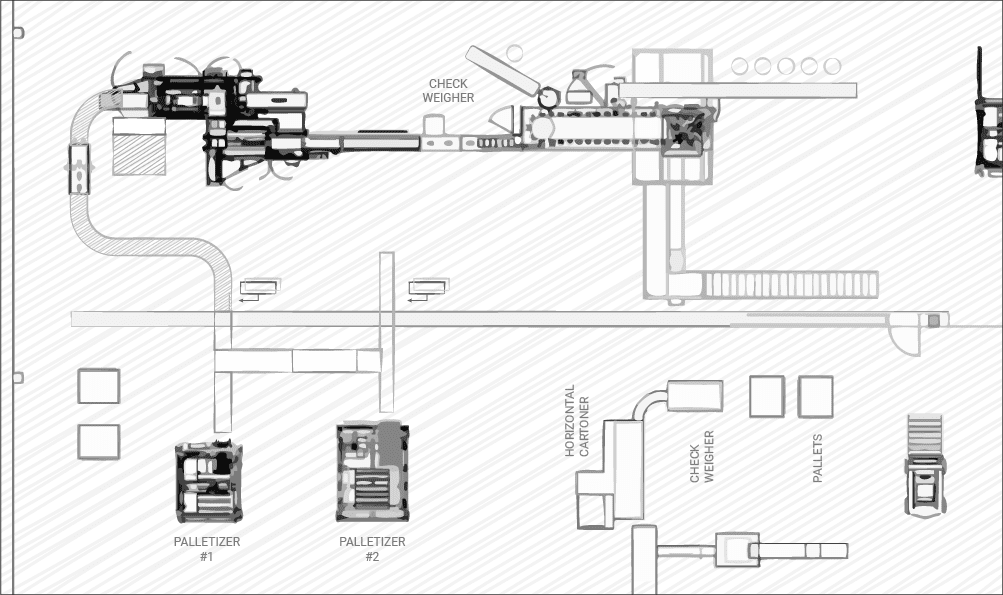
When OEMs understand your space constraints and flow, they can design for seamless fit and minimal rework.
3. Send Physical Product and Packaging Samples Early On
Spreadsheets and specs are helpful. Samples are essential. Sharing your product and packaging samples early in the process helps your OEM:
PRO TIP
Dimensional drawings are helpful—but not a substitute for real product.
4. Clarify Scope of Supply to Avoid Costly Surprises
One of the most common causes of change orders? Misunderstood scope. Align on these questions early:
A clear division of labor avoids scope creep and project delays during build or commissioning.
5. Define Product Orientation and Line Flow in Detail
Speed specs alone don’t tell the whole story. Orientation and handling matter just as much. Here’s what your OEM needs to know:
PRO TIP
To provide even more detail, let us know how often you change formats—and how automated those changeovers need to be.
6. Set Clear Acceptance Criteria for FAT and SAT
Vague testing expectations = failed tests, last-minute panic, frustration or all-of-the-above. Define these before your machine is even built:
Knowing your success criteria early means no surprises at your FAT or SAT.
Knowing your success criteria early means no surprises at your FAT or SAT.
Here’s what’s often misunderstood: thorough factory testing of SKUs isn’t just a technical detail — it’s a safeguard against costly surprises. A lot of OEMs minimize this to win on price, but that can leave you footing the bill later.
When SKUs are rigorously tested at the factory, it costs more upfront — and that’s exactly what protects you from delays, rework, and downtime later. You’re not paying more overall; you’re choosing when you want to pay: before the system ships or after it’s already on your floor.
SUMMARY
Why All This Matters
When communication is incomplete or vague, project risk skyrockets. You can expect:
But when your OEM has what they need up front, you get:
How Douglas Helps You Get It Right From Day One
We guide you through every step of pre-project planning to make sure your proposal reflects exactly what you need.
Step 1
Book a discovery call
Step 2
Co-develop your packaging plan
Step 3
Hit your production targets on time and on spec
At the end of the day, we’ve all seen projects stall or stumble due to missed details and miscommunication. Now that you know what to share—and when—you’re one step closer to a project that ships on time, installs smoothly, and performs as promised.
Douglas has helped thousands of teams just like yours align early and install with confidence.
Ready to de-risk your packaging project?
Let’s work together to make your next project the smoothest one yet.