Introduction
For most manufacturing and packaging operations, replacement parts aren’t just a line item—they’re a risk management strategy.
If a machine goes down, you’re not just scrambling for a part—you’re losing production, delaying shipments, and triggering a cascade of scheduling problems.
At Douglas, we help manufacturers and packaging operations navigate these high-stakes sourcing decisions every day.
In this article, we’ll break down the real-world pros, cons, and risks of sourcing parts from OEMs, distributors, or directly from component manufacturers—so you can protect uptime, not just reduce spend.
The Core Challenge: Cost vs. Certainty
Most parts decisions start under pressure:
These scenarios often push teams toward faster or lower-cost alternatives. In some cases, that works. In others, it leads to premature failures or parts that don’t perform as expected.
PRO TIP
If you save a little on the part but lose even a few hours of uptime, you’ve already lost that savings—and then some.
1. Sourcing from the OEM (Original Equipment Manufacturer)
Best For
Uptime-critical parts, fabricated components, engineered assemblies, or anything tightly integrated with your machine’s design or controls.
Strengths
Considerations
Reality Check
OEM parts often include unseen value—assembly, testing, configuration, and support. If you cut those corners, your team inherits the risk.
2. Buying from Distributors & Secondary Markets
Best For
Standard components with low integration risk and teams that have strong internal technical knowledge.
Strengths
Risks
Common Pitfall
That cross-referenced part may bolt up just fine—but if it’s made from different materials or programmed differently, it can fail faster or degrade performance.
3. Going Direct to the Component Manufacturer
Best For
Teams with deep engineering and controls knowledge who are comfortable integrating components without OEM guidance.
Strengths
Limitations
Key Question
Do you have the in-house resources to test, program, and validate a critical component without machine-level documentation?
Why In-House Fabrication Capability Matters
When parts like shafts, brackets, and custom assemblies fail, the biggest issue often isn’t sourcing—it’s fabricating. OEMs with internal fabrication can:
For you, this means faster recovery, fewer workarounds, and more reliable uptime.
Parts Strategy and Training Go Hand in Hand
The most successful operations don’t treat training and parts as separate topics.
They invest in:
These customers experience fewer emergencies, faster repairs, and lower total cost of ownership.
Untrained teams often struggle to identify parts, give vague descriptions, or delay orders—not because the part isn’t available, but because the request is incomplete.
Critical Spares: Where You Should Never Compromise
There are certain parts where guessing or delays simply aren’t an option:
These parts have known lifecycles and unpredictable failure points. If they’re not on your shelf, your machine is likely down.
OEM critical spare lists exist for a reason—they reflect real-world failures, not theoretical ones.
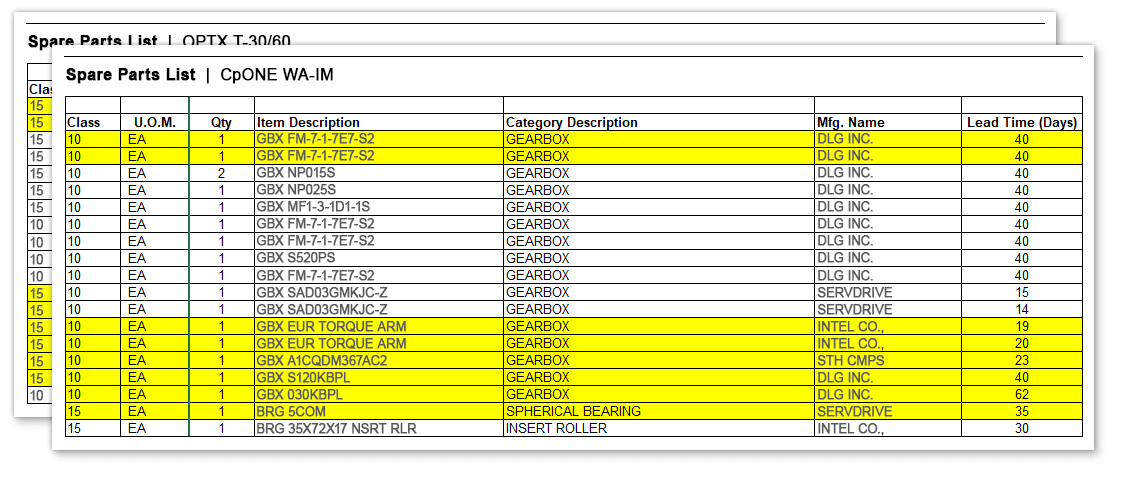
What to Provide to Get the Right Part, Fast
Here’s what speeds up the right response from your OEM or vendor:
Requests like “that little thing that spins” slow everything down. Precise information gets you back online faster.
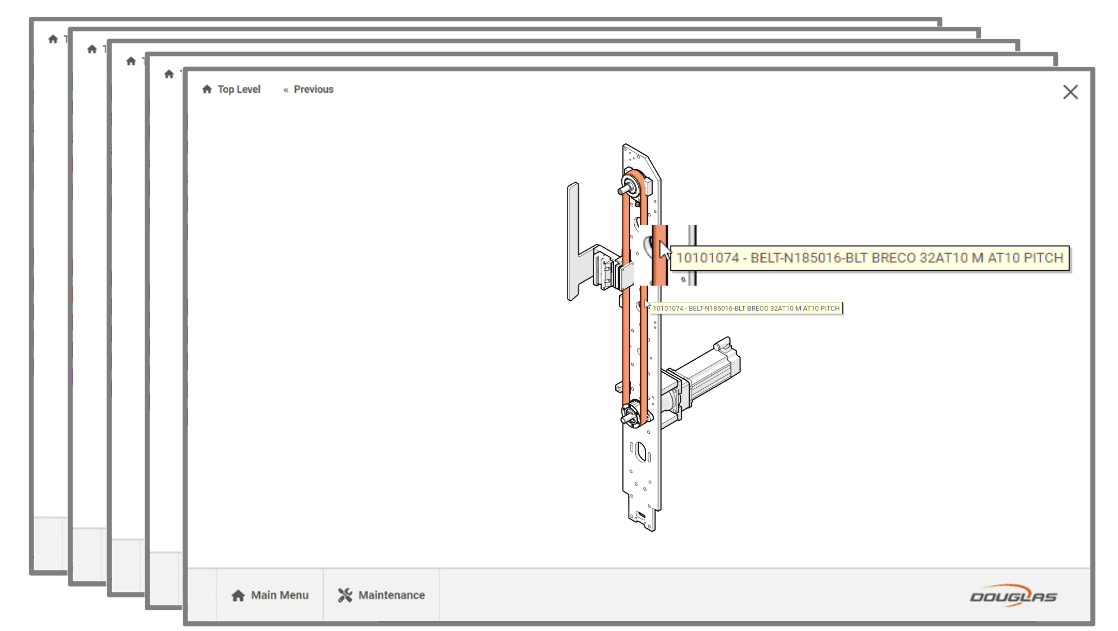
Beyond just sending parts, OEMs provide strategic value no other partner can:
As technology evolves and parts become more integrated with software and automation platforms, this visibility becomes critical—not optional.
Final Thought: Optimize for Uptime, Not Just Cost
You came here trying to understand how to make smarter, lower-risk replacement parts decisions. We’ve walked through the benefits and trade-offs of OEM sourcing, distributor networks, and manufacturer-direct approaches.
Now it’s time to apply this knowledge: consider where you need certainty, where you can manage cost, and what you can afford to risk.
For most operations, the smartest model is a hybrid:
If you want expert insight on identifying your critical spares or avoiding downtime surprises, we’re here to help.