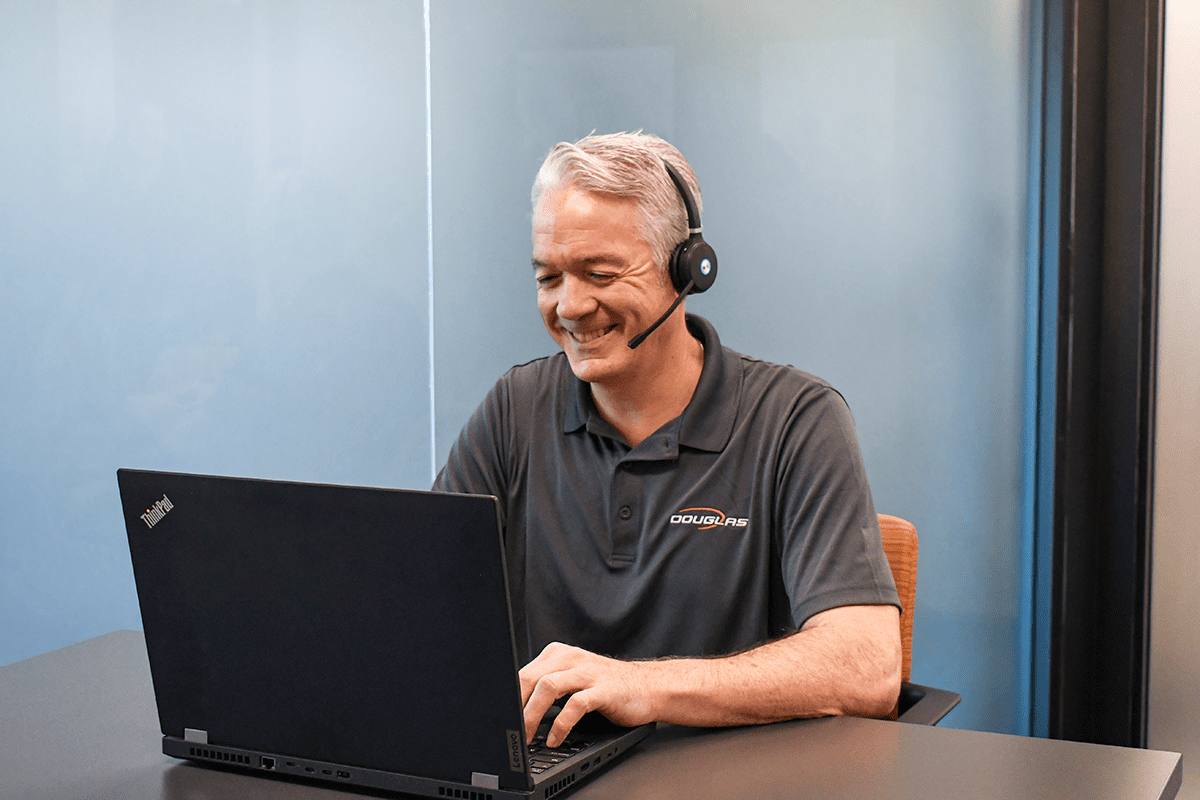
Understand the difference between remote monitoring and remote service and how these things affect how you budget, manage security, and partner with your OEM.
 Mercy Berglund
Understand the difference between remote monitoring and remote service and how these things affect how you budget, manage security, and partner with your OEM.
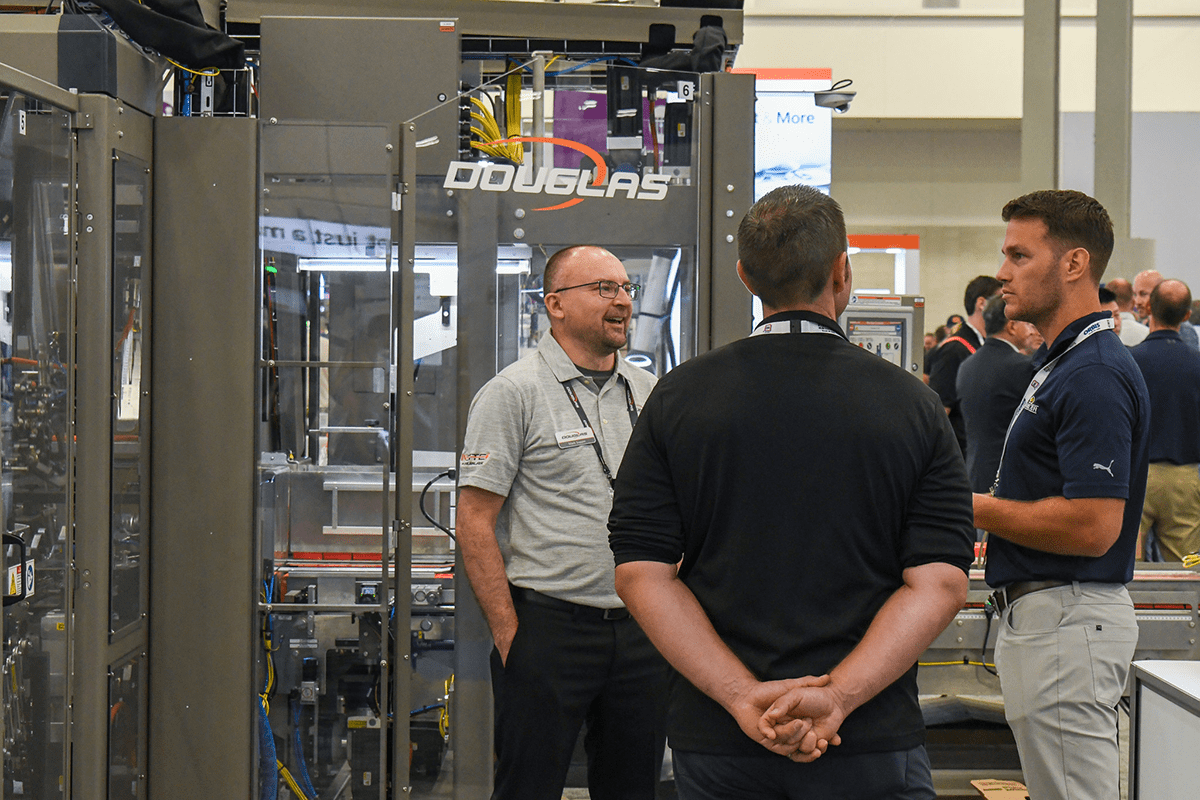
OEM vs. System Integrator: One company builds the machines. The other ties the line together. Here’s how to tell which is right for your project — and why “both” is often the real answer.
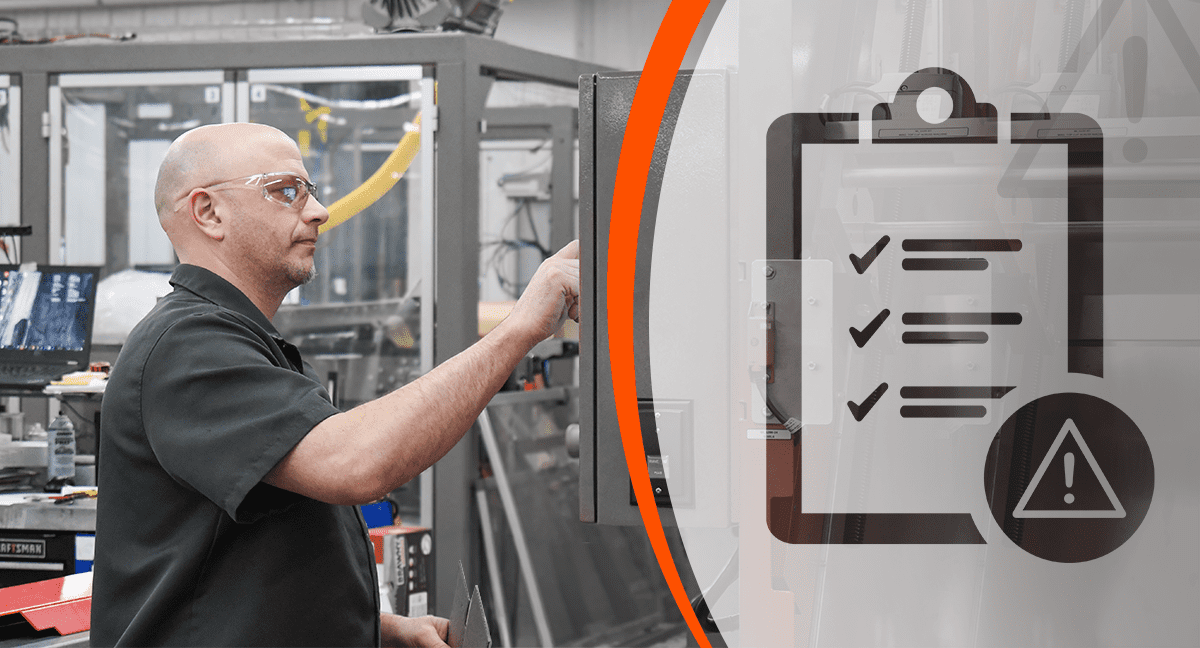
A machine risk assessment is a multi-stage process where OEMs, integrators, and end users each assess different hazards. Understanding who is responsible for what, prevents safety gaps.
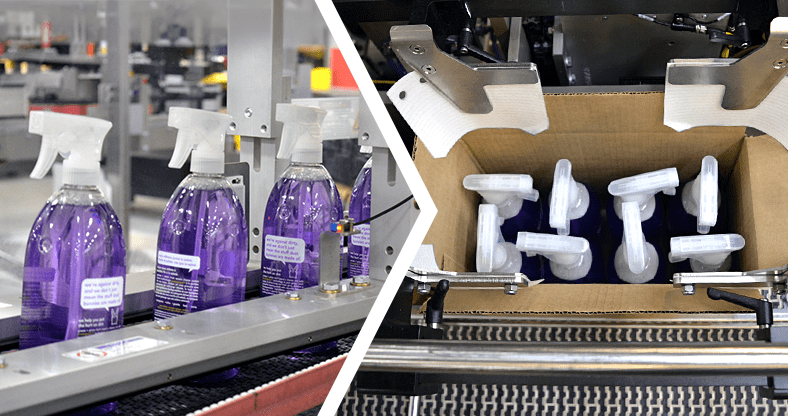
Understand what product orientation is, how it impacts your equipment, and what decisions need to be considered when choosing your packaging equipment.
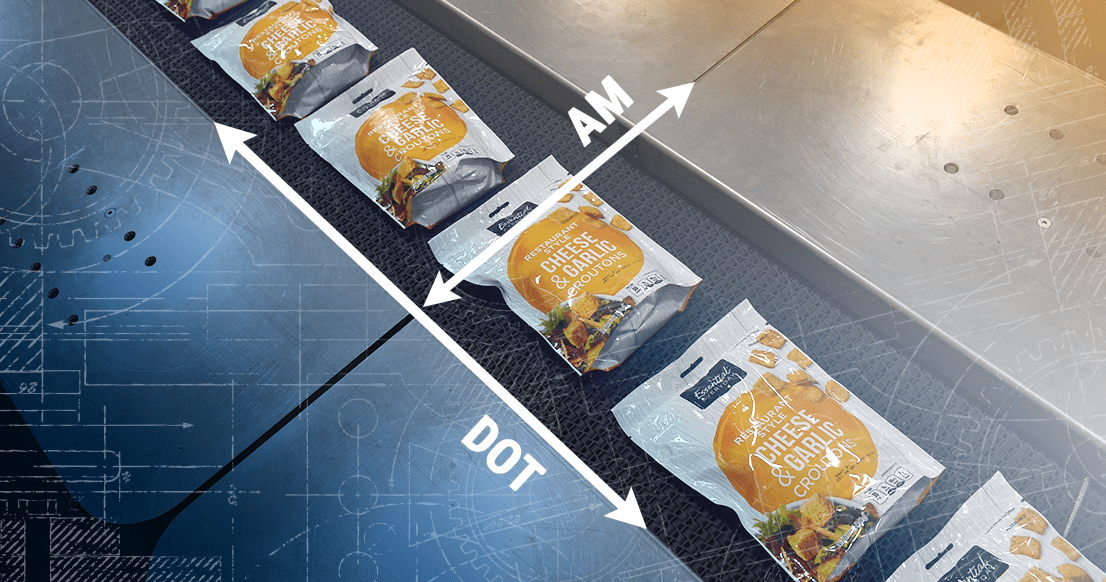
Learn the definitions of DOT and AM, how they affect your product and equipment, and what questions to ask before you spec a new machine.
© 2026 Copyright Douglas Machine Inc.