Introduction
At a Glance
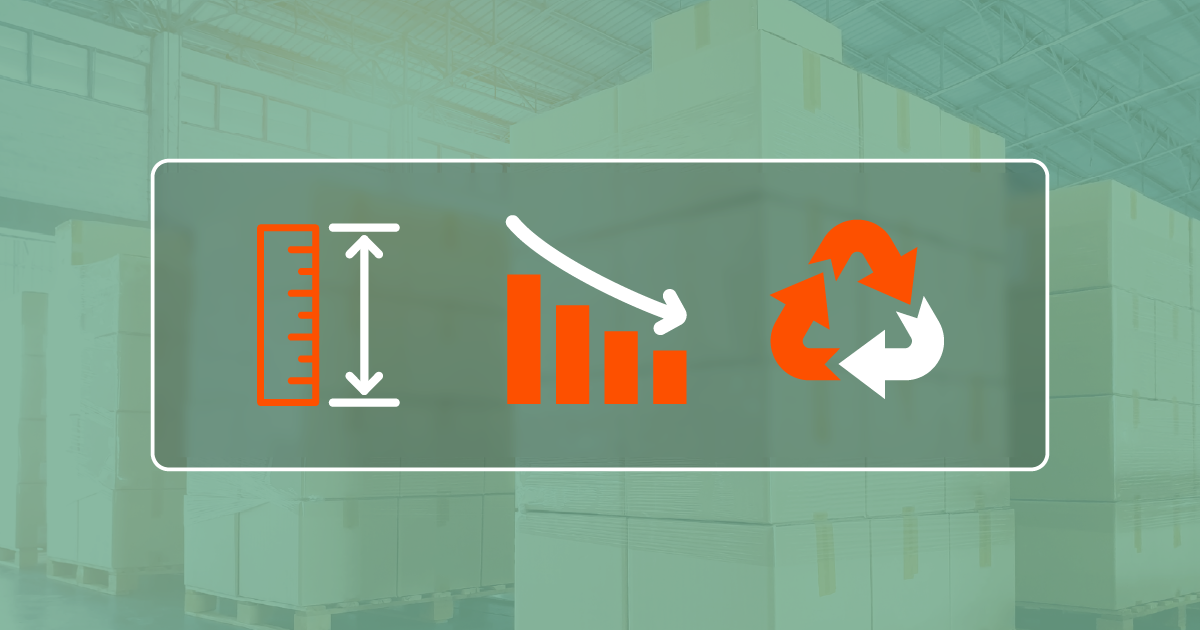
Secondary packaging is increasingly moving toward sustainable methods and means. This is due to a combination of external factors like material and waste costs and retailer requirements. There are three general drivers in making the switch to more sustainable secondary packaging methods:
- Right-Sizing – fitting packaging closer to actual product size
- Material Reduction – eliminating excess strength and gauge in packaging materials
- Recyclable and Fiber Formats – changing to materials that have a cleaner footprint for easier recyclability
All of these must be accomplished while still meeting the product’s protective requirements. If needs are not met, cost and carbon footprint increase through damaged product, remaking and reshipping, and carbon emissions in additional transit. The goal is the lightest, most recyclable pack that still protects.
As the world shifts to more sustainable production, shipping and packaging are shifting too. In secondary packaging, the shift is being pushed by three simultaneous forces:
- Material as a recurring expense
- Regulators pricing packaging waste through measures like Extended Producer Responsibility (EPR)*
- Retailers increasingly requiring sustainable means
For your line, sustainability is primarily an engineering and cost question. But the good news is the moves that reduce carbon footprint, tend to reduce cost too. However, it’s important to note any moves to sustainability should be done while staying inside the product’s real protective needs.
In this article, we’ll cover:
- The three key drivers of more sustainable secondary packaging
- How sustainable approaches can reduce material, cost, and environmental impact
- The trade-offs to consider, and how your line is affected
- When a sustainability initiative is the wrong move
*Note: EPR is legislation that puts responsibility on producers for their products’ end-of-life. This is usually done through financial and operational means. There are currently 7 U.S. states that enforce EPR, but its implementation is growing.
For more information on EPR, we suggest looking at the Sustainable Packaging Coalition’s Guide for EPR Proposals.
1. Right-Sizing
Right-sizing does exactly what its name suggests: it fits the case, tray, or carton as close to the product as is reasonable. The idea is that per package, there’s a greater percentage spent on product, and a lesser percentage spent on excess air.
Cutting oversized secondary packaging pays back in two ways:
- Reducing wasted material per unit
- Reducing wasted cube per truck
Because of these two things, it’s the approach that often pays back the fastest. Tighter dimensions mean less corrugate, and more product – per pallet and per trailer. Freight is often priced by space, so the right-sized load lowers both material spend and shipping cost.
What’s the downside? Tighter packaging demands more consistent product presentation and forming. There’s less slack to absorb product variations. So, right-sizing for sustainability rewards the line that places and forms precisely.
2. Material Reduction
If right-sizing is fitting the packaging as closely as is reasonable, material reduction is using the lightest material as is reasonable. We still want to protect and support the product we’re packaging, but we want thinner material, with better hold, and less adhesive.
Corrugate and stretch wrap are two materials commonly over-specified:
- Corrugate: The material tends to come with more Edge Crush Test (ECT) strength than needed.
- Stretch Wrap: It’s usually specified by gauge (thickness), rather than holding force, which is what actually determines how tightly a pallet is held.
Both corrugate and stretch wrap present opportunities to remove material while still adequately getting the job done.
What’s the downside? Material reduction has a floor: the protection the product actually needs. Saving money and footprint is only real above that floor. Thinner corrugate and film are less forgiving of rough handling and inconsistent forming, and it’s hard to predict how product will act before actually testing it with the material in transit.
3. Recyclable and Fiber-Based Formats
Recyclable and fiber-based formats refer to the materials’ end-of-life – what happens after the product has been shipped and removed from its packaging. Sustainability in this lever looks like choosing formats that recycle cleanly.
This could be moving from mixed or multi-material to mono-material packs, or replacing plastic components with fiber. These materials are easier for consumers and municipalities to recycle, and as expectations tighten, they more safely align within retailer and regulatory requirements.
Note: Douglas’ NEXClip™ solution addresses one of these regulations: removing plastic rings. This primarily affects operations with bottled and canned goods, but it’s an example of changing formats. Douglas’ solution replaces plastic rings with paperboard rings, using NEXClip as the machinery for application.
A shift in packaging tends to be more noticeable to consumers, which provides a boost to your brand image.
What’s the downside? Changing packaging has the greatest impact on your actual line: new formats usually mean new tooling and different machine behavior. Fiber substitutes have to be validated for adequate protection and meet the same speeds as plastic. It’s not just a material swap; it’s an engineering project.
Find the Protective Balance
All three drivers share one key discipline: they reduce excess, while staying inside protective qualifications. They require a balance:
- Push right-sizing too tight and the pack can’t fit variations
- Down-gauge past the load’s strength needs, and the cases crush
- Substitute a material that runs slower or protects less, and your line and product suffer
To do sustainable packaging well, you have to meet the needs of your actual load, journey, and line. You have to fit within what’s safe for your operation, rather than follow what competitors are doing, or what’s new on the market.
Cutting material costs, only for the packaging to not withstand transit, is not actually saving. What you pay for damaged product, customer returns, and carbon in remaking and reshipping, generally outweighs what you saved on corrugate or film in the first place.
When Switching to More Sustainable Means Isn’t the Right Move
Making the move to sustainability is meant to be a smarter move for brands, customers, and ultimately the environment. But it requires intentional and deliberate decision-making. Not every sustainability change is a net gain – and being honest with your operation protects product and footprint.
Making the wrong sustainability moves are worse for cost and environment than what you saved upfront. Every damaged unit reflects poorly on your company and has to be remade and reshipped. The carbon footprint of failures can actually exceed the footprint of the original material.
Make the change where the packaging still protects, and the line still meets performance. The sustainable choice and the protective choice tend to agree, and when they don’t, protection wins until design closes the gap.
Optimize for the Reality of Your Load
Right-size the pack, reduce the material, and move toward cleaner formats – but do so while still meeting protective needs. That’s how you do sustainable secondary packaging right. Start with what your load actually looks like, then find the lightest and most recyclable pack that still protects. That’s the balance between footprint and cost – and it’s the only version of sustainable packaging that makes the difference that lasts.
Interested in Sustainability Options?
Schedule a discovery call. Douglas specialists can walk through solutions that support your sustainability goals and your performance goals.